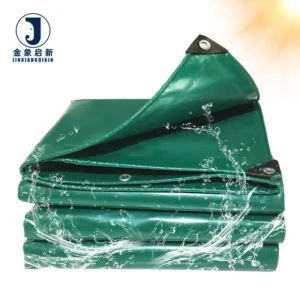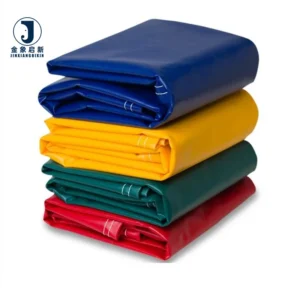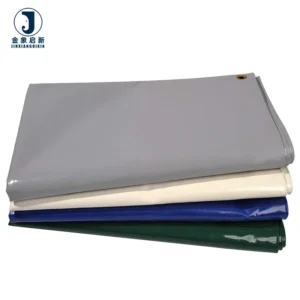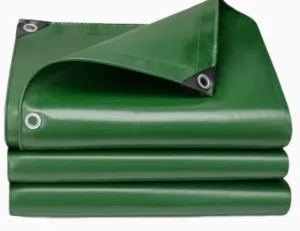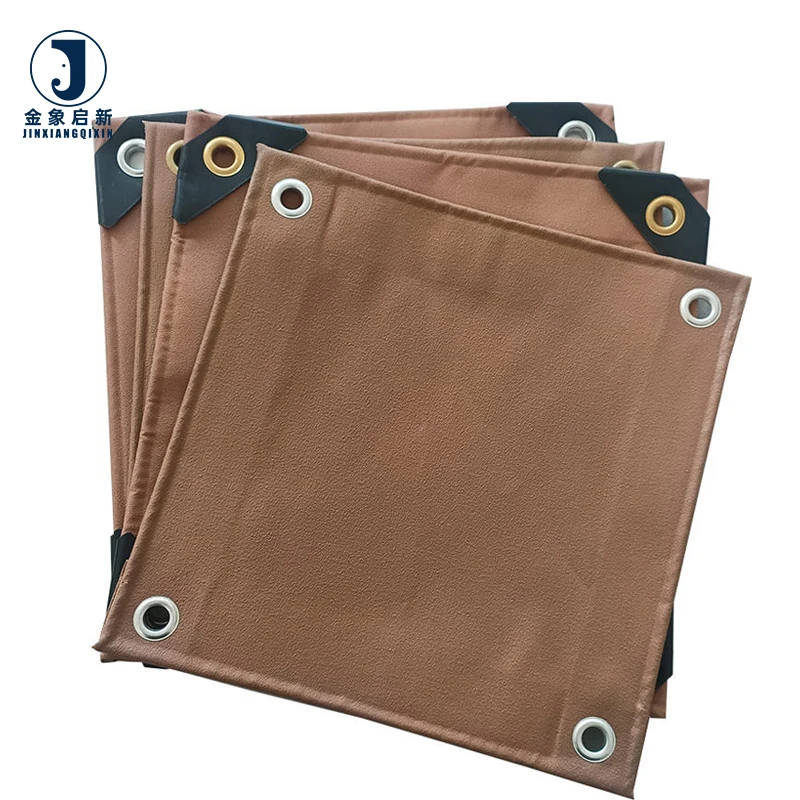
Precision fit for your fleet — covers cut to your exact trailer model dimensions eliminate the flapping and seam stress that generic-size tarps cause under highway wind.
Technical Specifications
| Parameter | Value |
|---|---|
| Product Type | PVC Coated Tarpaulin |
| Base Fabric | High-tenacity polyester canvas |
| Weight Options | 500gsm / 600gsm / 700gsm / 850gsm / 900gsm |
| Coating Material | PVC |
| Surface Finish | Glossy or matte finish configurable |
| Waterproof | Yes, fully coated construction |
| Weather Resistance | Suited to extended outdoor exposure |
| Treatment Options | Flame retardant, anti-static, anti-cold, anti-mildew available (confirm grade required for your market) |
| Key Features | Waterproof, mildew resistant, cold resistant |
Application Suitability
| Application | Exposure & Requirement |
|---|---|
| Truck cargo cover — open-deck trailer | Highway wind load, UV exposure, tie-down abrasion at edges |
| Flatbed load protection | Direct weather contact, puncture from shifting cargo, tension at anchor points |
| Trailer side curtain replacement | Constant flexing at folds, road grime, repeated roll-up stress |
| Transport equipment top cover | Standing water, thermal cycling, installation tension over frame bows |
Why Generic Dimensions Fail Where Model-Specific Sizing Succeeds
A PVC Coated Tarpaulin for Truck Cargo Cover cut to standard dimensions will shift under load, abrade against tie-down hardware, and concentrate stress at welded seams — problems that disappear when the cover matches the trailer’s actual profile.
A cover that fits the trailer exactly transfers tension evenly across the entire hem instead of pulling at isolated stress points.
Fleet operators replacing worn covers on mixed-model fleets often start with a generic size that is close enough. The two or three inches of excess material flaps in crosswind, wearing through the coating at the eyelet line within a season. Model-specific cutting with hem reinforcement placed where the tie-down straps actually sit removes that failure mode entirely [NEED_CITE: stress concentration at generic tarpaulin edges under dynamic highway load].
Covering a Moving Load Without Premature Wear
Truck and trailer cargo protection demands fabric that survives both the static tension of installation and the dynamic vibration of road travel. The polyester base fabric carries the structural load while the PVC coating seals against water ingress and protects the yarn from abrasion. A PVC Coated Tarpaulin for Truck Cargo Cover in the 500gsm to 900gsm range gives fleet operators a weight selection that matches their route conditions — lighter grades for enclosed or short-haul runs, heavier grades for open-deck long-haul routes where wind load and debris impact are constant.
Where Treatment Selection Meets Route Compliance
Flame retardant and anti-static treatments are available for operators carrying hazardous cargo or working in regulated environments such as fuel transport and chemical logistics. Anti-cold treatment keeps the fabric pliable in freezing conditions, preventing the stiffness that leads to cracking when the cover is folded or tensioned over sharp cargo edges. Anti-mildew treatment addresses humid-route operations where moisture trapped under the cover promotes biological growth on untreated surfaces [NEED_CITE: flame retardant classification standards for transport textiles in different markets].
How GSM, Base Weave and Coating Weight Interact in Service
The stated GSM of a PVC coated fabric represents the combined weight of base fabric and coating layers — it is not a standalone indicator of strength. A 600gsm fabric with a dense polyester weave and lighter coating may outperform a 600gsm fabric with a loose weave and heavy coating fill, because tensile and tear resistance depend primarily on the yarn denier and weave density of the base cloth. The coating weight influences waterproofing, weld seam integrity and surface abrasion resistance. When specifying PVC Coated Tarpaulin for Truck Cargo Cover, the balance between base fabric strength and coating thickness determines how the material behaves under the sustained tension of a loaded trailer.
What Happens When the Wrong Grade Goes on the Truck
Selecting a lighter GSM than the route demands leads to coating wear-through at flex points within months rather than seasons. Covers that lack the cold-treatment additive stiffen and crack in winter conditions, with failures starting at fold lines and spreading along the weft. Flame retardant claims without a supporting test report leave the operator exposed at compliance inspections, particularly at fuel terminals and port facilities where documentation is checked before the vehicle enters [NEED_CITE: coating adhesion failure modes in PVC tarpaulin under thermal cycling].
Why Fleet Operators Source This PVC Coated Tarpaulin for Truck Cargo Cover Here
Three full production lines with dedicated coating equipment support consistent output across repeat orders, so replacement covers ordered months apart match the original batch in weight and finish. A 10-person R&D team develops model-specific cutting patterns and treatment formulations rather than offering only catalogue grades. In-process quality checks at each production stage catch coating weight variation before it reaches the cutting table. Pre-shipment inspection covers every cover with a photographic record, giving fleet managers visibility before the shipment leaves the factory [NEED_CITE: ISO 1421 tensile and tear test methods for coated fabrics]. Samples for custom sizing and treatment combinations are developed within days so operators can verify fit on the actual trailer before committing to a fleet-wide order.
Documentation & Verification
- GSM verification record per roll confirming quoted weight matches delivered fabric
- Flame retardant and anti-static test reports where treatment is specified
- Pre-shipment inspection record with photographic evidence of each cover
- Material specification sheet stating base fabric, coating weight and treatment details
- Certificate of origin and customs documentation for cross-border shipment
Fabrication, Handling & Storage
- Weld seams on 500gsm and 600gsm grades require matched temperature settings to avoid coating burn-through at the joint line
- Eyelet placement must account for the PVC coating thickness to prevent pull-through under tie-down tension
- Store rolls upright on pallets to prevent flat spots that show as creases when the cover is tensioned over cargo
- Cold-weather installation of anti-cold treated grades remains flexible but still requires gradual unfolding to avoid coating stress
- Clean with mild detergent only — solvent-based cleaners can degrade the PVC coating surface on glossy finishes
- Field repairs on minor tears use PVC-compatible adhesive patches applied to clean, dry coating surfaces
Specifying Your Truck Cover Order
To receive an accurate recommendation and sample, provide the trailer manufacturer and model number along with the cargo type you typically carry. Include the operating temperature range and whether your route or destination facility requires documented flame retardant or anti-static certification. Indicate whether you need finished covers with eyelets and reinforced hems or roll stock for your own fabrication.
Frequently Asked Questions
Q: How do I specify the right size for my trailer model?
A: Provide the trailer manufacturer, model number and any aftermarket modifications to the frame or headboard. We build the cutting pattern from those dimensions rather than a generic size chart, ensuring the hem line sits at the correct tie-down position and the cover tensions evenly without excess material flapping in crosswind.
Q: What GSM weight is suitable for long-haul highway use?
A: Long-haul routes with open-deck trailers typically require the heavier end of the range to withstand sustained wind load and road debris. The specific grade depends on your cargo type, tie-down method and seasonal temperature range — we recommend confirming the weight selection against your actual route conditions before placing a fleet order.
Q: Can I get test reports for flame retardant or anti-static treatments?
A: Test reports are supplied with the shipment when flame retardant or anti-static treatment is specified on the order. Confirm the standard your destination facility or market requires — different jurisdictions reference different classification systems, and the correct grade must be selected before production begins.
Q: How are seams reinforced at high-flex areas?
A: Welded seams at fold lines and tie-down anchor points receive additional reinforcement matched to the fabric GSM. The weld temperature and pressure are calibrated to the coating weight so the joint achieves strength comparable to the parent fabric rather than becoming the first failure point under load.
Q: What is the expected outdoor service life of these truck covers?
A: The covers are formulated for extended outdoor exposure with UV-stabilised PVC coating. Actual service life depends on route conditions, sun exposure hours, cargo type and maintenance practices — fleet operators running year-round long-haul routes should plan inspection intervals based on their own historical replacement cycles rather than a fixed timeline.