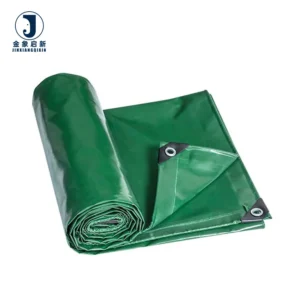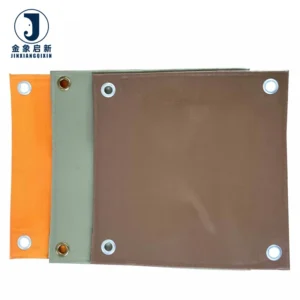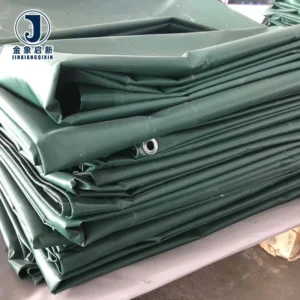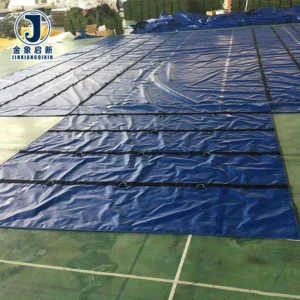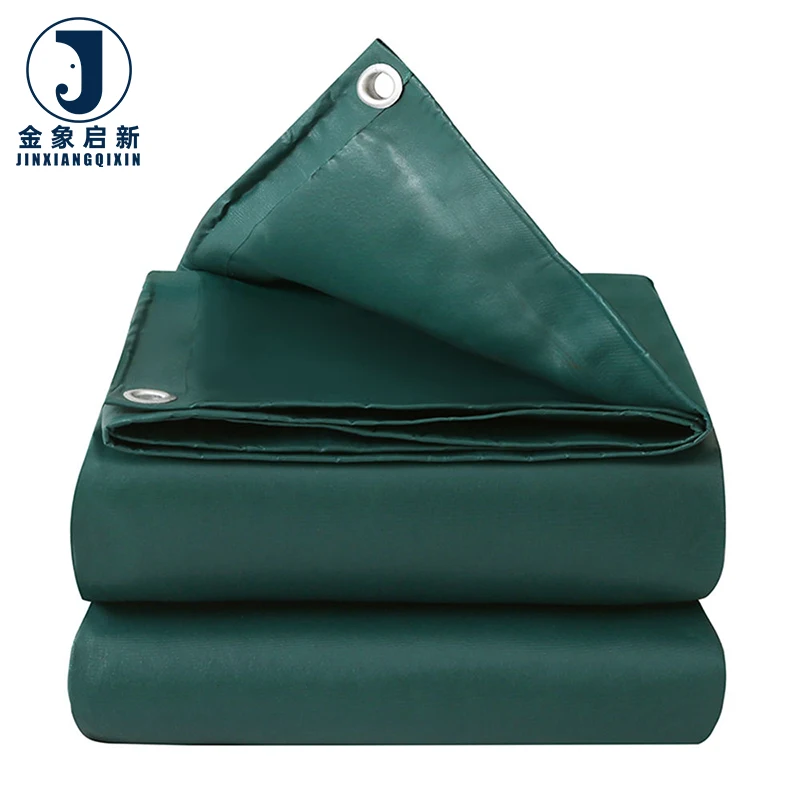
Hot-melt coating precision — every roll of PVC coated tarpaulin for truck and transport passes through a three-line production setup with in-process adhesion checks before winding.
Technical Specifications
| Parameter | Value |
|---|---|
| Product Type | PVC Coated Tarpaulin |
| Material | PVC + High-strength polyester mesh fabric |
| Coating Method | Laminated technology & Hot-melt Coating technology |
| Weight (GSM) | 350gsm / 420gsm / 500gsm / 550gsm / 600gsm / 750gsm |
| Total Thickness | 0.32mm / 0.35mm / 0.4mm / 0.45mm / 0.5mm / 0.65mm |
| Roll Width | 2m / 2.1m |
| Roll Length | 75m (2m width) / 50m (2.1m width) |
| Color | Blue / Red / Yellow / Light blue / Grey (custom colors available) |
| Key Features | Waterproof, anti-mildew, cold crack resistance, sunproof, high color fastness |
| Special Treatments | Flame retardant, anti-static, anti-cold, 3P — confirm the grade required for your market |
Application Suitability
| Application | Exposure & Requirement |
|---|---|
| Truck and trailer side curtains | Constant flexing at load shift points, road abrasion, UV and rain exposure |
| Flatbed load covers | Tie-down strap pressure, wind flap fatigue, puncture risk from cargo edges |
| Curtain-sider transport enclosures | Repeated roll-up and tension cycles, weld seam stress at flex zones |
| Truck awning and canopy fabric | Sun exposure, thermal cycling, mildew risk during humid storage |
| Temporary industrial tarp covers | Equipment shielding during transport, dust and moisture ingress prevention |
Why Generic-Size Truck Covers Fail on the Road
A truck cover that doesn’t match the trailer model creates gaps where water enters and wind tears the fabric loose.
Fleet operators routinely receive PVC coated tarpaulin for truck and transport cut to a standard dimension that doesn’t account for the specific trailer’s rail profile, corner radius, or tie-down layout. The result is fabric that bunches at the corners, flaps at highway speed, and wears through at the rub points within months. [NEED_CITE: field reports on premature tarpaulin wear at non-fitted edges]. The PVC coated tarpaulin we supply is specified to your trailer’s exact measurements so the hemline sits flush against the body and the eyelet positions align with your existing strap hardware.
Model-Specific Cut and Reinforced Tie-Down Zones
Every transport operation uses a different combination of trailer body, load-securing system, and route exposure. We work from the vehicle model drawing or physical measurement to cut the PVC coated tarpaulin to the exact panel dimensions needed. Reinforcement patches are applied at high-abrasion zones — the corners where the cover wraps the frame, the areas where ratchet straps press through, and the bottom hem that contacts the chassis rail. This approach eliminates the gap-and-flap problem that generic covers create at speed.
Welded Seams That Hold Under Load Flex
When a loaded trailer flexes over uneven road surfaces, the seams on the cover absorb repeated stress. Our hot-melt coating technology produces a bond between the PVC layer and the polyester mesh that resists delamination under this cyclic loading. The tearing strength at the weld line is critical — if the seam fails before the fabric itself, the cover splits open at the worst possible moment. [NEED_CITE: tensile and tear test methods for coated fabrics per ISO 1421]. We specify weld parameters matched to the GSM grade selected, ensuring the seam performs in line with the base material.
Reading the Spec Sheet Beyond GSM
The weight in grams per square metre tells you how much material is in the fabric, but it does not tell the full story about how the cover will perform on a truck. Base fabric denier and weave density determine the tensile load the mesh can carry before stretching. Coating method — laminated versus hot-melt — controls how well the PVC adheres to the yarns and how the weld line behaves under heat. A 550gsm fabric with a tight weave and hot-melt coating will often outperform a heavier fabric with a loose weave and laminated coat when it comes to seam integrity at flex points. Thickness correlates with puncture resistance but adds weight to every panel the driver has to handle. Selecting the right combination means matching the grade to the specific route conditions and load type your fleet encounters.
The Hidden Cost of Getting the Specification Wrong
When a PVC coated tarpaulin for truck and transport arrives with a GSM lighter than quoted, the cover may look right on day one but will thin out and crack along fold lines far sooner than expected. Colour variation between rolls becomes visible the moment two panels are installed side by side on the same trailer — a problem that only surfaces after fitting. Welded seams that were not matched to the fabric grade will peel apart at the point the load flexes most, leaving cargo exposed mid-route. [NEED_CITE: batch consistency standards for coated fabric colour matching]. These failures are avoidable with pre-production sample approval and in-process weight verification, which is where our QA protocol starts before the first roll ships.
Why Operators Source PVC Coated Tarpaulin Here
Our three full production lines and 36 sets of professional equipment give us the capacity to run custom-width and custom-colour truck cover orders without the extended waits that smaller operations face. The 10-person R&D team develops sample panels matched to your trailer model within days, not weeks, so you can verify fit and finish before committing to a full production run. Every roll undergoes dedicated QA/QC at each production stage, with 100% inspection before dispatch — no batch leaves without the GSM being verified against the quotation weight. Hot-melt and laminated coating processes are both available on-site, so we can match the coating method to your seam welding technique and exposure conditions. ISO and CE certification underpins the documentation package that accompanies each shipment, supporting compliance on regulated transport routes.
Documentation & Verification
- Material specification sheet confirming GSM, base fabric denier, and coating method per roll
- Pre-shipment inspection record with verified weight matching the quoted grade
- Colour reference sample retained against the production batch for traceability
- Roll packing list with batch identification for lot-to-lot tracking
- Test report for flame retardant or anti-static treatment where the grade is specified
- Certificate of origin and customs documentation for cross-border shipment
Fabrication, Handling & Storage
- Set hot-air welder temperature to match the GSM grade — higher gsm needs longer dwell time at the seam
- Reinforce eyelet zones with an extra PVC patch layer to distribute tie-down strap load across the mesh
- Store rolls upright on pallets to prevent flat-spot creases that become visible after unrolling
- Allow cold-stored rolls to reach ambient temperature before unrolling to avoid coating micro-cracking
- Use mild detergent only for cleaning — solvent-based cleaners attack the PVC surface plasticiser
- Plan panel layout to minimise cross-welds and keep seams away from the highest flex zones
What We Need to Quote Your Truck Cover Project
To size the PVC coated tarpaulin for truck and transport correctly, share the trailer model or the exact panel dimensions including any cutouts for lights and latches. Let us know which tie-down system you use so we can position eyelets or D-ring patches accordingly. Confirm whether your routes require a flame retardant or anti-static grade and which standard applies in your market. If colour matching across an existing fleet is needed, provide a reference sample so we can develop a production match before the main order runs.
Frequently Asked Questions
Q: How is the tarpaulin cut to fit specific truck and trailer models?
A: We work from the vehicle model drawing or physical measurements you provide to create a cutting template for each panel. Reinforcement patches are added at high-wear zones such as corners and strap contact points. A sample panel is produced for fit verification before the full batch runs, ensuring the PVC coated tarpaulin matches your trailer profile without gaps or excess fabric.
Q: How do you verify GSM on arrival matches the quoted weight?
A: Every roll is weighed during pre-shipment inspection and the result is recorded on the inspection report that ships with your order. The documented GSM is compared against the quoted grade before dispatch. If you require independent lab verification on receipt, we can supply a test coupon from the same production batch for your own analysis.
Q: What eyelet spacing and hem reinforcement options are available?
A: Eyelet spacing is set according to your tie-down hardware layout, with standard intervals available or fully custom placement. Each eyelet is set through a reinforced hem with an additional PVC patch layer to spread the load across the polyester mesh. This prevents the common failure where the eyelet pulls through the fabric under strap tension.
Q: How are welded seams tested at high-flex points on truck covers?
A: Weld parameters — temperature, pressure, and dwell time — are matched to the specific GSM grade in production. Sample welds are peel-tested before the run begins to confirm the seam holds without delamination. For high-flex zones on truck covers, we recommend additional overlap width at the seam to distribute stress across a broader area.
Q: What is the lead time and MOQ for custom-sized truck tarpaulin orders?
A: Lead time depends on the number of custom sizes and whether a specific colour or treatment grade is required. Sample panels for fit confirmation are typically ready within days. We support trial orders to validate the specification before a full fleet roll-out. Contact us with your trailer dimensions and quantity to receive a confirmed schedule.