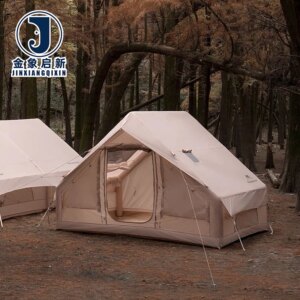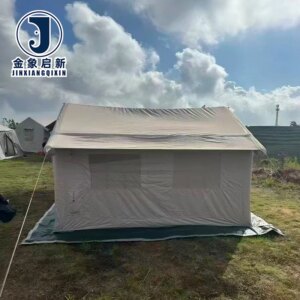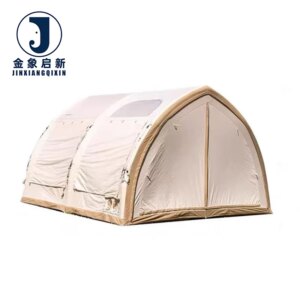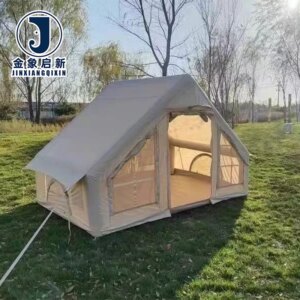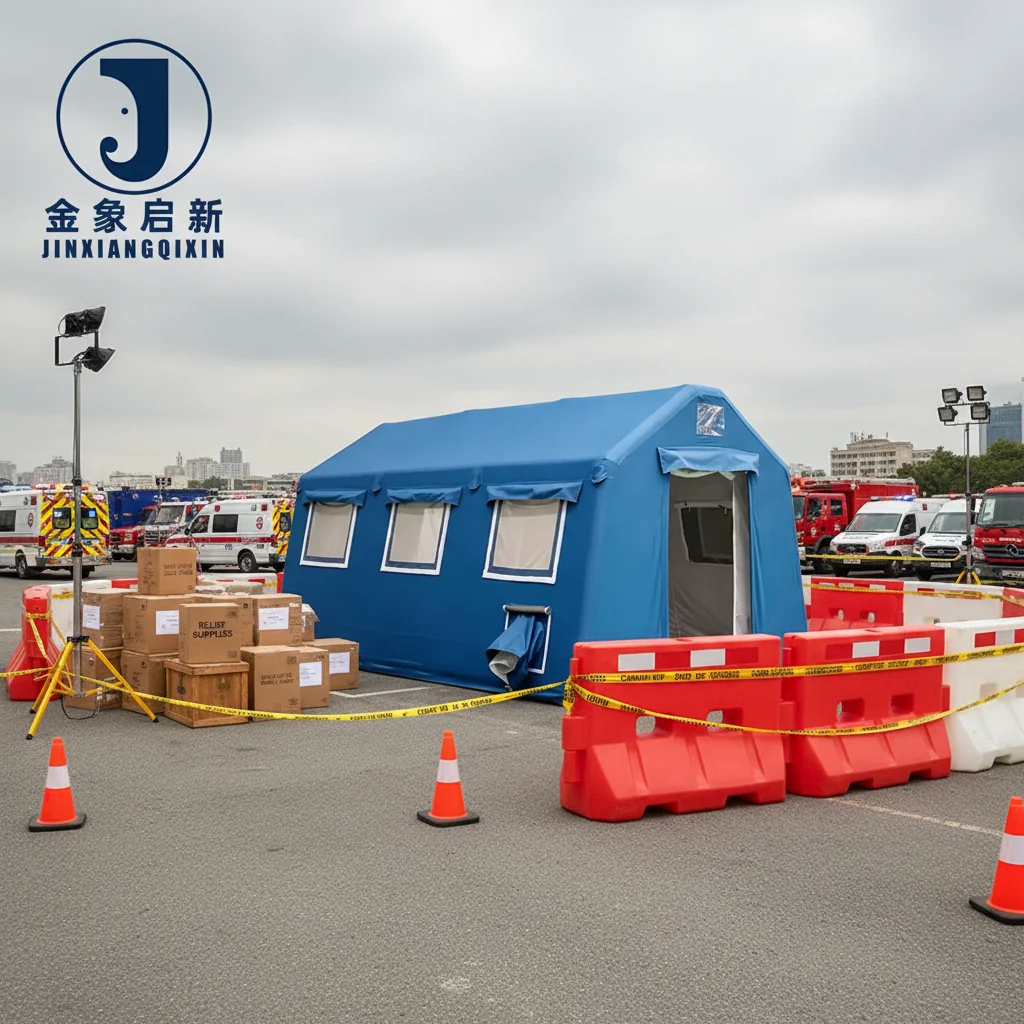
Precision-Coated Fabric Expertise — Every PVC Inflatable Camping Tent is built on the same coating technology that secures our truck covers and transport shelters, with full-process QA monitoring from cutting through heat sealing.
Technical Specifications
| Parameter | Value |
|---|---|
| Product Type | PVC Inflatable Camping Tent |
| Core Material | PVC Tarpaulin |
| Waterproof Rating | >3000mm |
| Season Design | 4-Season |
| Opening Mechanism | Quick Automatic Opening (Inflatable) |
| Product Form | Family Shelter |
| Construction | Single-layer PVC |
| Flame Retardant | Available in flame retardant grades — confirm the grade required for your market |
| UV Treatment | Available with UV treatment — request test data for your specific compliance market |
| Customization Options | OEM & ODM (sample customization, pattern printing, material thickness adjustments, custom color matching, logo printing, size modifications) |
| Quality Control | Full-process inspection; 24-hour inflation and pressure test before shipment |
| Sample Lead Time | 7-10 working days (standard); 10-15 working days (customized) |
| Production Lead Time | 15-20 working days (standard); 25-30 working days (large-volume or highly customized) |
| Certifications | ISO 9001, ISO 14001, ISO 45001, CE |
Application Suitability
| Application | Exposure & Requirement |
|---|---|
| Transport fleet staging and driver rest shelters | Wind loading at open yards, temperature swings, frequent setup and teardown cycles |
| Mobile field offices at remote construction sites | Dust ingress, rain exposure, prolonged sun, need for rapid deployment |
| Temporary event and exhibition shelters | High foot traffic, short lead times, branded appearance, weather variability |
| Equipment storage at logistics hubs | Moisture protection, UV exposure, secure enclosure for valuable machinery |
| Personnel facilities in diverse weather conditions | 4-season thermal stability, waterproof integrity, structural reliability under inflation pressure |
Why a Leaking Inflatable Shelter Costs More Than the Fabric
The seam fails before the fabric does — because heat-sealing parameters were set for a different PVC grade.
When a PVC inflatable tent is deployed at a transport yard or a remote construction site, the structural integrity depends entirely on airtight seams holding constant internal pressure. I have seen operators lose an entire day of field operations because a shelter deflated overnight at the weld line. The coated fabric itself was intact; the failure occurred where the material flexes most under inflation load [NEED_CITE: heat-seal integrity testing for inflatable PVC structures]. This is not a material defect — it is a process mismatch between the sealing temperature and the specific PVC formulation used in that production run.
Coating Technology That Crosses Over From Truck Covers
The PVC tarpaulin used in our inflatable shelters is produced on the same coating lines that manufacture truck side curtain fabric and transport covers. This means the base fabric denier, weave density, and coating adhesion are controlled to withstand constant mechanical stress and weather exposure. When you specify a PVC Inflatable Tent for transport and field shelter applications, you are getting a material that was engineered for moving loads — not a generic camping-grade film repurposed for industrial use.
Deployment Speed Without Sacrificing Weather Integrity
The quick automatic opening mechanism reduces setup time to minutes rather than hours, which matters when a field crew needs shelter before a weather front arrives. The >3000mm waterproof rating is verified through batch-specific inspection, not just a datasheet claim. For fleet operators staging at logistics hubs, this means the PVC inflatable tent holds its internal pressure and keeps water out through a full shift of rain, verified by our 24-hour inflation and pressure test protocol before any unit leaves the facility [NEED_CITE: waterproof testing methodology for coated inflatable fabrics].
Reading the Specification Sheet Beyond the Headline Numbers
The waterproof rating of >3000mm tells you the hydrostatic head the fabric can withstand before penetration — but that number is meaningless if the seams are not sealed to the same standard. Single-layer PVC construction reduces overall weight for transport efficiency, which matters when inflatable shelters are loaded onto fleet vehicles and moved between sites. The 4-season design rating indicates the material maintains flexibility and structural stability across a wide temperature range, preventing the brittleness that causes cold-weather cracking or the softening that leads to pressure loss in summer heat. Material thickness adjustments are available through our OEM process, allowing you to balance durability against pack weight depending on your deployment pattern.
The Hidden Cost of Ignoring Batch Consistency
Color variation between units in the same order is a common complaint in bulk inflatable shelter procurement. When three shelters are deployed side by side at an event or a logistics staging area, a visible shade difference undermines the professional appearance the operator paid for. This happens when coating batches are not matched to a single color reference standard before production [NEED_CITE: color consistency control in PVC coated fabric production]. Beyond aesthetics, batch inconsistency in material thickness can cause some units to hold pressure while others slowly deflate — a problem that only surfaces after deployment, when replacement is expensive and slow.
What Process Control Looks Like on the Production Floor
Our 10-person R&D team handles material selection and sample development for every custom inflatable shelter order, ensuring the PVC formulation matches the environmental exposure you described in your inquiry. Three full production lines and 36 sets of professional processing equipment support bulk capacity without sacrificing the 24-hour inflation test that every unit must pass. Dedicated QA and QC staff monitor each stage from cutting through heat sealing, checking weld seam integrity before the product moves to the pressure test phase. Pre-production samples are developed within days for dimensional and material validation, so you confirm the specification before committing to a full production run.
Documentation & Verification
- Material specification sheet stating PVC base fabric details and coating weight matched to your order
- Batch-specific waterproof performance report with >3000mm verification for your shipment
- ISO 9001, ISO 14001, ISO 45001 and CE certificates provided for customs and site compliance
- Pre-shipment inspection record confirming 24-hour inflation and pressure test results per unit
- Certificate of origin and customs documentation package included with every dispatch
Fabrication, Handling & Storage
- Heat-sealing temperature must match the specific PVC formulation grade — request our recommended parameters for single-layer construction
- Store inflated or deflated units away from sharp objects that could puncture the PVC tarpaulin surface
- Avoid folding at the same crease lines repeatedly to prevent coating fatigue at stress points
- Clean with mild detergent only; solvents may degrade the PVC coating adhesion over time
- Inspect weld seams before each redeployment to catch early signs of pressure loss
What We Need to Quote Accurately
Provide your deployment environment details — temperature range, wind exposure, expected duration per setup — so we can recommend the correct material thickness and seam configuration. Specify whether you need standard sizing from our current range or custom dimensions to fit a particular site footprint or vehicle staging layout. Confirm any flame retardant or UV treatment grades required by your local regulations, and let us know your color reference and branding requirements if logo printing is part of the order.
Frequently Asked Questions
Q: How do you verify waterproof rating and airtightness before shipment?
A: Every PVC inflatable camping tent undergoes a 24-hour inflation and pressure test on the production floor before dispatch. Waterproof performance exceeding 3000mm is verified through batch-specific inspection reports that accompany your shipment, so you have documented evidence for site compliance and quality records.
Q: Can inflatable shelters be custom-sized to fit specific vehicle or site footprints?
A: Yes. Our R&D team develops pre-production samples based on your dimensional drawings or site layout requirements. Material thickness, color matching, and logo printing are all adjustable through our OEM process, with sample lead times of 10-15 working days for customized configurations.
Q: What UV and flame-retardant test data is available for outdoor deployment compliance?
A: UV and flame-retardant treatments are available in various grades depending on your market requirements. We recommend specifying the exact compliance standard your site or region mandates so we can supply the matching test report and material certification with your shipment.
Q: How is batch-to-batch color and material consistency controlled across large orders?
A: All units in a single order are produced from PVC tarpaulin matched to one color reference standard. Our QA team monitors coating weight and thickness throughout production, and the full-process inspection protocol ensures weld seam integrity is consistent before the 24-hour pressure test.
Q: What documentation accompanies each shipment for customs and site inspection?
A: Each dispatch includes a material specification sheet, batch inspection record, ISO 9001 and ISO 14001 certificates, CE documentation, certificate of origin, and a packing list. This package supports customs clearance and provides the compliance evidence required for site safety audits.