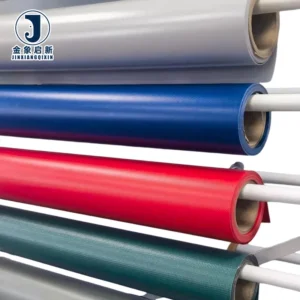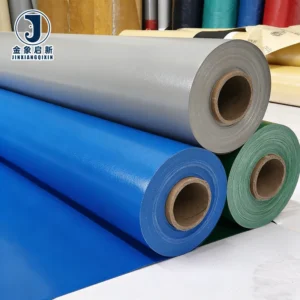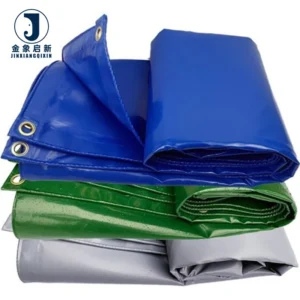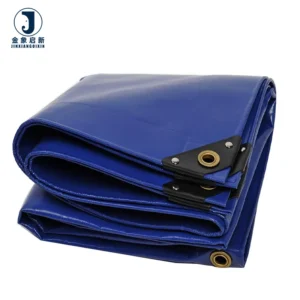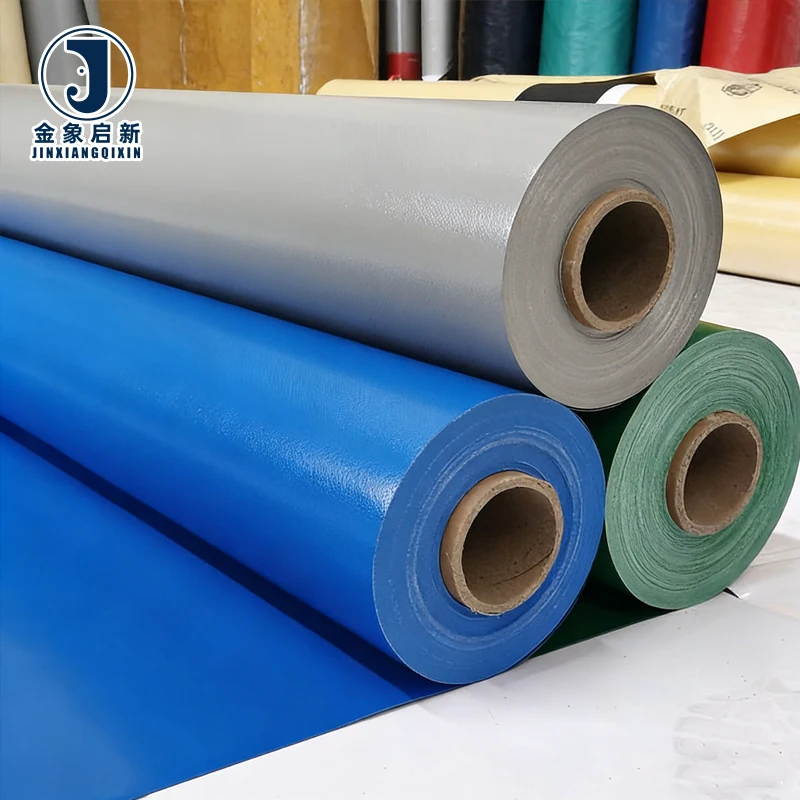
Process-Controlled Coating — GSM verified per roll with pre-shipment inspection records, not just a quotation line, ensuring truck and transport cover fabric meets exact weight specifications.
Technical Specifications
| Parameter | Value |
|---|---|
| Product Type | PVC Coated Tarpaulin Roll |
| Specification | 610gsm 650gsm 800gsm |
| Coating Material | PVC |
| Base Fabric | Polyester (denier and weave density to confirm) |
| Flame Retardant Grade | flame retardant (grade not stated) |
| UV Treatment | anti-UV (test basis not stated) |
| Waterproof Rating | water resistant (specific rating not stated) |
| Finish | available in glossy or matte finish |
| Form | Roll stock |
Application Suitability
| Application | Exposure & Requirement |
|---|---|
| Truck and trailer side curtains | Constant flexing, road abrasion, wind load, weather exposure |
| Tent and awning fabrication | UV exposure, seasonal storage, repeated folding and deployment |
| Outdoor equipment covers | Rain ingress, dust, mechanical impact, prolonged sun exposure |
| Inflatable structure fabric | Internal air pressure, seam stress, puncture risk during handling |
| Heavy-duty transport tarps | Tie-down tension, load flexing at welded seams, abrasion at contact points |
Why Quoted Weight Alone Does Not Protect Your Cover Investment
Coating adhesion and base fabric construction matter more than the GSM number on the invoice.
A fleet operator orders PVC tarpaulin rolls at a specified weight for truck side curtains, only to find the fabric arrives lighter than agreed. Even when the weight matches, a poorly bonded coating separates from the base fabric at flex points long before the material itself wears through. The PVC tarpaulin roll manufacturer you choose must verify both the weight and the coating-to-fabric bond before dispatch, not after the rolls are already cut and installed on trailers across your region. [NEED_CITE: peel adhesion test methods for coated fabrics per ISO 2411]
Roll-to-Roll Consistency for Transport Fabrication
When fabricating truck covers and side curtains, batch variation across rolls creates visible problems once panels are installed side by side. Shade differences between rolls force fabricators to sort and match before cutting, adding labour and waste. Consistent coating weight and colour across a PVC tarpaulin roll shipment means the cutting room runs without interruption and the finished trailer set looks uniform on the road.
Seam Integrity at Load Flex Points
Truck and trailer covers experience the highest stress exactly where panels are joined. Heat-welded seams must hold under repeated flexing as loads shift during transit. Coating formulation and surface finish directly influence weld quality — a surface that melts unevenly or contains contaminants produces joints that fail before the surrounding fabric. Selecting the right PVC tarpaulin roll for transport applications means confirming weld behaviour matches the flex cycle of your specific trailer design. [NEED_CITE: tensile and tear test methods for coated fabrics per ISO 1421]
Reading the Weight Grades Correctly
The three weight options — 610gsm, 650gsm, and 800gsm — serve different positions in transport and outdoor cover use. Lower GSM suits temporary covers and lighter awning structures where handling weight matters. Mid-range weight covers standard side curtains and general outdoor protection. The heavier grade addresses high-abrasion environments such as construction equipment covers or long-haul trailers exposed to constant road debris impact. Base fabric denier and weave density work together with GSM to determine actual tensile and tear performance, so weight alone should not drive the final selection.
What Happens When Specifications Are Assumed Rather Than Verified
Fabricators and fleet buyers who accept material on quoted weight alone face predictable problems. Rolls that arrive below specification produce covers that tear prematurely at stress points. Flame retardant claims without a stated grade lead to failed site inspections where fire safety documentation is required. Anti-UV treatment without test data means colour fade and coating degradation appear sooner than expected in exposed installations. Every one of these issues traces back to verification gaps in the supply chain, not to the material concept itself. [NEED_CITE: fire classification standards for flexible fabric structures]
Why Source PVC Coated Tarpaulin Rolls From This Facility
Deep process control over coating weight and adhesion means the GSM on your specification sheet matches what arrives at your cutting table. Three full production lines and dedicated equipment support bulk roll orders with consistent lead times. A specialist R&D team handles custom width, colour, and treatment requirements with sample development completed within days. QA inspection covers every roll before shipment — weight spot-checks, colour reference verification, and coating adhesion confirmation are recorded, not assumed. ISO and CE certified production provides the documentation foundation that fleet operators and distributors need for their own compliance chains.
Documentation & Verification
- Material spec sheet confirming exact GSM, base fabric denier, and coating weight per roll
- UV and flame retardant test reports matched to the treated grade on your order
- Pre-shipment inspection record covering weight verification and colour reference per roll
- Roll packing list with gross weight and container loading plan by roll count
- Certificate of origin and customs documentation for cross-border dispatch
Fabrication, Handling & Storage
- Heat-weld PVC tarpaulin rolls at temperatures matched to coating thickness for clean seam adhesion
- Store rolls upright on cores to prevent permanent creasing across the 610gsm to 800gsm weight range
- Use compatible PVC adhesive patches for field repairs on truck cover seams and abrasion points
- Plan cutting layout across roll width to minimise waste and reduce cross-grain seam counts
- Avoid dragging heavy-grade rolls on unprotected surfaces to prevent coating scuff before fabrication
How to Scope Your PVC Tarpaulin Roll Inquiry
Provide the application environment and the mechanical stresses the fabric will face — truck side curtain, static cover, or inflatable structure each need different performance emphasis. Confirm whether your market requires flame retardant certification and which grade applies locally. Specify roll width, length per roll, and annual volume so the production plan can match your fabrication schedule. Indicate colour references and whether gloss or matte finish suits the end use. Request sample rolls to verify weld behaviour and colour match before committing to bulk shipment.
Frequently Asked Questions
Q: How do you verify GSM accuracy before the rolls ship?
A: Every roll undergoes weight spot-checking during pre-shipment inspection. The recorded GSM is compared against the specification on your purchase order. An inspection report accompanies the shipment so you can cross-check on arrival without relying solely on the quotation figure.
Q: Can I get a test report for UV or flame retardant treatment?
A: Test reports are available for treated grades. Specify the UV resistance standard or flame retardant classification your market requires when placing the order. The corresponding report is included in the dispatch documentation package for your compliance records.
Q: How do you control colour consistency across multiple rolls?
A: Coating colour is controlled at the mixing and application stage with reference checks maintained throughout the production run. The pre-shipment inspection includes a colour comparison across rolls in the same order to flag any visible variation before loading.
Q: What is the minimum order for custom width or colour?
A: Minimum quantities depend on the specific width and colour requested, as these affect production line setup. Submit your required dimensions and Pantone or RAL reference, and the production team will confirm the minimum and lead time for your specification.
Q: How are rolls packed for container shipment?
A: Rolls are wound on cores and packed with protective wrapping to prevent surface damage during transit. A packing list details roll count, individual roll dimensions, and total gross weight to support your container loading plan and receiving process.