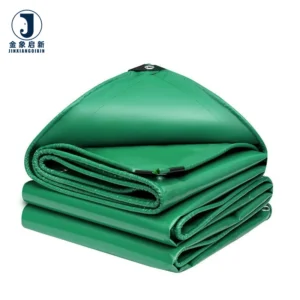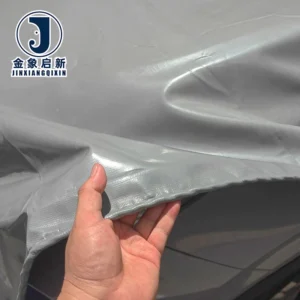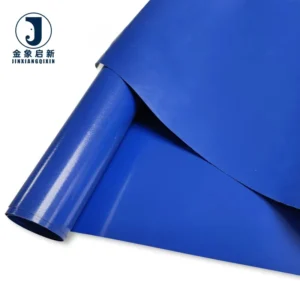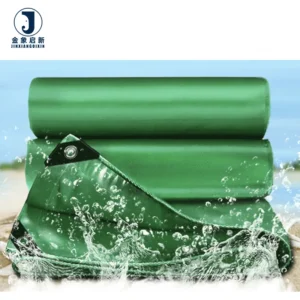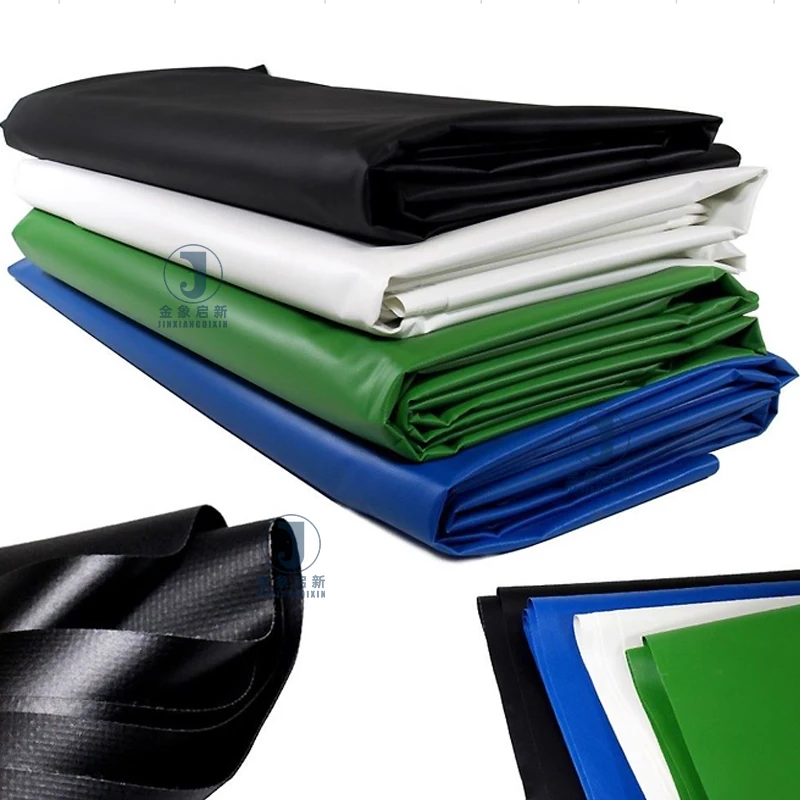
Process-Controlled Coating — Laminated and hot-melt coating lines maintain consistent PVC adhesion across high-tenacity polyester base fabric, verified through 100% pre-shipment inspection.
Technical Specifications
| Parameter | Value |
|---|---|
| Product Type | PVC Coated Tarpaulin Roll |
| Base Fabric | 100% high tenacity polyester yarns |
| Coating Material | PVC |
| Coating Method | Laminated technology & Hot-melt Coating technology |
| Waterproof | Yes |
| Cold Crack Resistance | Yes |
| Anti-Mildew | Yes |
| Anti-Static | Available as special treatment (grade not stated — confirm requirement for your application) |
| Flame Retardant | Available as special treatment (grade not stated — confirm the grade required for your market) |
| Anti-Cold Treatment | Available as special treatment |
| Tearing Strength | Outstanding tearing strength for welding (test standard not stated) |
| Color Fastness | Best color fastness (test basis not stated) |
| Special Treatments Available | Flame retardant, anti-static, anti-cold, anti-mildew, 3P |
| Outdoor Life | 3–5 years (source value — verify against current catalog) |
| Edge Construction | Reinforced edges |
Application Suitability
| Application | Exposure & Requirement |
|---|---|
| Truck side curtains | Constant flexing at load points, road abrasion, tie-down strap friction, UV and weather exposure |
| Truck top covers | Standing water runoff, wind uplift stress, thermal expansion and contraction across seasons |
| Fleet tarpaulin replacement | Mixed vehicle dimensions requiring custom width and length, batch color consistency across the fleet |
| Transport equipment OEM build | Roll stock for cutting and welding to specific trailer models, repeatable weld seam integrity |
| Industrial load protection | Abrasive contact with cargo edges, forklift handling, dust and moisture ingress prevention |
Why Generic Truck Covers Fail Before the Fabric Does
Reinforced PVC tarpaulin for trucks must be engineered around the stress points where flex and abrasion concentrate, not just the overall GSM.
When a PVC coated tarpaulin for trucks tears prematurely, the failure rarely starts in the middle of a panel. It begins at the weld line where the fabric folds over the trailer frame, or where a tie-down strap presses into the material every time the load shifts on the highway. Fleet operators often replace covers far earlier than expected because the specification focused on weight alone, ignoring the coating adhesion and base fabric construction that determine how the material handles repeated flex cycles [NEED_CITE: tensile and tear test methods for coated fabrics per ISO 1421]. This PVC coated tarpaulin roll uses high-tenacity polyester yarns with laminated and hot-melt coating technology to address that exact failure pattern.
Coating Adhesion Where Truck Covers Flex Most
The laminated and hot-melt coating process bonds the PVC layer to the polyester base under heat and pressure, creating an adhesion level that resists delamination when the PVC coated tarpaulin for trucks flexes over uneven loads. Unlike simple knife-over-edge coating, this method forces the PVC into the weave structure so the coating and base fabric move as a single unit. When the trailer side curtain flexes at every speed bump and corner, the bond between layers holds instead of separating at the stress concentration points.
Reinforced Edge Construction for Tie-Down Zones
Truck covers experience their highest abrasion at the perimeter where straps, buckles, and trailer rails make repeated contact. The reinforced edges on this PVC coated tarpaulin roll address that wear pattern directly. Transport equipment builders cutting and welding covers to specific trailer models benefit from edge reinforcement that survives the fabrication process and continues to perform through years of daily loading cycles. Fleet operators replacing worn covers across mixed vehicle fleets receive material that holds up at the exact zones where generic tarps typically fail first [NEED_CITE: weld seam failure patterns in transport tarpaulins].
What GSM and Base Fabric Together Mean for Truck Tarps
GSM alone tells you the total weight per square meter but reveals nothing about how that weight is distributed between base fabric and coating. A PVC coated tarpaulin with a lighter base fabric and heavier coating may match the same GSM as one built with denser polyester yarns, yet the two will perform very differently under the cyclic loading that truck covers endure. The high-tenacity polyester yarns in this material provide the tensile backbone, while the laminated hot-melt coating adds waterproof protection without inflating the coating-to-fabric ratio. Tear resistance at weld points depends on this balance — too much coating relative to base density means the weld grips PVC rather than interlocked yarn, and the seam fails before the fabric does. The cold crack resistance treatment ensures the PVC remains flexible at low temperatures encountered during winter transport, preventing the brittle fracture that causes sudden cover failure on cold mornings.
The Hidden Cost of Specifying Truck Tarps on Weight Alone
Fleet operators who specify PVC coated tarpaulin for trucks based on GSM without verifying coating adhesion or base fabric denier often discover the problem only after installation. Rolls arrive at the quoted weight, but the coating-to-fabric balance is skewed toward cheaper PVC bulk rather than high-tenacity yarn density. The cover installs correctly and looks right on day one, then begins delaminating at the weld seams within months of road vibration and thermal cycling. When this happens across an entire fleet, the replacement cost multiplies against the original savings [NEED_CITE: DIN 53354 coating adhesion test method for PVC tarpaulins]. Color inconsistency between rolls compounds the problem when covers are installed side by side on adjacent trailers, creating a patchwork appearance that reflects poorly on the fleet brand.
Why Source PVC Coated Tarpaulin Rolls Here
Three full production lines with 36 sets of professional equipment support bulk roll orders with consistent coating weight across the entire production run. The 10-person R&D team handles custom width, color matching, and sample development so transport equipment builders can confirm material behavior before committing to a fleet order. Dedicated QA and QC stages at every production point, with 100% inspection before shipment, catch GSM deviations and coating adhesion issues before rolls leave the facility. Material specification sheets and pre-shipment inspection records accompany every dispatch, giving buyers documented proof that the rolls received match the specification agreed. Samples are developed within days for custom requirements, allowing side-by-side comparison against existing covers before production begins.
Documentation & Verification
- Material specification sheet stating base fabric type, coating method, and available treatments per roll
- Pre-shipment inspection record confirming GSM and coating weight against the quoted truck tarpaulin specification
- Test reports for flame retardant or anti-static treatments where applicable to the order
- Roll packing list with batch references for traceability across fleet installations
- Color reference documentation to verify consistency across multiple rolls in a single order
- Certificate of origin and customs documentation for international transport shipments
Fabrication, Handling & Storage
- Set hot-melt welding temperature to match the laminated PVC coating layer for consistent seam bonding
- Allow reinforced edges to carry tie-down load without additional hem folding at high-stress zones
- Store rolls upright on cores to prevent flat spots that create crease marks on the PVC surface
- Unroll cold-stored material gradually before fabrication to avoid cracking the PVC coating
- Use mild detergent without solvents when cleaning to protect the coating adhesion layer
- Plan cutting layout around standard roll widths to minimize waste and cross-panel weld seams
What to Include in Your Inquiry
Provide the trailer dimensions and vehicle model so the roll width and length can be matched to your cutting pattern. Specify whether flame retardant or anti-static treatment is required for your operating environment or regulatory market. Indicate the color reference or whether standard stock colors are acceptable, and confirm the annual volume to support batch consistency planning across your fleet orders.
Frequently Asked Questions
Q: How is GSM verified on arrival to match the quoted truck tarpaulin specification?
A: Every roll undergoes 100% pre-shipment inspection with documented weight checks against the quoted specification. A pre-shipment inspection record accompanies the dispatch, showing actual GSM readings per roll. This eliminates the common problem where material arrives lighter than agreed, allowing you to verify coating and base fabric weight before the rolls enter your fabrication workflow.
Q: What flame retardant and anti-static grades are available for transport compliance?
A: Both flame retardant and anti-static treatments are available as special options on this PVC coated tarpaulin roll. The specific grade depends on your market requirements — confirm the standard your region or application demands so the correct treatment is applied during coating. Test reports documenting the achieved grade ship with the order when these treatments are specified.
Q: How are reinforced edges configured for specific trailer models?
A: The reinforced edges are supplied as part of the roll stock and can be positioned during your cutting and welding process to align with tie-down points and rail contact zones on your specific trailer model. Transport equipment builders should share the trailer dimensions and strap layout so the fabrication plan places reinforcement where abrasion concentrates most.
Q: How is color consistency maintained across rolls in a single fleet order?
A: Batch color consistency is controlled through standardized pigment dosing and verified during the 100% pre-shipment inspection. A color reference document ships with the order, and rolls from the same production batch are grouped together to prevent visible variation when covers are installed side by side across adjacent trailers in the fleet.