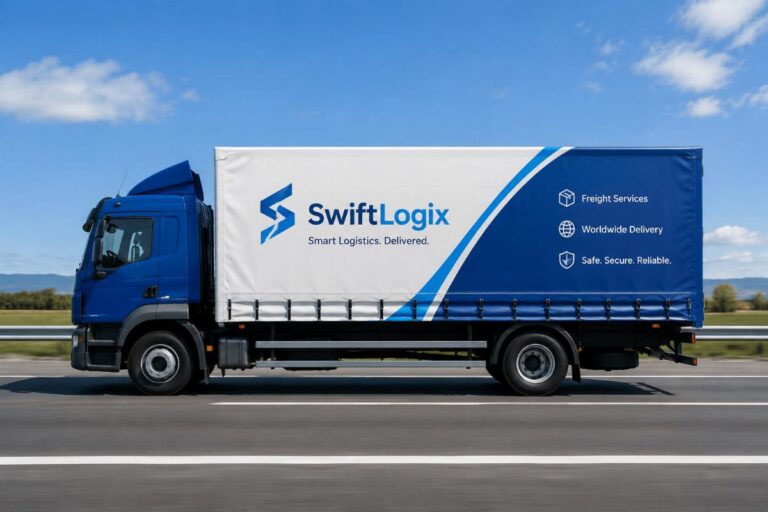
Bulk Heavy-Duty Truck Tarp for Dominican Republic Grain Storage Wholesale
Heavier is not always better if the material lacks UV stabilization.
For grain storage and transport in the Dominican Republic, buyers must prioritize PVC tarpaulins with high GSM weights, certified UV resistance, and reinforced stitching over standard PE covers to prevent rapid degradation and crop loss in tropical climates.
Walking through the port of Haina in Santo Domingo, the heat hits you differently than it does in temperate zones. It is not just the temperature; it is the humidity combined with intense solar radiation that acts as a relentless accelerator for material decay. I have stood on docks where stacks of grain bags were covered in what looked like robust tarps, only to find them brittle and cracking after a few months of exposure. The mistake was not in the weight of the fabric alone, but in the chemical composition and the lack of specific stabilization for Caribbean conditions. Standard polyethylene covers, often sufficient for short-term use in cooler regions, fail quickly here. The ultraviolet rays break down the polymer chains, leading to premature failure that exposes valuable agricultural commodities to moisture and contamination. [NEED_CITE: effects of UV radiation on polyethylene stability in tropical climates]
Selecting the right bulk heavy-duty truck tarp for grain storage requires understanding that the environment dictates the specification. In the Dominican Republic, the combination of salt spray from coastal logistics routes and high humidity creates a corrosive atmosphere that demands more than just waterproofing. It requires a material that can breathe enough to prevent condensation buildup while remaining impervious to rain. This balance is critical for maintaining grain quality during transport from ports to inland silos.
Why Do Standard Tarps Fail in the Dominican Republic?
Standard PE tarps degrade rapidly due to unmitigated UV exposure and high humidity, leading to structural failure.
The primary reason for the short lifespan of many tarps in this region is the misunderstanding of how tropical weather interacts with synthetic fabrics. Polyethylene (PE) is a common choice for general-purpose covering because it is lightweight and inexpensive. However, without advanced UV stabilizers, the molecular structure of PE breaks down under continuous sun exposure. This process, known as photodegradation, causes the material to lose its tensile strength and become brittle. [NEED_CITE: mechanisms of polymer photodegradation in high-UV environments]
In my experience visiting rural cooperatives, I have seen farmers use thin PE covers for grain storage. While these covers keep the rain off initially, they do not address the issue of condensation. Grain releases moisture, and in a humid environment, this moisture gets trapped under an airtight or poorly ventilated cover. The result is mold growth and spoilage, which can ruin an entire harvest. Furthermore, the high humidity accelerates the growth of mildew on the tarp itself, which can further weaken the fabric over time.
Another factor is the mechanical stress caused by wind. The Dominican Republic experiences seasonal winds that can exert significant force on large covers. Standard tarps often have weak points at the eyelets and hems. When the fabric becomes brittle from UV exposure, these weak points tear easily, rendering the cover useless. A fleet operator I worked with reported that nearly half of their tarps failed within six months due to a combination of sun damage and wind tearing. Switching to a more durable material with reinforced edges significantly reduced this failure rate. [NEED_CITE: impact of environmental stressors on tarp durability in Caribbean logistics]
PVC vs. PE: Which Material Suits Grain Storage?
PVC offers superior durability, UV resistance, and flexibility for long-term outdoor grain storage in tropical climates.
When choosing between PVC and PE for a bulk heavy-duty truck tarp for grain storage, the decision should be based on longevity and protection requirements. PVC (polyvinyl chloride) tarpaulins are inherently more resistant to UV radiation, abrasion, and chemicals than standard PE. They are also heavier and more flexible, which allows them to withstand wind flapping without cracking.
PE tarpaulins are woven from polyethylene strips and laminated on both sides. They are lightweight and cost-effective, making them suitable for temporary coverage or indoor use. However, their lifespan outdoors in high-UV regions is limited. Even with UV treatment, PE tends to degrade faster than PVC. For grain storage, where the cover may be in place for weeks or months, this limitation is a significant risk.
PVC tarpaulins, on the other hand, are coated fabrics that offer a higher level of protection. The coating provides a seamless barrier against water and dust, while the base fabric provides tensile strength. High-quality PVC tarps are treated with UV inhibitors that protect the material from solar degradation. This makes them ideal for the harsh conditions found in the Dominican Republic. Additionally, PVC is less prone to tearing at the eyelets because it can be reinforced with extra layers of fabric during manufacturing.
| Feature | Standard PE Tarp | Heavy-Duty PVC Tarp |
|---|---|---|
| UV Resistance | Low to Moderate (requires additives) | High (inherent and additive-enhanced) |
| Durability | Prone to brittleness and tearing | Flexible and abrasion-resistant |
| Waterproofing | Good initially, degrades over time | Excellent and long-lasting |
| Weight | Lightweight | Heavier, more stable in wind |
| Lifespan in Tropics | Short | Extended |
[NEED_CITE: comparative performance of PVC and PE materials in agricultural applications]
Key Specifications for Bulk Purchasing
Focus on GSM weight, UV stabilization certification, and reinforced eyelet spacing to ensure durability.
When sourcing a bulk heavy-duty truck tarp for grain storage, buyers must look beyond the basic description of "waterproof." The specifications that determine performance in the Dominican Republic include the grammage (GSM), the type of UV stabilization, and the construction details.
GSM (grams per square meter) is a key indicator of the tarp’s thickness and durability. For tropical environments, a higher GSM is generally recommended. While a lower GSM might suffice for short-term use, a higher GSM provides better resistance to tearing and punctures. For grain storage and trucking, a GSM in the higher range of heavy-duty specifications is advisable to withstand the weight of the grain and the stress of transport. [NEED_CITE: recommended GSM ranges for heavy-duty industrial tarpaulins]
UV stabilization is non-negotiable. Buyers should request information on the UV resistance testing standards used by the manufacturer. Look for tarps that have been tested for extended hours of UV exposure without significant loss of strength. This ensures that the tarp will not become brittle and crack after a few months in the sun.
Reinforced eyelets and hems are critical for preventing tearing. The eyelets should be made of rust-resistant material, such as aluminum or stainless steel, and should be spaced closely enough to distribute the tension evenly. Double-stitched hems add an extra layer of security, preventing the seams from unraveling under stress.
| Specification | Recommendation for Tropical Use |
|---|---|
| Material | PVC with UV stabilizers |
| GSM Weight | High range for heavy-duty use |
| Eyelets | Rust-resistant, reinforced, close spacing |
| Hems | Double-stitched for added strength |
| Certification | UV resistance test reports |
How to Verify Quality Before Shipment?
Request lab test reports for UV resistance and tensile strength to ensure the product meets tropical standards.
Verifying the quality of a bulk heavy-duty truck tarp for grain storage before shipment is essential to avoid costly failures. Buyers should not rely solely on visual inspection or sample pieces, as these may not represent the entire batch. Instead, they should request detailed lab test reports from the manufacturer.
These reports should include data on UV resistance, tensile strength, and tear strength. UV resistance tests simulate prolonged exposure to sunlight and measure the loss of strength over time. Tensile strength tests measure the force required to break the material, while tear strength tests measure the resistance to tearing once a nick or cut is present. [NEED_CITE: standard testing methods for tarpaulin durability and UV resistance]
Buyers should also ask for information on the manufacturing process. Understanding how the tarp is produced can provide insights into its quality. For example, knowing whether the eyelets are heat-sealed or mechanically fastened can indicate the likelihood of leakage or tearing. Additionally, requesting photos or videos of the production line can help verify that the manufacturer has the capacity and expertise to produce high-quality tarps.
In one instance, a buyer requested a third-party inspection of a shipment before it left the factory. The inspection revealed that the UV coating was unevenly applied, which would have led to premature failure. By catching this issue early, the buyer was able to request a rework before the goods were shipped, saving time and money.
Conclusion
Choosing the right tarp for the Dominican Republic means prioritizing UV resistance and structural integrity over initial cost.
Sourcing a bulk heavy-duty truck tarp for grain storage in the Dominican Republic requires a clear understanding of the local environmental challenges. Standard materials often fail due to the intense UV radiation and high humidity, leading to crop loss and increased replacement costs. By selecting PVC tarpaulins with high GSM weights, certified UV resistance, and reinforced construction, buyers can ensure the longevity and effectiveness of their grain storage solutions. Verifying quality through lab tests and detailed specifications further mitigates the risk of premature failure.