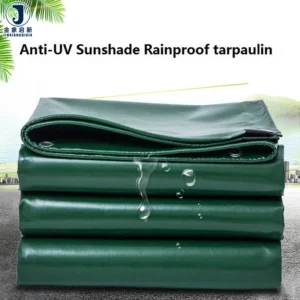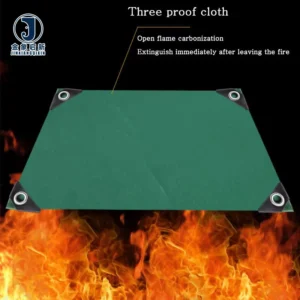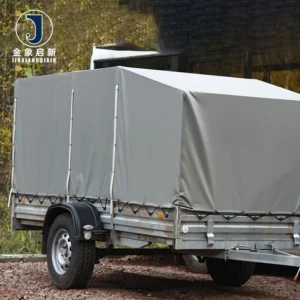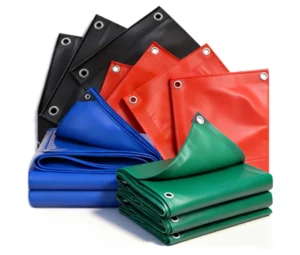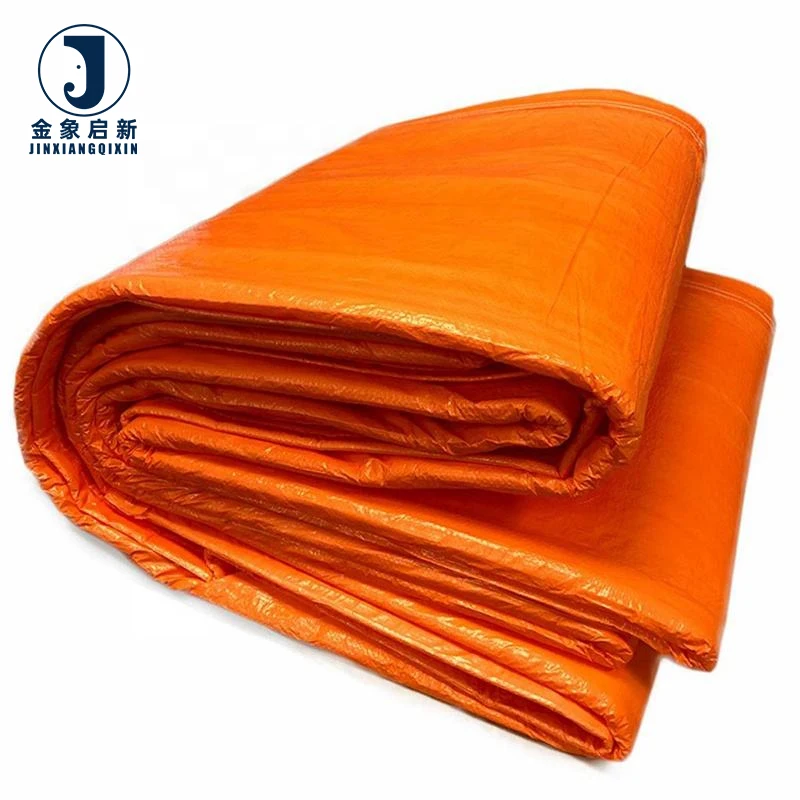
Multi-layer insulation engineering — Three full production lines and 36 sets of equipment support consistent output of PE foam core insulated blankets, with dedicated QA at every lamination stage to verify layer adhesion and grommet placement before dispatch.
Technical Specifications
| Parameter | Value |
|---|---|
| Product Type | Insulated Tarpaulin Blanket |
| Material Structure | PE cloth + closed cell PE foam core + PE cloth |
| Thickness Options | 2x2mm / 3×1.5mm / 1x4mm / 5mm / 6mm / 8mm / 12mm |
| Dimensions | 6ftx24ft / 8ftx25ft / 12ftx20ft / 12ftx24ft |
| Color Options | Orange / Black / White / Silver / Customized color |
| Grommet Configuration | Aluminum grommets, hole distance 61cm and 91.5cm |
| Edge Finish | Reinforced stitching with rust-proof brass grommets |
| Surface Treatment | Waterproof, UV resistant (test basis not stated), mildew resistant |
Application Suitability
| Application | Exposure & Requirement |
|---|---|
| Truck and trailer load covering in cold weather transit | Road vibration, tie-down flex at grommet points, wind-driven rain and snow, thermal retention for temperature-sensitive cargo |
| Concrete curing blanket on slabs and precast elements | Prolonged ground contact, moisture exposure, repeated deployment and folding, heat retention during low-temperature cure cycles |
| Side curtain insulation for refrigerated or enclosed trailers | Constant flexing at hinge and roller points, abrasion against frame hardware, UV exposure during yard storage |
| Job-site enclosure and wind block for maintenance bays | High-wind loading on grommets and stitched edges, scaffolding tie-off stress, seasonal temperature swings |
Why Thickness Grade Matters More Than Label Claims for Insulated Concrete Curing Blanket
A blanket that loses heat at the seams defeats the purpose of paying for insulation in the first place.
Generic tarps marketed for winter pours often rely on a single-layer air gap that collapses under snow load or wind pressure, leaving the concrete exposed at the points where thermal loss is greatest. Buyers who specify insulated blankets without verifying the core structure and edge construction end up replacing material mid-season or dealing with delayed cure schedules. [NEED_CITE: thermal performance of multi-layer PE foam insulation in construction enclosures]
The closed-cell PE foam core in this insulated tarpaulin for truck and transport applications maintains its loft under compression, which is what preserves the insulating air pockets across the full surface area rather than just at the center of the panel.
Closed-Cell Foam Core and Heat Retention on Moving Loads
The three-layer construction — PE cloth, closed-cell PE foam, PE cloth — traps still air within the foam matrix, which is the mechanism that slows heat transfer through the blanket. For transport operators covering temperature-sensitive freight in cold weather, this structure means the insulated tarpaulin for truck and transport use holds its thermal barrier even when wind is stripping heat from the outer surface. The PE outer layers block moisture ingress that would otherwise saturate a fibrous insulation and collapse its R-value.
Grommet Spacing and Edge Integrity Under Tie-Down Stress
Grommets placed at 61cm and 91.5cm intervals distribute tie-down load across a wider section of the stitched edge, reducing the point stress that causes tear-out in high-wind conditions. The rust-proof brass grommet specification matters for fleet operators who deploy and strike blankets repeatedly across seasons — corroded grommets seize on hooks and rip free under tension. [NEED_CITE: tie-down load distribution and grommet failure modes in transport tarpaulins] Reinforced stitching along the perimeter works in tandem with the grommet spacing to keep the edge intact at the flex points where the load shifts during transit.
Reading the Thickness Options for Real-World Insulation
The available thickness range — from 2x2mm up to 12mm — reflects different insulation requirements rather than a simple "thicker is better" hierarchy. A 2x2mm layup keeps weight and pack size down for applications where moderate thermal resistance is sufficient, such as short-haul cold-weather covering or wind blocking on a sheltered site. The 8mm and 12mm grades serve extended outdoor curing in sub-zero ambient conditions or heated enclosures where heat loss through the blanket wall directly affects fuel consumption and cure time. The closed-cell structure means each grade resists water absorption regardless of thickness, so the insulation value does not degrade after rain exposure the way open-cell foams do.
What Happens When Insulation Blankets Are Specified by Price Alone
Buyers who select insulated blankets on cost per square meter without checking core structure frequently discover mid-project that the material compresses flat under its own tie-down straps, eliminating the air gap that provides insulation. Stitched edges that lack reinforcement pull apart at the grommets after two or three deployments, leaving the blanket unable to be secured in wind. [NEED_CITE: premature failure of single-layer insulated blankets in construction applications] Colour inconsistency across blankets in the same order becomes visible once they are hung side by side on a site enclosure, forcing either acceptance of a patchwork appearance or a costly reorder from a different batch.
Production Control Behind Consistent Insulated Blanket Output
A 10-person R&D team handles material selection and sample development for custom sizes and colour runs, which means non-standard dimensions and site-code colours can be sampled before committing to bulk production. Three full production lines with 36 sets of professional equipment give the capacity to fulfil fleet-scale orders without extending lead times beyond what the schedule allows. Dedicated QA and QC at every production stage, with 100 percent inspection before shipment, catches grommet placement errors and lamination defects before the blankets leave the factory. Nearly 30 years of coated fabric production experience informs process control over layer adhesion and coating weight consistency.
Documentation & Verification
- Material specification sheet confirming core structure, layer composition, and stated thickness grade for each blanket
- Pre-shipment inspection record verifying grommet material, spacing intervals, and edge stitch integrity
- UV test report available for grades where anti-UV performance is specified for extended fleet or site deployment
- Roll packing list and certificate of origin included with each dispatch for customs and receiving verification
Fabrication, Handling & Storage
- Stitch rather than heat-weld seams on the PE foam core structure to preserve insulation continuity at joins
- Use compatible tie-down hardware matching the 61cm and 91.5cm grommet spacing to avoid off-angle loading
- Store folded blankets dry and off bare ground to prevent mildew despite the mildew-resistant surface treatment
- Inspect brass grommets after each deployment cycle for deformation at high-stress corner and midpoint positions
- Avoid dragging blankets across abrasive surfaces to protect the waterproof PE cloth outer layer from puncture
What to Include in Your Enquiry
Provide the ambient temperature range and wind exposure level your blankets will face, along with the specific trailer models or formwork dimensions you need to cover. Confirm whether your site or fleet requires a particular colour for code compliance or branding, and indicate whether standard grommet spacing suits your tie-down system or if a custom configuration is needed.
Frequently Asked Questions
Q: Which thickness grade suits my ambient temperature range for concrete curing?
A: Thicker grades such as 8mm and 12mm provide greater thermal resistance for sub-zero ambient conditions and extended cure cycles. Lighter grades like 2x2mm or 5mm suit moderate cold-weather protection where weight and pack size are also considerations. Confirm the engineer’s thermal requirement before selecting.
Q: Can these insulated blankets be reused across multiple pours and seasons?
A: The closed-cell PE foam core resists water absorption and compression set, supporting repeated deployment when handled correctly. Brass grommets and reinforced stitching at the edges are specified to withstand seasonal rigging cycles. Inspect grommets and edge stitching between uses for wear.
Q: How do I secure the blanket in high wind without tearing out the grommets?
A: The 61cm and 91.5cm grommet spacing distributes tie-down load across a broader section of the reinforced stitched edge. Use bungee straps or elasticated ties rather than rigid chains to absorb gust loads. Corner grommets carry the highest stress and should be checked most frequently.
Q: Do you produce custom sizes and grommet configurations for non-standard applications?
A: Custom dimensions and grommet spacing can be developed through the sample process before bulk commitment. Provide your exact cover dimensions and tie-down requirements so the R&D team can confirm the configuration. Lead time depends on order volume and material availability.
Q: What documentation accompanies each shipment for verification on site?
A: Each order ships with a material specification sheet, pre-shipment inspection record, packing list, and certificate of origin. UV test reports are available for grades where anti-UV treatment is specified. Request the documentation set relevant to your compliance requirements at enquiry stage.