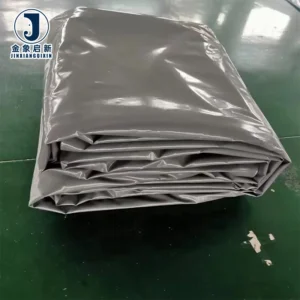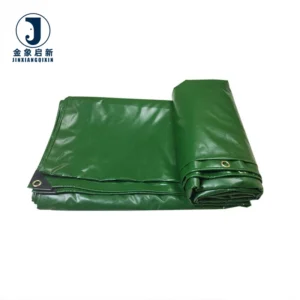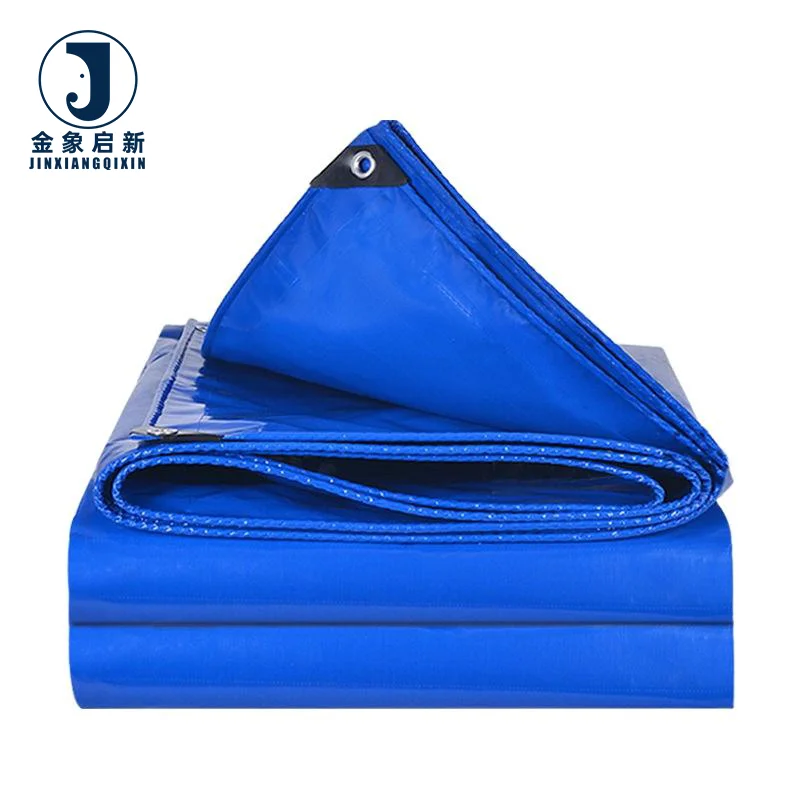
Precision-Coated Truck Covers — Each roll undergoes 100% inspection with verified GSM matching the quotation before dispatch, preventing underweight material from reaching your fleet.
Technical Specifications
| Parameter | Value |
|---|---|
| Product Type | PVC Coated Tarpaulin |
| Coating Material | PVC |
| Base Fabric | High-strength polyester mesh fabric |
| Weight Options | 350gsm / 420gsm / 500gsm / 550gsm / 600gsm / 750gsm |
| Thickness Range | 0.32mm / 0.35mm / 0.4mm / 0.45mm / 0.5mm / 0.65mm |
| Roll Width | 2m / 2.1m |
| Roll Length | 75m / 50m |
| Coating Method | Laminated technology & Hot-melt Coating technology |
| Surface Finish | Glossy or Matt (select per application) |
| Color Options | Blue / Red / Yellow / Light blue / Grey (custom colors available) |
| Cold Crack Resistance | Yes |
| Anti-Mildew Treatment | Yes |
| Anti-Static Treatment | Yes (grade not stated — confirm grade required for your application) |
| Flame Retardant | Available in flame retardant grades — confirm the grade required for your market |
| Waterproof | Fully coated waterproof construction |
| Standards | ISO and CE |
Application Suitability
| Application | Exposure & Requirement |
|---|---|
| Truck side curtains | Constant flexing at load shift points, road abrasion, high-speed wind stress, UV and rain exposure |
| Trailer load covers | Repeated tie-down tension, flex at corner seams, weather extremes across regional routes |
| Flatbed tarpaulin systems | Heavy load contact, crane or forklift abrasion during loading, sun and precipitation |
| Transport fleet replacements | Must match existing eyelet spacing and reinforcement layout for direct fitment |
Why Stated GSM Does Not Guarantee Cover Longevity on the Road
Weld seam integrity and base fabric adhesion determine failure point more than weight alone.
I have seen heavy-grade coated rolls fail at the weld line long before the fabric body shows wear. The PVC coated tarpaulin for truck and transport covers must hold under repeated flexing where the load shifts during braking and cornering. When the coating adhesion is weak or the hot-melt bond is inconsistent, the seam splits first [NEED_CITE: tensile and tear test methods for coated fabrics per ISO 1421]. Fleet operators replacing covers every season often discover the fabric itself was adequate — the failure was at the joined edge.
How Hot-Melt Coating Supports Weld Seam Durability
Laminated and hot-melt coating technology creates a bond between the PVC layer and the high-strength polyester mesh base fabric that resists delamination under thermal welding. When fabricators heat-weld seams for truck side curtains, the coating must re-flow and fuse without separating from the yarn structure. This PVC coated tarpaulin uses coating methods designed to maintain adhesion integrity through the welding process, which matters directly for covers that flex at every load shift.
Why Cold Crack Resistance Matters for Year-Round Fleet Operation
Truck covers operate through temperature swings that make some PVC formulations stiffen and crack at fold points. The cold crack resistance built into this material addresses the brittleness that appears when tarpaulins are folded and unfolded in low temperatures during winter routes. For fleets running across climate zones, this property reduces the risk of edge cracking at tie-down points where the cover is repeatedly tensioned and released [NEED_CITE: cold crack test standards for PVC coated fabrics].
Reading GSM and Thickness Together for Truck Cover Selection
GSM alone tells you how much material is present but not how the base fabric distributes load. The high-strength polyester mesh provides the structural backbone — its yarn denier and weave density determine how tear forces spread across the fabric rather than concentrating at a single point. A 550gsm fabric with a tighter mesh base can outperform a heavier grade with open weave in tear resistance. Thickness correlates with coating weight and abrasion resistance: thicker coatings protect the base fabric from road grit and loading contact but add stiffness that affects how the cover drapes and folds over the load.
The Hidden Cost of Specifying Without Verifying
When a quotation states one GSM but the delivered roll weighs less, the cover fails earlier than expected — and the buyer blames the design rather than the material shortfall. Color variation between rolls in a fleet order becomes visible once covers are installed side by side on adjacent trailers, forcing either acceptance of mismatched appearance or full replacement. Weld seams that fail before the fabric body indicate either insufficient coating adhesion or welding parameters that did not match the coating method used [NEED_CITE: common failure modes in PVC coated truck tarpaulins].
Why Source This PVC Coated Tarpaulin Here
Three full production lines and dedicated equipment support bulk roll output with consistent coating weight across the production run. A 10-person R&D team handles custom sizing matched to specific truck and trailer model dimensions, not generic cut sizes. Every roll receives 100% pre-shipment inspection, with GSM verified against the quoted specification before dispatch. Custom color matching and printing are handled in-house with sample approval before production begins, ensuring fleet branding consistency.
Documentation & Verification
- Material specification sheet listing base fabric denier, coating weight, and color reference for batch traceability
- GSM verification record per roll confirming weight matches the quoted value before dispatch
- Pre-shipment inspection record documenting visual and dimensional checks on every roll
- ISO and CE certificates applicable to PVC coated fabric production
- Test reports for flame retardant or anti-static grades where specified in the purchase order
- Certificate of origin and customs documentation for international shipment
Fabrication, Handling & Storage
- Heat-weld seams using temperature settings matched to the hot-melt coating method for optimal bond strength
- Reinforce tie-down points with additional PVC patches at eyelet positions to distribute tension across the polyester mesh
- Store rolls upright on pallets to prevent permanent creasing in the glossy or matt surface finish
- Allow cold-stored rolls to reach ambient temperature before unrolling to avoid coating crack at fold lines
- Clean glossy surfaces with mild detergent — avoid solvent-based cleaners that degrade PVC coating adhesion
- Cut panels with at least 50mm overlap allowance for weld seams on truck cover assemblies
Request a Specification Match for Your Fleet
Provide your truck or trailer model dimensions, the tie-down system type, and the operating climate range so we can recommend the appropriate GSM grade and finish. If your market requires flame retardant or anti-static certification, specify the standard your site demands. Let us know whether you need finished cut-to-size covers or roll stock, and whether color matching to existing fleet livery is required. Samples can be developed for approval before full production runs begin.
Frequently Asked Questions
Q: How is GSM verified on arrival to ensure the tarpaulin matches the quoted weight?
A: Every roll undergoes pre-shipment inspection where GSM is measured and recorded against the quoted specification. The inspection record ships with your order so you can cross-check weight on receipt. If you require third-party verification, independent testing can be arranged before dispatch.
Q: What eyelet spacing and hem reinforcement options are available for heavy-duty tie-down?
A: Eyelet spacing and hem reinforcement are configured to match your tie-down system and load securing method. Reinforced PVC patches are applied at stress points to distribute tension across the polyester mesh base fabric rather than concentrating force at individual eyelet positions.
Q: How do you ensure color consistency across multiple covers in a fleet order?
A: Custom colors are matched with sample approval before production. The coating process maintains color consistency across rolls within the same production batch. A color reference is documented on the material specification sheet that ships with your order for traceability.
Q: Can the tarpaulin be cut and welded to fit a specific trailer model, and what is the sample process?
A: Covers are cut to specific vehicle model dimensions rather than generic sizes. Samples are developed within days using your specified GSM, color, and finish for fitment approval. Production begins only after sample confirmation, ensuring the final covers match your trailer exactly.
Q: What is the recommended repair method for road damage and seam wear on PVC coated truck covers?
A: Small punctures and seam separations can be repaired using PVC-compatible adhesive patches or heat-welded repair pieces cut from the same material grade. For structural damage at tie-down points, reinforcement patches should be applied to both sides of the polyester mesh base fabric.