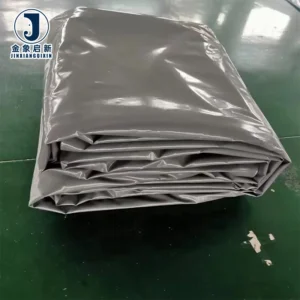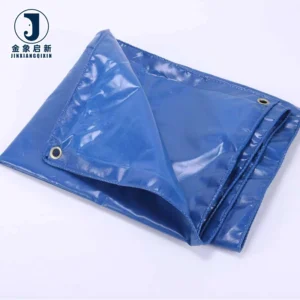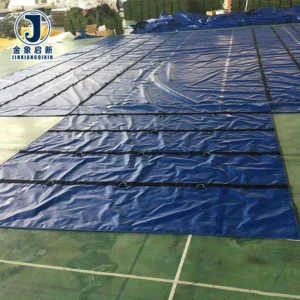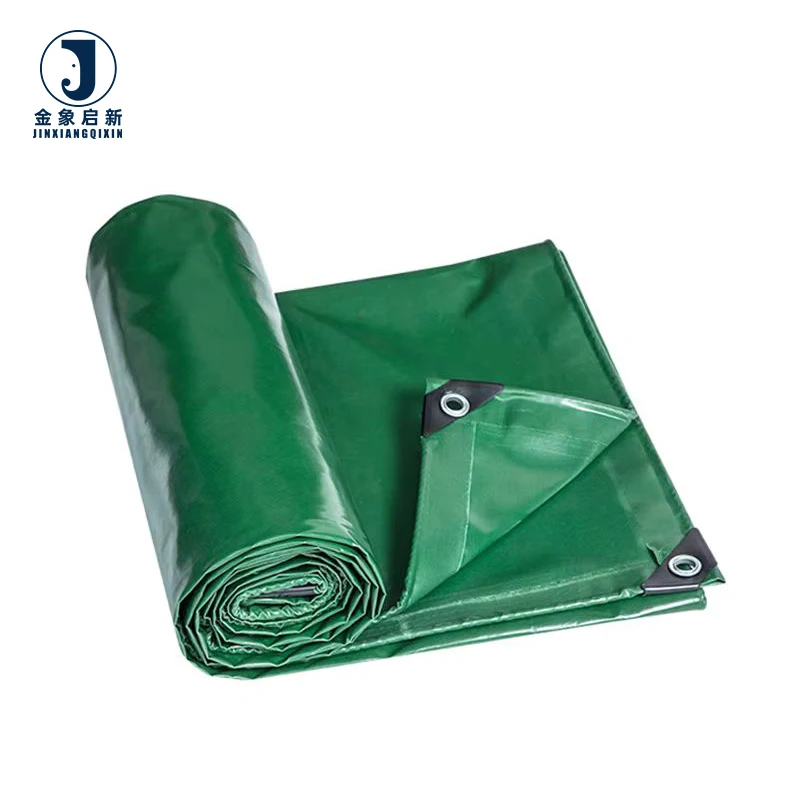
Proven Process Control — Coating weight and adhesion are managed at every production stage, with dedicated QA/QC inspecting every roll of PVC coated tarpaulin for truck cover before it leaves the facility.
Technical Specifications
| Parameter | Value |
|---|---|
| Product Type | PVC Coated Tarpaulin |
| Weight Options | 500gsm, 600gsm, 700gsm, 850gsm, 900gsm |
| Base Fabric | PVC Coated Polyester |
| Waterproof | Yes — fully coated construction |
| Flame Retardant | Available in flame retardant grades — confirm the grade required for your market |
| Anti-Static | Available in anti-static grades — confirm the standard required for your transport route |
| Anti-Cold Treatment | Available |
| Anti-Mildew Treatment | Available |
| Custom Sizing | Cut to specific truck and trailer model dimensions |
Application Suitability
| Application | Exposure & Requirement |
|---|---|
| Articulated trailer side curtains | Constant flexing at load shift points, road spray abrasion, UV exposure over multi-year routes |
| Top covers for flatbed trailers | Direct weather exposure, wind lift stress on eyelets and hems, tie-down strap friction |
| Construction equipment covers on trucks | Dust ingress prevention, repeated fitting and removal, abrasion from sharp-edged loads |
| Refrigerated trailer outer wraps | Low-temperature flexibility, condensation resistance, mildew prevention in humid corridors |
Why a Generic-Size PVC Tarpaulin for Truck Cover Costs More Than You Think
A truck cover cut to a generic rectangle will always have slack somewhere — and slack is where flapping, seam stress and early failure begin.
I have watched fleet operators go through two or three replacement covers in the time a model-specific pattern would have lasted. The generic PVC coated tarpaulin for truck cover does not account for the difference between a 13.6-metre curtainsider and a step-frame trailer, so the fabric bunches at the rear, the welded seams pull unevenly, and the first tear appears within months at a hem corner [NEED_CITE: dimensional variance between standard trailer types in European and North American markets]. The cost is not just the replacement fabric — it is the downtime for re-fitting, the cargo damage claim from a weather breach, and the credibility hit with the logistics customer who expected a sealed load.
Pattern-Cut to Your Trailer, Not to a Stock Dimension
When a PVC coated tarpaulin for truck cover is produced against a specific vehicle model number, every panel, seam allowance and eyelet position aligns with the actual structure of that trailer. Side curtain panels match the buckle spacing, top covers sit flush without pooling water at low points, and rear flaps close without leaving a gap that invites road spray. This is the difference between a cover that works with the vehicle geometry and one that fights it.
Reinforcement Where the Load Flexes Most
Welded seams on truck covers fail first at the points where the load moves against the fabric during braking and cornering. On a standard curtain-side trailer, those flex points sit just above the bolster stakes and at the lower hem where the strap tension concentrates. Specifying reinforced hems and additional weld overlap at these zones shifts the failure mode — the fabric outlasts the seam rather than the other way around [NEED_CITE: coated fabric weld strength versus base fabric tensile per ISO 1421 test methods].
Reading GSM in Context With the Base Fabric
A 500gsm PVC coated tarpaulin for truck cover built on a high-denier, tight-weave polyester base can outperform a 600gsm fabric made with a looser, lower-denier yarn in tear resistance. GSM tells you the total weight of coating plus base fabric per square metre, but it does not tell you how that weight is distributed. A heavier coating on a lighter base fabric gives surface durability but may not resist tear propagation at a puncture point. For truck covers that face strap tension and load-shift abrasion, the denier and weave density of the base fabric matter as much as the total GSM.
What Happens When Specification Is Wrong at the Start
Ordering a truck cover without confirming the anti-cold treatment for a fleet that runs northern winter routes leads to stiffening at low temperatures — the fabric cracks at fold lines rather than flexing. Similarly, specifying a flame retardant PVC coated tarpaulin for truck cover without obtaining the test report before dispatch means the load may be turned away at a regulated terminal because the documentation does not match the site requirement. These are not fabric failures; they are specification failures, and they are entirely preventable with the right questions asked before production starts [NEED_CITE: terminal compliance checks for flame retardant documentation in transport logistics].
What This Supply Chain Delivers
Every roll undergoes 100% inspection before dispatch, with GSM weight checked against the quoted value so what arrives matches what was specified. The production lines support custom width and length runs without the extended minimums that force smaller fleets to over-order. A dedicated R&D team develops pattern samples against your trailer model number within days, letting you confirm fit before full production begins. Fire-retardant and anti-static treatments are available with test documentation where the grade has been confirmed for your market. Batch-to-batch colour consistency is controlled at the coating stage, so covers delivered months apart still match when installed side by side on the same fleet.
Documentation & Verification
- GSM weight verification recorded per roll against the quoted value before dispatch
- Test report for flame retardant or anti-static grade supplied when specified and confirmed
- Pattern dimension confirmation sheet matched to target truck or trailer model number
- Pre-shipment inspection record covering seam integrity, eyelet pull strength and surface finish
- Roll packing list and certificate of origin included for customs and receiving checks
Fabrication, Handling & Storage
- Heat-weld seams at manufacturer-recommended temperature settings to match the PVC coating formulation across all weight options from 500gsm to 900gsm
- Store rolls horizontally on racking to prevent permanent creasing in the PVC coated polyester fabric, especially on heavier grades
- Use compatible PVC-based repair patches and solvent cement for field repairs on coated surfaces to maintain waterproof integrity
- Allow cold-stored rolls to reach ambient temperature before unrolling to avoid cracking the PVC coating in anti-cold treated grades
- Plan panel layout from full roll width to minimise off-cuts and reduce the number of welded joins in the finished truck cover
What to Include With Your Inquiry
Provide the truck or trailer make, model and year so that cover patterns can be developed against accurate dimensions. Confirm the operating environment — particularly whether low-temperature flexibility or flame retardant certification is required for your route or terminal — so the correct treatment is specified from the start. State the number of vehicles in the fleet and whether covers are needed as finished units or as roll stock for your own fabrication.
Frequently Asked Questions
Q: How is GSM verified on arrival against the quotation value?
A: Each roll is weighed and measured before dispatch, and the GSM result is recorded on the pre-shipment inspection sheet. You receive this record with your documentation so you can cross-reference the actual weight against the quoted specification without needing to conduct your own destructive testing on arrival.
Q: How do you ensure the truck cover fits a specific trailer model?
A: We develop a cutting pattern against the trailer model number you provide, producing a sample for fit confirmation before full production runs begin. Panel dimensions, buckle positions, and eyelet spacing are all set from the vehicle geometry rather than a generic size chart.
Q: What flame retardant or anti-static certification is supplied for regulated routes?
A: Where a specific grade has been confirmed during the inquiry stage, a test report for that grade is included in the dispatch documentation. We recommend sharing your terminal or route compliance requirement early so the correct treatment and certification are specified before production.
Q: How are welded seams reinforced at the flex points where the load moves most?
A: High-stress zones such as bolster stake areas and lower hem strap points receive additional weld overlap and reinforced fabric layers. This is confirmed on the pattern layout so reinforcement placement matches the actual load dynamics of your trailer configuration.
Q: What eyelet spacing and hem reinforcement options are available for tie-down systems?
A: Eyelet spacing is set to match the tie-down points on your specific trailer model, and hems are reinforced with additional fabric layers or rope inserts based on the strap tension your operation requires. These details are confirmed during the sample approval stage before bulk production.