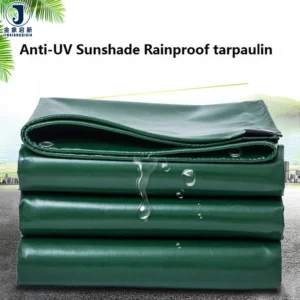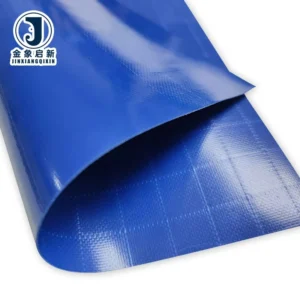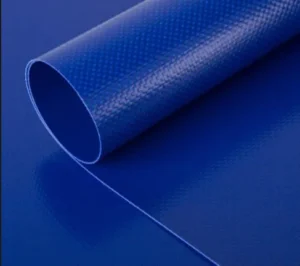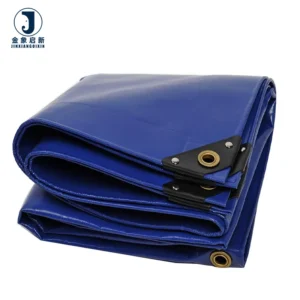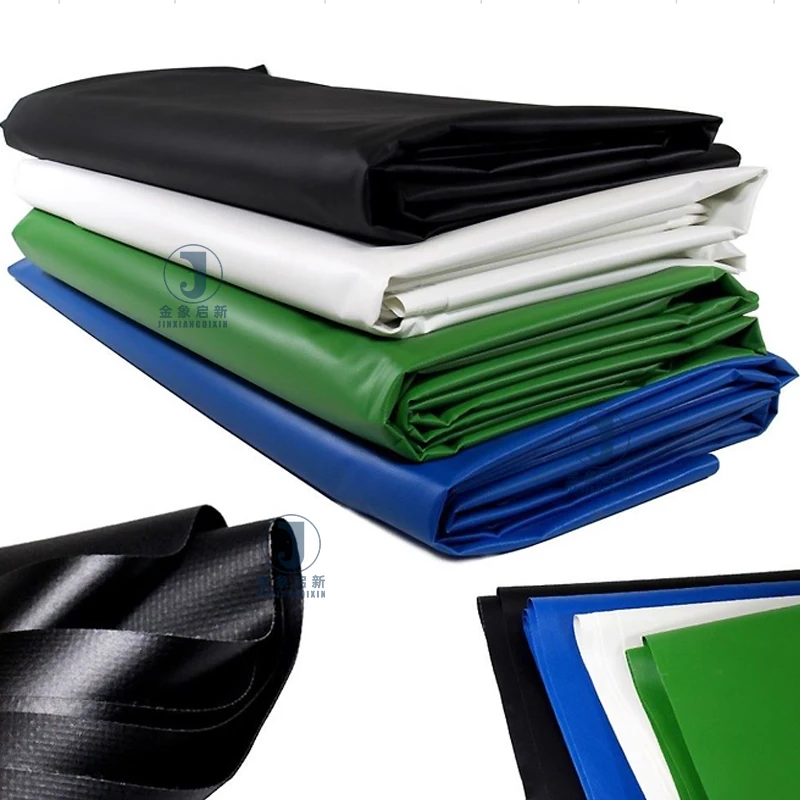
Coating Process Control — Every roll of PVC coated tarpaulin for trucks undergoes verified coating weight checks at multiple production stages to ensure the material leaving the facility matches the specification agreed at quotation.
Technical Specifications
| Parameter | Value |
|---|---|
| Product Type | PVC Coated Tarpaulin Fabric |
| Base Fabric | 100% high tenacity polyester yarns |
| Coating Material | PVC |
| Coating Technology | Laminated technology & Hot-melt Coating technology |
| Waterproof | Yes |
| Anti-Mildew | Yes |
| Anti-Static | Yes (grade not stated in source) |
| Cold Crack Resistance | Yes |
| Flame Retardant | Available as special treatment (grade not stated in source) |
| Anti-Cold | Available as special treatment |
| Color Fastness | Best color fastness (test basis not stated in source) |
| UV Treatment | Available (test basis not stated in source) |
| Outdoor Life | 3-5 years (source value — verify against manufacturer catalog) |
| Tearing Strength | Outstanding for welding (test standard not stated in source) |
| Standards | ISO, CE |
Application Suitability
| Application | Exposure & Requirement |
|---|---|
| Truck and trailer side curtains | Constant flexing at load points, road debris abrasion, repeated tie-down strap tension, UV and weather exposure |
| Flatbed load covers | Direct rain and wind contact, load shift friction, edge abrasion against trailer rails |
| Transport fleet replacement covers | Year-round outdoor parking, cold-start crack resistance in winter, colour matching across fleet |
| Side curtain fabric for equipment builders | Model-specific cut dimensions, reinforced hem and eyelet zones, weld integrity under vibration |
Why Generic Sizing Costs Fleets More Than the Cover Itself
A truck cover cut to a generic dimension will fail at the stress points first, regardless of fabric quality.
Fleet operators who order PVC coated tarpaulin for trucks without specifying exact trailer model dimensions typically receive covers that bunch at the corners or pull tight across the tie-down rails. The excess fabric flaps in transit, generating abrasion against itself, while the undersized sections place constant tension on welded seams. [NEED_CITE: field failure data on truck tarpaulin seam separation] The result is a cover that needs patching or full replacement well before the base fabric reaches its usable life, adding downtime and re-order costs that far exceed the initial price difference of a properly fitted cover.
How Laminated and Hot-Melt Coating Protects the Fabric-to-Coating Bond
The PVC coated tarpaulin for trucks in this range uses both laminated and hot-melt coating technology on a high-tenacity polyester base. Laminated coating bonds the PVC layer to the fabric under heat and pressure, creating a unified structure that resists delamination at flex points. Hot-melt coating adds further adhesion strength, particularly important where the cover folds over trailer edges or where eyelets bear tie-down loads. This dual-technology approach ensures the coating stays bonded even when the fabric undergoes repeated bending cycles during daily fleet operations.
Rip-Stop Base Fabric and Welded Seam Integrity
High-tenacity polyester yarns in a rip-stop weave pattern limit how far a tear can propagate once it starts. On a truck cover, the most vulnerable zone is the welded seam where two panels join — this is where the load flexes most during transit. The rip-stop construction arrests tear growth at the weave intersection, containing damage to a small area rather than allowing it to run along the full seam length. For fleet operators running side curtains or load covers, this directly translates to longer intervals between cover replacement and fewer roadside repairs. [NEED_CITE: tear propagation test methods for coated fabrics per ISO 1421]
Understanding the Specification Behind Truck Cover Performance
The base fabric being 100% high-tenacity polyester yarns provides dimensional stability that standard polyester or nylon cannot match — this matters for truck covers that must maintain their shape across wide panels without sagging between tie-down points. Laminated and hot-melt coating technology together create a coating-to-fabric bond that survives heat welding, meaning welded seams retain strength close to that of the parent fabric. Cold crack resistance ensures the PVC coating remains flexible in sub-zero conditions, preventing brittle fractures that occur when a frozen cover is folded or strapped down. Anti-mildew treatment prevents biological growth on the inner surface, a common issue where condensation forms between the cover and the load during temperature fluctuations.
The Cost of Colour Drift Across a Fleet Order
When a fleet orders multiple truck covers in the same colour and the rolls arrive with visible shade variation, the covers installed side by side on adjacent trailers make the inconsistency obvious to every driver and customer who sees the fleet. [NEED_CITE: batch-to-batch colour consistency standards for coated fabrics] This is not a cosmetic complaint alone — it signals inconsistent coating formulation between rolls, which can also mean variation in UV stabilizer loading and flame retardant concentration. Covers from the same order may then age at different rates, with some panels fading or becoming brittle ahead of others, forcing operators into piecemeal replacement rather than fleet-wide scheduled changeovers.
Why Sourcing This PVC Coated Tarpaulin for Trucks Here Makes Sense
Three full production lines and dedicated equipment sets allow bulk roll output while maintaining coating consistency across an entire order. The R&D team handles material selection and sample development, producing custom-sized samples within days for fleet operators who need to confirm fitment on a specific trailer model before committing to a full order. Every roll undergoes inspection at each production stage, with pre-shipment checks verifying that the GSM, coating weight, and colour reference match the quotation specification. ISO and CE certification underpins the production system, and documentation packages travel with every shipment to support customs clearance and site compliance.
Documentation & Verification
- Material specification sheet stating base fabric denier, coating method, and colour reference for each roll
- Pre-shipment inspection record confirming verified GSM and coating weight against the agreed quotation
- Test report documentation for flame retardant and anti-static treatments where these are specified in the order
- Colour reference documentation ensuring batch traceability across multiple rolls in a single fleet order
- ISO and CE certificates included with dispatch documentation for site compliance
Fabrication, Handling & Storage
- Heat-weld seams using temperature and dwell settings matched to the laminated and hot-melt coating structure
- Reinforce eyelet zones at tie-down points to distribute load across the rip-stop base fabric
- Store rolls upright in shaded conditions to prevent flat-spot deformation of the PVC coating
- Allow cold-stored rolls to reach ambient temperature before unrolling to avoid cracking the anti-cold treated surface
- Clean with mild detergent only to preserve the anti-mildew and UV treatment layers
- Cut panels using the rip-stop weave grid as a guide to maintain tear arrest properties at edges
What We Need to Move Your Enquiry Forward
Provide the exact trailer make, model, and year for each vehicle in your fleet so that covers can be sized to the specific frame dimensions rather than generic measurements. Confirm whether your operating region requires flame retardant or anti-static certification and which standard your site or local regulations reference. Indicate the quantity of covers needed, the colour or colours required, and whether you need finished covers with eyelets and hems or roll stock for your own fabrication.
Frequently Asked Questions
Q: How is truck cover sizing confirmed against specific trailer models before cutting?
A: We request the trailer make, model, and frame dimensions, then develop a sample cover for physical fitment check before production. This confirms clearance at all corners, tie-down points, and access panels. Generic cut sizes are never used — each cover is matched to the specific vehicle geometry to prevent excess fabric or tension failures.
Q: What reinforcement options are available at eyelet, hem, and tie-down stress points?
A: Reinforcement depends on the load type and strap configuration of your trailer. Hems can be folded and welded with additional PVC strip overlays, and eyelet zones receive extra fabric layers to distribute tie-down tension across the rip-stop base fabric. We confirm the reinforcement specification during the sample stage based on your operational load-securing method.
Q: How does rip-stop base fabric prevent tear propagation at welded seams?
A: The rip-stop weave creates a grid of heavier yarns that arrest a tear at each intersection, stopping it from running along the full seam length. This is critical at weld lines where the cover flexes most during transit. Damage stays localised to a small zone that can be patched, rather than requiring a full panel replacement.
Q: How is batch-to-batch colour consistency maintained across multiple cover orders?
A: Colour is controlled against a confirmed reference standard, and every roll in an order is inspected for shade match before dispatch. Pre-shipment records document the colour batch reference, so re-orders can be matched to the original fleet specification. This prevents visible variation when covers are installed side by side on adjacent trailers.