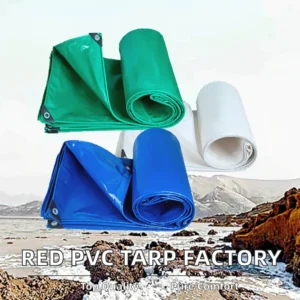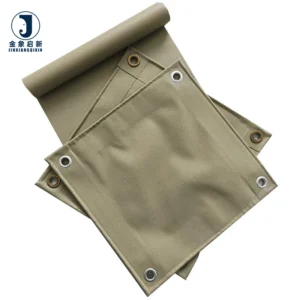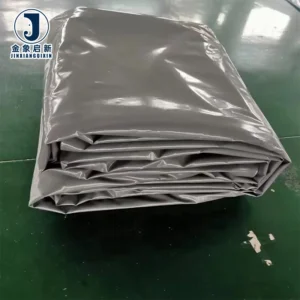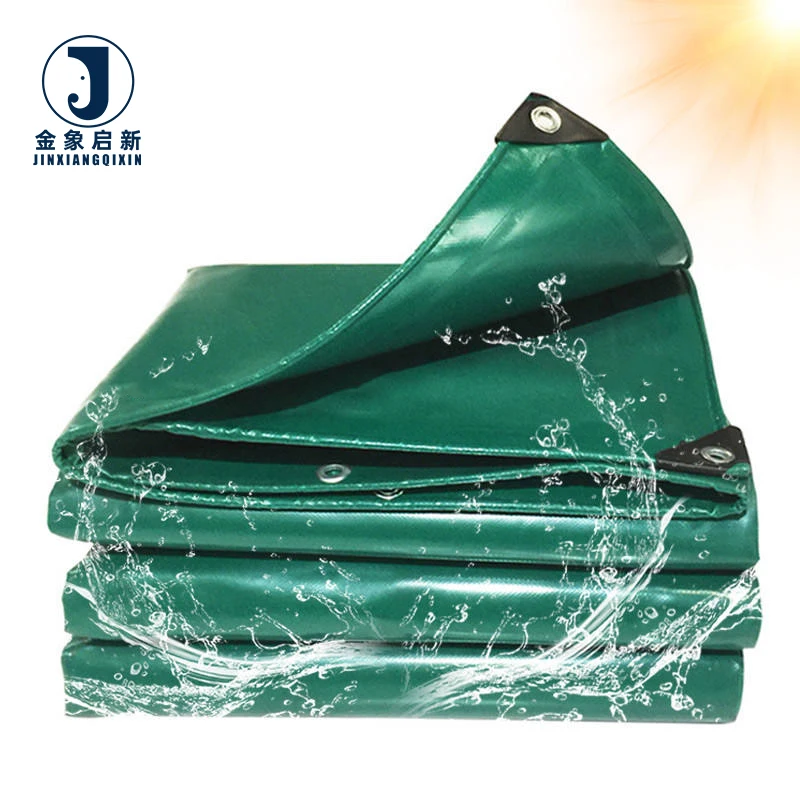
Model-Fit Precision — Covers are patterned to specific truck and trailer body dimensions rather than cut from generic sheet stock, eliminating the rear-door gaps and high-side ride-up that expose cargo on regional haul routes.
Technical Specifications
| Parameter | Value |
|---|---|
| Product Type | PVC Coated Tarpaulin |
| Coating Material | PVC Vinyl |
| Base Fabric | Woven Fabric |
| Weight | At least 450 grams |
| Waterproof | Yes (grade/test basis not stated in source) |
| Key Features | Waterproof, tear-resistant woven construction, compatible with eyelet and welded hem finishing |
Application Suitability
| Application | Exposure & Requirement |
|---|---|
| Curtain-sider trailer side curtains | Constant flexing at roller guides, road spray, lateral wind load, tension from tie-down hardware |
| Flatbed top covers | Direct weather exposure, abrasion from load contact, UV radiation during yard storage |
| Equipment shrouds on transport trailers | Vibration-induced fabric-to-metal rubbing, rain ingress at seams, repeated removal and re-fitting |
Why the Wrong Cover Weight Costs Fleet Operators More Than Fabric Replacement
The cover that fails first is rarely the heaviest one — it is the one specified without considering how the load flexes in transit.
When a side curtain tears along a welded seam six months into service, the invoice for a replacement panel is only the beginning. The unplanned trailer downtime, the rescheduled delivery slots and the freight claims from water-damaged cargo compound the loss quickly. Fleet managers who specify PVC coated tarpaulin for truck and transport covers based on quoted GSM alone often discover that two fabrics with identical weight can behave very differently once they are tensioned across a moving trailer frame. [NEED_CITE: tensile and tear test methods for coated fabrics per ISO 1421]
Cover Dimensions Matched to the Trailer, Not the Other Way Around
Generic-size tarpaulins rarely sit flush against a curtain-sider trailer’s rear doors or track rail. The resulting gaps invite road spray and allow wind to lift the fabric during transit. Every PVC coated tarpaulin for truck and transport covers produced for fleet application is cut to a fitment sheet built from the specific vehicle make, body length and door configuration. This model-fit approach removes the need for on-site trimming and ensures the hem line aligns with the trailer’s tie-down rail.
Welded Seams Where Flex Is Greatest
A stitched seam introduces needle holes through the woven base fabric, creating a line of perforations that can propagate a tear under repeated flexing. Hot-air welded seams bond the PVC vinyl coating layers without penetrating the base cloth, so the joint retains the same tear resistance as the parent material. On side curtain applications, this matters most at the roller guide zones where the fabric folds and unfolds hundreds of times per week. [NEED_CITE: welded seam peel strength requirements for coated fabric per ISO standards]
Reading GSM in Context With Base Fabric Density
Weight alone tells only part of the story. A 450-gram fabric built on a dense, fine-denier woven base will resist tear propagation differently from one that achieves the same weight through heavier coating on a looser weave. The coating thickness influences waterproof barrier performance, while the base fabric denier and thread count govern how far a puncture or edge nick will spread before it is arrested. For side curtain applications where the cover is tensioned across rollers and buckles, base fabric integrity at stress points is as important as total GSM.
The Hidden Cost of Colour Mismatch Across a Mixed Fleet
When replacement covers arrive in a shade that does not match the existing trailers, the fleet either lives with a visible panel mismatch or pays to re-wrap an entire trailer set for visual consistency. Batch colour variation is a frequent source of friction in multi-vehicle operations where covers are replaced on a rolling schedule rather than all at once. Confirming colour reference standards at quotation stage and requesting roll-to-roll inspection records before dispatch prevents the problem from surfacing at the depot. [NEED_CITE: colour fastness and batch consistency testing for PVC coated textiles]
Why Procurement Teams Source This Fabric Here
Deep process control over PVC vinyl coating weight and base fabric adhesion is maintained across three full production lines, giving fleet buyers reliable on-time delivery even during peak replacement seasons. A 10-person R&D team handles pattern development for new trailer models, producing cut-and-weld samples within days so fitment can be validated before a fleet-wide order is released. Every roll undergoes dedicated QA inspection at coating, winding and packing stages, with a pre-shipment inspection record documenting actual weight against the quoted specification. Near three decades of coated fabric production experience means the welding parameters for each GSM grade are dialled in from prior runs, not guessed on a first-time order.
Documentation & Verification
- Weight verification per roll against the stated GSM before dispatch
- Material specification sheet stating base fabric weave, coating type and waterproof basis
- Trailer model fitment sheet matching cover dimensions to vehicle make and body length
- Welded seam photographic record at high-flex zones before shipment
- Certificate of origin and customs documentation for cross-border fleet procurement
Fabrication, Handling & Storage
- Weld PVC vinyl seams using hot air at temperatures matched to the coating weight to avoid base fabric scorch
- Space eyelets at intervals specified for the woven base fabric density to distribute tie-down tension evenly
- Store rolls on their core in a dry, shaded area to prevent flat spots forming on the PVC coating surface
- Avoid dragging the coated surface over unpainted steel during installation to protect the waterproof layer
- Clean with mild detergent and soft brush; solvent-based cleaners may soften the PVC vinyl coating
- Use PVC-compatible repair tape for field patches, ensuring the adhesive bonds to the vinyl coating chemistry
What to Include With Your Enquiry
Provide the trailer make, model and body length so the cover pattern can be drafted to match. State whether the order requires finished covers with eyelets and welded hems or roll stock for in-house fabrication. If the fleet operates in markets with specific fire classification requirements for transport covers, note the applicable standard so the correct grade is quoted. Sample panels are available for fitment trials before committing to a fleet-volume order.
Frequently Asked Questions
Q: How do I confirm the tarpaulin weight on arrival matches what was quoted?
A: Request a pre-shipment inspection record that lists the measured GSM for each roll in your order. On receipt at the depot, weigh a known-area sample cut from the roll and compare it to the documented figure. Any discrepancy beyond normal production tolerance should be raised with the supplier before the cover is fabricated or fitted to the trailer.
Q: What eyelet spacing works best for high-tension side curtain use?
A: Spacing depends on the woven base fabric density and the tension the curtain rail applies. Closer intervals distribute load across more yarn groups, reducing the risk of tear-out at individual eyelets. Provide your trailer’s tie-down rail specification so the reinforcement pattern can be matched to the actual hardware loading on the PVC coated tarpaulin for truck and transport covers.
Q: How are cover dimensions matched to my specific trailer model?
A: A fitment sheet is built from the vehicle make, body length, door configuration and curtain track type. The pattern accounts for hem allowance, eyelet placement and overlap at joints. A sample panel is produced and shipped for physical trial on the trailer before the full fleet order enters production, ensuring the dimensions translate correctly from drawing to fitted cover.
Q: Do welded seams outperform stitched seams on moving load covers?
A: Welded seams bond the PVC vinyl layers without puncturing the woven base fabric, so there are no needle holes to act as tear-initiation points under flexing. On side curtains that fold and unfold repeatedly, this keeps the joint intact longer than a stitched seam, which introduces a perforation line along the stitch path. Weld parameters are adjusted to the coating weight for consistent peel strength.
Q: Can replacement covers match the colour of my existing fleet curtains?
A: Batch colour consistency is achievable when the colour reference is locked at the quotation stage. Provide a physical sample or a standard colour code from your current covers. Request roll-to-roll inspection documentation before dispatch so any shade variation is caught before the covers reach your depot, avoiding a visible mismatch when fitted alongside existing panels.