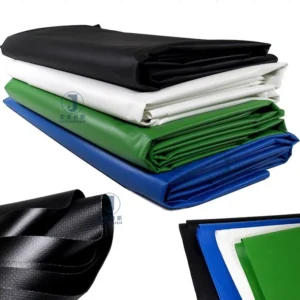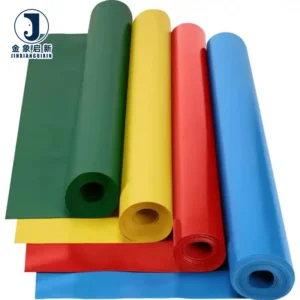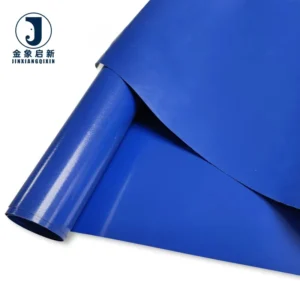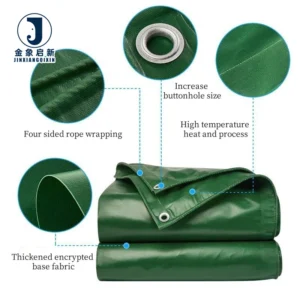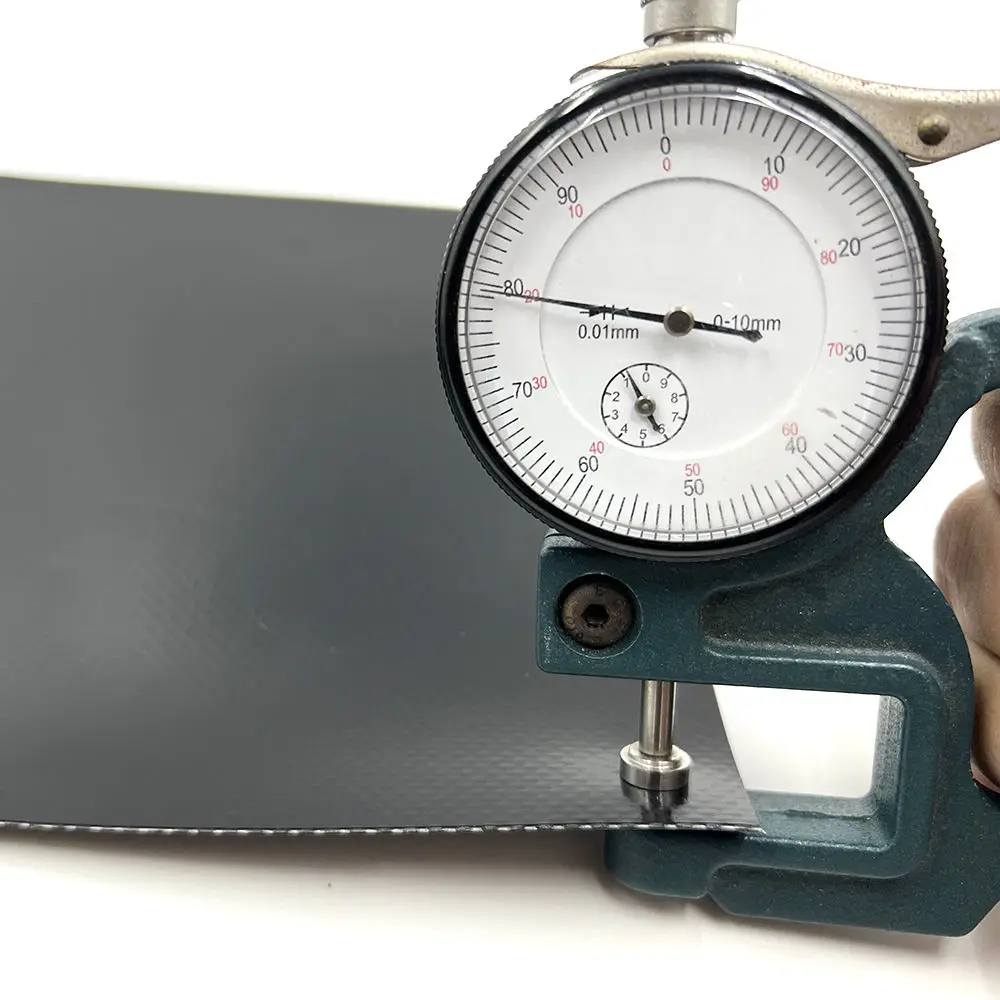
Deep Process Control Over Coating Adhesion — Nearly 30 years focused on coated fabric, with rigorous control over coating weight and adhesion, directly reducing delamination at high-flex zones in truck and transport covers.
Technical Specifications
| Parameter | Value |
|---|---|
| Product Type | PVC Knife Coated Tarpaulin Roll |
| Coating Material | PVC |
| Coating Method | Knife coated |
| Color | Gray |
| Key Features | Waterproof, UV resistant, antibacterial, mildew proof, oil and stain resistant, acid and alkali resistant, anti-oxidation, self-cleaning |
| Temperature Resistance | High temperature and cold resistant (specific range not stated in source) |
| Fire Retardant | Available (grade not stated in source) |
| Tensile Strength | Excellent (source value — verify against manufacturer catalog) |
| Tear Resistance | Excellent (source value — verify against manufacturer catalog) |
| Peeling Resistance | Excellent (source value — verify against manufacturer catalog) |
| Welding Options | HF (High Frequency), Hot Air, Sewing |
Application Suitability
| Application | Exposure & Requirement |
|---|---|
| Truck side curtains | Constant flexing, road abrasion, continuous UV exposure, tie-down stress at eyelets |
| Flatbed trailer covers | Heavy load flex, weather and rain ingress, road debris impact |
| Custom-fit vehicle covers | Model-specific cut patterns, reinforced seams at panel joints, wind lift resistance |
| Airport and portable storage structures | Tensile loading, wind shear, membrane tension, UV degradation |
| Stadium and shade structures | Architectural tension, sustained sun exposure, thermal expansion |
Why Welded Seams Fail Before the Fabric Does
A truck cover is only as strong as its weakest welded seam.
Many fleet operators replace tarpaulins because the seams split at high-flex points — not because the fabric itself tore. The adhesion between the PVC coating and the base fabric dictates whether a hot-air or HF weld holds through thousands of kilometers of load flex and road vibration. [NEED_CITE: tensile and peel test methods for coated fabrics per ISO 1421] When adhesion is inconsistent, the weld lifts at the interface between coating and yarn, and the failure propagates along the seam line. This PVC knife coated tarpaulin for truck and transport cover is built to ensure that the weld itself becomes the structural equal of the parent material, so the fabric fails first — not the joint.
Knife Coated PVC Construction for Fleet Demands
The knife coating process forces the PVC compound directly into the base fabric weave, creating a mechanical bond that resists delamination under repeated bending. This makes the PVC knife coated tarpaulin for truck and transport cover suitable for side curtains that fold and unfold daily, and for top covers that stretch under tie-down tension. The coating-to-yarn adhesion is the first line of defence against seam failure at flex points.
Welding Compatibility Across Fabrication Methods
Fabricators can choose HF welding for high-speed panel joining, hot air welding for field repairs and custom edge profiles, or sewing for applications requiring mechanical reinforcement with thread. The material responds predictably to all three methods, giving transport equipment builders flexibility in how they construct trailer covers. The self-cleaning surface means less preparation before welding and cleaner seam lines in finished products.
What the Specification Sheet Actually Tells You
Knife coated PVC differs from laminated or calendered alternatives in how the coating penetrates the base fabric. This penetration creates a bond that withstands peeling forces — critical where eyelets and hems transfer tie-down loads into the fabric body. The antibacterial and mildew proof treatment matters in humid transport environments where rolled tarps can trap moisture between the load and the cover. Oil and stain resistance reduces maintenance for fleets carrying industrial cargo, while acid and alkali resistance protects against chemical spillage during transit. [NEED_CITE: DIN 4102 fire classification for building materials] The fire retardant option is available, but the specific grade must be confirmed to match your market’s transport fire standard before placing volume orders.
The Hidden Cost of Specifying on GSM Alone
When procurement decisions rely only on weight, fleets often receive material that looks right on paper but tears at the first flex cycle. GSM measures total mass per square meter, but it does not tell you how that mass is distributed between base fabric and coating. A roll with high coating weight but low denier yarn will peel at the weld; a roll with high denier but thin coating will not hold an HF weld at all. [NEED_CITE: relationship between denier, mesh count and tear propagation in woven base fabrics] For truck covers, the balance between yarn strength and coating adhesion is what determines whether the tarpaulin survives its first winter or gets replaced before the next hauling season.
Why Sourcing Here Reduces Fleet Downtime
Deep coating process control means the adhesion between PVC and base fabric is consistent from the first roll to the last in a multi-roll order, so fabricators do not have to adjust welding parameters mid-production. The 10-person R&D team develops samples within days when custom widths, colours or treatment grades are needed. Dedicated QA/QC runs at every production stage, with 100% inspection before shipment catching colour variation, GSM deviation and coating defects before they reach your loading dock. The three full production lines and 36 sets of professional equipment support the volume required by fleet-scale replacement programmes without extended lead times.
Documentation & Verification
- GSM and coating weight verified per roll against stated specification before dispatch
- Test report for UV resistance and fire retardant grade supplied where treatments are specified
- Pre-shipment inspection record confirming colour consistency across rolls in the same order
- Material specification sheet detailing base fabric construction and PVC coating composition
- ISO and CE certificates included with customs and origin documentation
Fabrication, Handling & Storage
- Use HF or hot air welding for seams on this knife coated PVC material; calibrate temperature to coating thickness
- Reinforce eyelet zones with additional fabric patches to distribute tie-down loads across the base weave
- Store rolls upright on pallets to prevent creasing and permanent deformation of the PVC surface
- Unroll flat at ambient temperature before fabrication; cold material may crack when folded sharply
- Clean with mild detergent only; solvents can degrade the self-cleaning surface and affect UV treatment integrity
- Plan panel layout to minimise transverse welds across the roll width, preserving seam strength at flex points
Before You Send Your Inquiry
To get an accurate specification and quotation, share the truck or trailer model you are covering, the operating environment (highway, off-road, coastal), and the annual volume of roll stock or finished covers you require. If your market mandates a specific fire retardant grade or UV test standard, state the regulation reference so the correct treatment grade can be confirmed. Provide target roll width and whether you need raw rolls for in-house fabrication or cut-to-size panels.
Frequently Asked Questions
Q: How is GSM verified on arrival and what documentation accompanies each roll?
A: Each roll ships with a specification sheet stating the agreed GSM, base fabric construction and coating weight. A pre-shipment inspection record documents the 100% QC check performed before dispatch, including weight verification. You can cross-check the physical roll against these documents on arrival and raise any discrepancy before fabrication begins.
Q: Which flame retardant grade does this fabric carry and does it meet my market’s transport fire standard?
A: Fire retardant treatment is available, but the specific grade must be matched to your regional transport or construction regulation. Share the standard reference (such as DIN 4102, NFPA 701 or M2) at inquiry stage, and a compliant grade will be selected and documented with the corresponding test report for your records.
Q: What UV test basis supports the outdoor life claim for truck cover applications?
A: UV resistance is included in the standard treatment, but the test basis and exposure duration are not stated generically. Request the UV test report for the specific roll batch before committing to volume. The report will confirm the test standard used and the exposure hours or cycles the material has passed.
Q: How do I specify HF versus hot air welding for tarpaulin seams on trailer curtains?
A: HF welding suits high-speed panel joining in factory settings, producing clean, consistent seams. Hot air welding is preferred for on-site repairs and custom edge profiles where portability matters. The knife coated PVC construction responds to both methods, so your choice depends on fabrication volume and seam geometry.
Q: What eyelet and reinforced hem options are available for tie-down points on truck covers?
A: Eyelet placement and hem reinforcement are specified at the fabrication stage based on your trailer model and tie-down pattern. Request that the supplier confirms compatible eyelet spacing and reinforcement patch material for the PVC knife coated fabric to ensure tie-down loads distribute correctly without tearing the base weave.