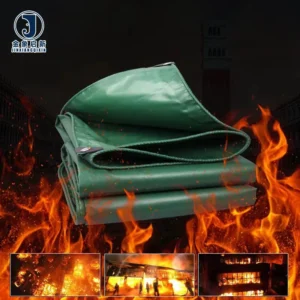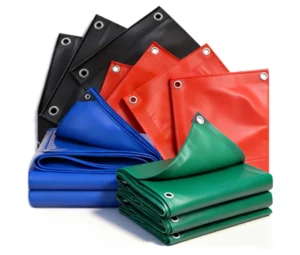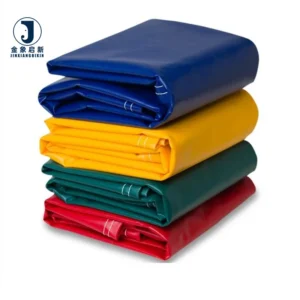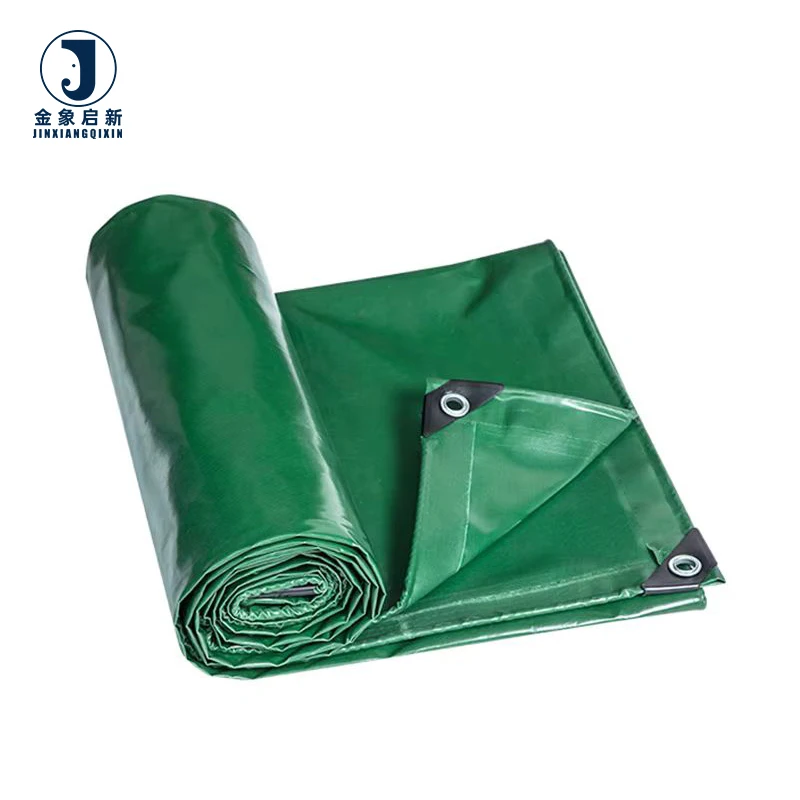
Proven Coating Consistency — every roll of PVC coated tarpaulin fabric for truck and transport covers leaves our Jinan facility with verified GSM and documented batch colour match, eliminating the material surprises that cause fleet downtime.
Technical Specifications
| Parameter | Value |
|---|---|
| Product Type | PVC Coated Tarpaulin Fabric |
| Material | PVC Vinyl Coated Woven Fabric |
| Weight | At least 450 GSM (source value — verify against manufacturer catalog) |
| Fabric Construction | Woven base fabric |
| Waterproofing | Fully waterproof |
| Surface Treatment | Anti-UV, wear-resistant |
| Standards | ISO, CE |
Application Suitability
| Application | Exposure & Requirement |
|---|---|
| Truck and trailer load covers | Highway abrasion, constant wind flex, UV exposure, water ingress prevention |
| Side curtain fabric for transport fleets | Repetitive folding and unfolding, tie-down stress at eyelet zones, road debris impact |
| Construction site equipment covers | Prolonged outdoor weathering, UV radiation, puncture risk from sharp edges |
| Industrial tarpaulin fabrication | Heat-welded seam integrity, colour consistency across fabricated panels |
| Agricultural and aquaculture covers | Moisture saturation, organic chemical exposure, mechanical wear from handling |
Why Stated GSM Rarely Matches What Arrives on the Dock
Coating weight control during production determines whether the fabric you specified is the fabric you receive.
Fleet operators and transport equipment builders routinely open containers to find PVC coated tarpaulin fabric for truck and transport covers that feels noticeably lighter than the sample approved weeks earlier. The base fabric may be correct, but the coating layer applied during finishing can vary between production runs, reducing overall mass and, more critically, the abrasion resistance the cover relies on at high-wear flex zones. When a side curtain thins out at the fold line, failure follows within months rather than seasons [NEED_CITE: tensile and tear test methods for coated fabrics per ISO 1421].
How the Base Fabric Weave Dictates Curtain Lifespan
The woven base fabric beneath the PVC vinyl coating carries the structural load every time a truck side curtain is tensioned against crosswind or pulled open at a loading bay. Denier and weave density together determine how well the yarns resist pulling apart under point loads, such as those concentrated at tie-down straps and reinforced hem lines. A loosely woven base may accept coating easily during manufacture but offers less resistance to tear propagation once a small cut initiates from road debris contact. Selecting the correct PVC coated tarpaulin fabric for truck and transport covers requires understanding this relationship between base construction and finished performance.
Weld Behaviour at the Flex Points That Decide Cover Life
Heat-welded seams on truck covers and side curtains face cyclic stress every time the vehicle corners, brakes, or encounters crosswinds. The coating formulation directly controls how cleanly the material fuses at the overlap, and inconsistent coating adhesion produces welds that delaminate before the surrounding fabric shows any sign of wear. Fabricators working with PVC coated tarpaulin fabric for truck and transport covers need material that holds a stable weld window — where temperature and dwell time produce a bond that matches or exceeds the base fabric tear strength [NEED_CITE: heat-welded seam performance standards for PVC coated textiles].
Reading the Specifications Beyond the Headline Weight
The stated weight of at least 450 GSM (source value — verify against manufacturer catalog) provides a starting reference, but GSM alone does not reveal how that mass is distributed between base fabric and coating layers. A heavier coating over a lighter base may achieve the target weight while sacrificing tear resistance; a balanced construction puts enough yarn in the weave to handle mechanical stress and enough coating to seal against water and UV. Anti-UV and wear-resistant surface treatment further modifies how the finished material behaves under continuous highway sun exposure, and verifying that treatment with a test report rather than a catalogue claim is what separates a durable cover from one that chalks and embrittles mid-season.
The Real Cost When Specifications Are Taken on Trust
A fleet that fits side curtains from a batch where colour drifted between rolls faces a visible mismatch across adjacent panels — a cosmetic problem that undermines brand presentation and triggers rejection by the client. More structurally, a welded seam that parts at the first heavy crosswind exposes the load beneath and forces an emergency repair on the roadside, generating downtime costs that dwarf the original fabric saving. GSM shortfalls discovered only after installation mean the entire cover set may need replacement sooner than the maintenance schedule allowed, compressing budgets and eroding confidence in the supply chain [NEED_CITE: DIN 4102 fire classification for building materials].
Why Transport Builders Source This Fabric Here
Three full production lines in our Jinan facility allow dedicated scheduling for transport-grade PVC coated tarpaulin fabric runs, so fleet orders do not queue behind unrelated industrial contracts. A ten-person R&D team develops samples against your specific trailer model dimensions and reinforcement layout within days, reducing the gap between initial enquiry and approved prototype. Dedicated QA and QC at each production stage — from base fabric inspection through coating weight verification to final roll packing — catches deviation before it ships. Colour matching is confirmed across all rolls in a single order before dispatch, preventing the panel mismatch that causes site rejection. Full documentation accompanies every shipment, giving fleet maintenance teams the traceability they need for compliance audits.
Documentation & Verification
- Material specification sheet confirming base fabric construction and stated coating weight per roll
- Weight verification record measured against the stated GSM before dispatch
- Anti-UV test report matched to the production batch supplied
- Pre-shipment inspection record covering colour consistency across all rolls in the order
- Roll packing list with individual roll identifiers for traceability
- Certificate of origin and customs support documentation for cross-border shipment
Fabrication, Handling & Storage
- Set heat-weld temperature and dwell time to match the PVC vinyl coating formulation for clean seam fusion
- Reinforce eyelet zones with additional patch layers to distribute tie-down loads across the woven base fabric
- Store rolls upright on pallets in shaded conditions to prevent flat spots and surface marking on the coating
- Allow cold-stored rolls to reach ambient temperature before unrolling to avoid cracking the wear-resistant surface
- Use mild detergent and soft brush for cleaning; avoid solvent-based products that attack the PVC coating layer
- Plan panel cutting layout to minimise off-cuts and position weld seams away from highest-flex zones on the curtain
What We Need to Quote Accurately
Share the specific truck or trailer models the covers must fit, along with the operating environment — highway long-haul, urban delivery, or off-road construction access. Confirm the anti-UV or flame-retardant grade your market requires so we align test reports to your compliance standard. Advise whether you need fabric supplied by the roll for in-house fabrication or finished covers cut and welded to dimension, and indicate your target colour reference or whether standard stock colours are acceptable.
Frequently Asked Questions
Q: How is the fabric weight verified before the rolls ship?
A: Each roll is weighed and measured against the material specification sheet during pre-shipment inspection. A weight verification record accompanies the documentation pack, showing the actual GSM measured on that production batch. This gives you traceable confirmation that the PVC coated tarpaulin fabric for truck and transport covers matches what was quoted, not just a nominal catalogue figure.
Q: Can colour remain consistent if I order multiple rolls for one fleet?
A: Yes. All rolls allocated to a single order are produced in the same coating run and checked side by side under controlled lighting before packing. A colour consistency confirmation is included in the pre-shipment inspection record. This prevents the visible panel mismatch that occurs when rolls from different batches end up on the same vehicle.
Q: What UV or flame-retardant documentation comes with the fabric?
A: Where anti-UV or flame-retardant treatment is specified, the corresponding test report is matched to the batch supplied and included in the shipment documentation. Available grades depend on your market’s regulatory framework, so confirm the specific standard your compliance body requires — such as B1, M2, or NFPA 701 — at the enquiry stage.
Q: How do you handle custom widths and eyelet spacing for specific trailers?
A: Custom width, length, eyelet spacing, and reinforced hem specifications are agreed during the sample development phase before full production begins. The ten-person R&D team prepares prototype panels to your trailer model dimensions, allowing you to verify fit and reinforcement placement. Once approved, production follows the locked specification across the entire order.
Q: What is the process for approving material before a full order?
A: After initial enquiry, we provide a specification recommendation and develop sample panels reflecting your required weight, colour, and treatment. You evaluate the sample for weld behaviour, flexibility, and finish. Once approved, production proceeds with in-process QA at every stage, and the approved sample serves as the benchmark for pre-shipment inspection.