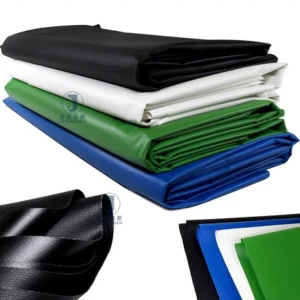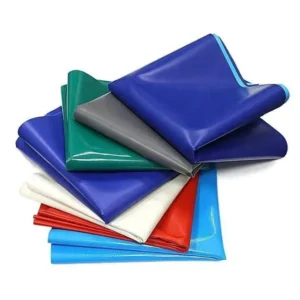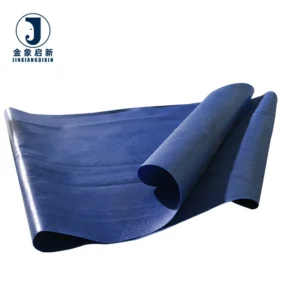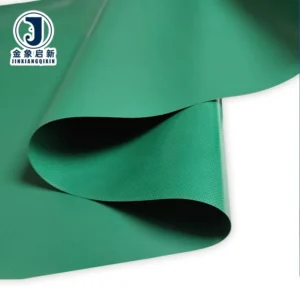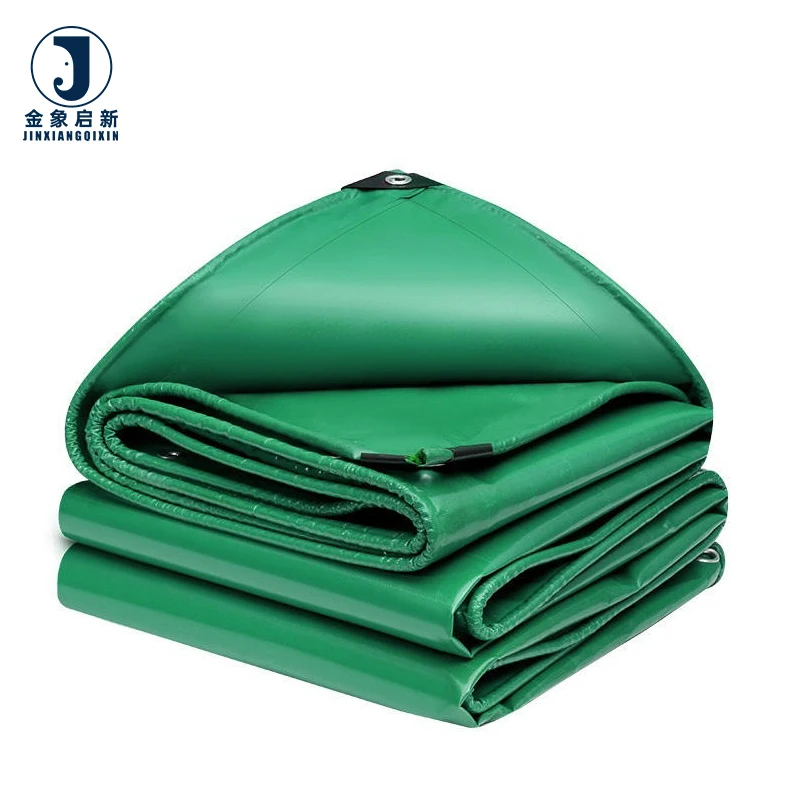
Purpose-Built Farm Shelter Fabric — Warp-knitted base combined with PVC coating delivers tear resistance and waterproof protection for livestock housing where wind flex and moisture exposure are daily realities.
Technical Specifications
| Parameter | Value |
|---|---|
| Product Type | PVC Coated Tarpaulin |
| Coating Material | PVC |
| Base Fabric | Woven warp knitted polyester |
| Style | Plain |
| Waterproof | Yes |
| Anti-Static | Available — grade not confirmed; verify test basis for your market |
| Finish | Customizable color options |
| Application Design | Poultry, pig, sheep and broiler farm shelter covers |
Application Suitability
| Application | Exposure & Requirement |
|---|---|
| Poultry house sidewall and roof covers | Continuous moisture contact, ammonia-rich air, wind-driven rain on open-sided structures |
| Pig and sheep shelter enclosures | Abrasion from animal contact, manure splash, frequent washdown with pressurized water |
| Broiler rearing tent structures | Seasonal UV and thermal cycling, need for light control and rapid deployment |
| Livestock shade and quarantine canopies | Direct sun exposure, dust and feed particle accumulation, wind uplift on temporary frames |
Why Farm Covers Fail Before the Season Ends
A farm cover that splits at the hem or delaminates mid-season leaves livestock exposed and forces emergency patching under pressure. Material grade and coating integrity must be verified before the tarpaulin goes over the pen — not after the first storm.
PVC coated tarpaulin for farm cover aftermarket supplier orders often arrive with GSM lighter than quoted, reducing tensile reserve exactly where wind load concentrates at tie-down points. Anti-static treatment claimed on the invoice but unsupported by a test result means static discharge risk persists around dry feed stores. Panels cut to generic dimensions leave gaps at frame joints, allowing rain ingress that defeats the entire shelter purpose [NEED_CITE: common failure modes in agricultural PVC-coated fabric installations].
Covering Livestock Housing Without Compromise
Jinxiang PVC coated tarpaulin is manufactured with a warp-knitted polyester base that resists tear propagation when panels flex under wind load on open-sided poultry and pig shelters. The PVC coating forms a continuous waterproof barrier, preventing moisture penetration that would otherwise degrade the base fabric and create ammonia traps in livestock environments.
Anti-Static Considerations for Feed-Adjacent Environments
Static buildup around dry feed silos and dust-heavy enclosures is a genuine concern in intensive farming operations. Anti-static treatment is available for this PVC coated tarpaulin, but the specific grade and test basis should be confirmed against your local agricultural safety requirements before specifying. This avoids installing material that looks compliant on paper but fails verification during a site audit [NEED_CITE: anti-static test standards for agricultural enclosure fabrics].
Reading the Specification Sheet Beyond GSM
Coating weight and base fabric density together determine how the tarpaulin performs under sustained wind flex. A PVC coated tarpaulin with adequate GSM but a loosely woven base will tear at the eyelet line before the coating fails. The warp-knitted construction used here provides multidirectional yarn interlock, distributing stress across adjacent threads rather than allowing a single rip to propagate. The plain-style weave keeps the coating surface uniform, which matters when heat-welding seams on-site — uneven weave patterns create air pockets that weaken the weld bond. Color consistency roll-to-roll ensures adjoining panels match once installed on the same shelter, avoiding the visual patchwork that signals inconsistent material sourcing to a farm auditor.
What Happens When the Specification Is Wrong
Receiving rolls that are lighter than the quoted GSM means the coating is thinner, reducing waterproof lifespan and leaving the base fabric vulnerable to abrasion from frame contact. Color variance between rolls becomes visible the moment panels are installed side by side on a long poultry house, triggering rejection and replacement cost. Heat-welded seams that fail before the fabric itself does typically trace back to coating formulation inconsistency — the weld temperature that works on one batch burns through the next [NEED_CITE: weld failure analysis in PVC coated polyester tarpaulins]. These are not cosmetic issues; they are structural failures that expose livestock at the worst possible moment.
Why Procurement Teams Source This Fabric Here
Deep process control over coating weight and adhesion means the GSM on the pre-shipment inspection record matches the specification sheet you approved. Three full production lines and 36 sets of professional equipment support the volume consistency that farm operators need when covering multiple shelters across a single site. The 10-person R&D team handles custom color matching and panel sizing, developing samples within days so you can verify fit on your shelter frame before committing to full production. Dedicated QA/QC at every stage catches coating weight drift and color variance before rolls are packed, not after they arrive at your port. Every dispatch includes ISO and CE documentation, giving your compliance team the paperwork trail that agricultural audits demand.
Documentation & Verification
- Material specification sheet stating base fabric, coating weight, and color reference per roll
- GSM verification measured against the quoted value before dispatch approval
- Pre-shipment inspection record covering seam weld integrity and panel dimensions
- ISO and CE certificates included in the dispatch documentation package
- Roll packing list with batch traceability for multi-shelter farm projects
Fabrication, Handling & Storage
- Heat-weld seams at temperatures matched to the PVC coating thickness for consistent bond strength
- Reinforce eyelet spacing to match wind uplift load calculated for your shelter frame geometry
- Store rolls upright in shaded, ventilated areas to prevent PVC coating compression marks
- Avoid deploying panels below the coating’s cold-flex threshold to prevent micro-cracking at fold lines
- Use neutral-pH cleaners on the PVC surface to preserve coating integrity through repeated washdowns
- Plan panel layout to minimize cross-seams and maximize warp-direction strength on long shelter runs
What We Need to Quote Your Farm Cover Project
Provide the shelter frame model and panel dimensions so we can confirm sizing and eyelet placement. Specify whether you need anti-static treatment and which test standard your market requires. Indicate the color reference or RAL code and whether you need rolls or pre-cut panels with finished hems. Confirm your annual volume so we can lock batch consistency across multiple shipments.
Frequently Asked Questions
Q: How do I confirm the GSM matches my farm cover specification?
A: We provide a pre-shipment inspection record that documents the measured GSM for each roll against your approved specification sheet. You can also conduct a cut-and-weigh test on arrival using a standardized sample area. Any discrepancy is addressed before the container is sealed, not after it reaches your site.
Q: Can I get anti-static and flame-retardant treatment on the same tarpaulin?
A: Both treatments are available, but the specific grades must be confirmed against your local regulations. Provide the test standard your market requires — such as a recognized flame-retardant classification — and we will develop a sample with both treatments applied, supported by the relevant test documentation.
Q: What is the maximum custom width for a single-panel farm shelter cover?
A: Maximum single-panel width depends on the coating line capacity and the base fabric roll width available for your selected grade. We confirm the achievable width during the sample development stage, along with any seam placement recommendations for panels that exceed single-width limits on your shelter frame.
Q: How do you ensure color consistency when I order multiple rolls or panels?
A: Each production batch is run with controlled pigment dosing and checked against the approved color reference under standardized lighting. Rolls for a single project are grouped in the same batch wherever possible. The pre-shipment inspection record documents color uniformity verification before packing.
Q: What seam welding method is used, and how does it hold up under wind flex?
A: Hot-air wedge welding is the standard method for PVC coated polyester, creating a bond that fuses the coating layers without relying on adhesive. Weld strength is verified during in-process QA. The warp-knitted base fabric distributes flex stress away from the seam line, reducing the peel-back risk that causes premature joint failure on open-sided farm structures.