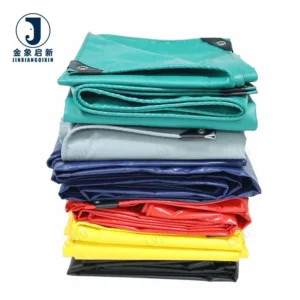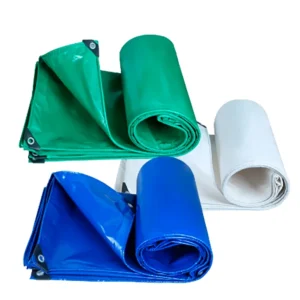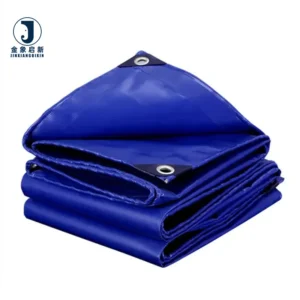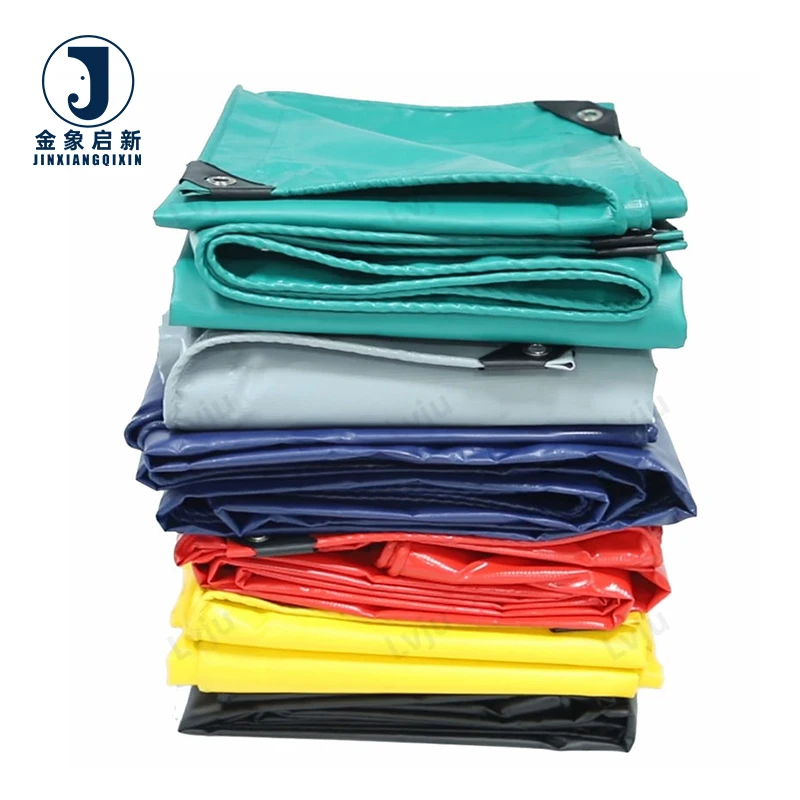
Cut-to-Model Precision — each cover is dimensioned to the specific truck or trailer frame with seam reinforcement mapped to high-stress flex zones, avoiding the generic-size mismatch that leaves cargo exposed.
Technical Specifications
| Parameter | Value |
|---|---|
| Product Type | PVC Knife-Coated Tarpaulin |
| Specification | 650GSM PVC Knife-Coated Tarpaulin |
| Base Fabric Denier | 1000D |
| Coating Material | PVC |
| Coating Method | Knife Coated |
| Weight | 650 GSM |
| Total Thickness | 0.70–1.0 mm (range covers product family — confirm the grade for this item) |
| Color | Black |
| Waterproof Rating | Waterproof |
| Tensile Strength (Warp/Weft) | Meridian 2000–2500 N / Latitude 1800–2200 N (test basis not stated) |
| UV Treatment | Available with UV treatment — confirm the test basis required for your market |
| Flame Retardant Grade | Available in flame retardant grades — confirm the grade required for your market |
| Anti-Static | Not confirmed |
| Surface Finish | Not stated |
| Eyelet & Hem Options | Not stated — specify spacing and reinforcement at inquiry |
| Standards | ISO, CE |
Application Suitability
| Application | Exposure & Requirement |
|---|---|
| Long-haul truck side curtain | Constant flexing at bow supports, road debris abrasion, UV from prolonged outdoor exposure |
| Flatbed trailer top cover | Tie-down strap friction at load edges, wind flap fatigue, rain and snow pooling |
| Heavy haulage equipment wrap | Sharp corner contact, loading and unloading abrasion, yard storage weathering |
| Curtain-sider replacement panel | Track rail friction at top hem, repeated roll-up and deployment cycles |
| Refrigerated trailer outer shell | Temperature cycling, condensation at panel joints, wash-down chemical contact |
Why Generic Sizing Costs More Than the Cover Itself
A replacement truck cover ordered in a standard width rarely fits the trailer properly — it either drags on the road, flaps in crosswinds, or pulls away from the rail at the top hem. This PVC knife-coated tarpaulin for truck and trailer is cut and welded to the exact vehicle dimensions you provide. [NEED_CITE: fleet operator survey on cover fitment complaints]
I have seen transport operators pay for a full curtain replacement, then spend additional downtime re-cutting hems and adding reinforcement patches because the supplied fabric was sized for a generic body length. The flex zones on a moving trailer — where the chassis twists over uneven road — concentrate stress at predictable points. When the cover is cut without accounting for those zones, the welded seams open first, long before the fabric itself fails. Sizing the PVC knife-coated tarpaulin for truck and trailer to the actual frame eliminates that mismatch from the start.
Covering a Moving Load at the Flex Points
Trailer side curtains flex thousands of times per trip as the chassis articulates. A PVC knife-coated tarpaulin for truck and trailer operating on long-haul routes endures repeated bending at bow supports, abrasion from internal load shift, and UV exposure during yard storage between runs. The 1000D base fabric in this grade provides a denser yarn structure at those flex zones, reducing the chance of tear propagation from a small puncture.
Welded Seams Where the Trailer Twists Most
The seam at the bottom hem and around tie-down eyelets carries the highest dynamic load during transit. Heat-welded joints on knife-coated PVC create a bond through the coating layer rather than relying on thread alone. When the weld parameters match the coating weight, the joint holds through the same flex cycles as the surrounding fabric. I have seen heavy-grade coated rolls fail at the weld line before the field of the material shows any wear [NEED_CITE: tensile and tear test methods for coated fabrics per ISO 1421]. Specifying reinforcement zones at known stress points prevents that early failure.
Reading the Spec Sheet Beyond the GSM Number
GSM tells you the weight per square metre, but it does not reveal how that weight is distributed between the base fabric and the coating layers. Two fabrics at the same GSM can have very different tear and tensile values depending on whether the coating is thick and the yarn is thin, or the reverse. A knife-coated construction pushes PVC into the weave under blade pressure, filling the interstices and locking the yarns in place. That process gives higher peel strength than simple lamination, which matters when the fabric is heat-welded into seams. The 1000D denier in the base fabric contributes directly to tear resistance — thicker yarns require more energy to break once a cut starts. For transport covers, that tear resistance at the tie-down and hem zones is more relevant than tensile strength alone.
The Hidden Cost of Getting the Specification Wrong
Ordering a lighter weight to save on material cost often leads to early replacement when the cover tears at a tie-down point within the first season. Covers supplied without verified flame retardant grades can fail site safety inspections at construction or mining yards, forcing the fleet operator to source a compliant replacement at short notice. Batch colour variation between rolls becomes visible once two panels are installed side by side on the same trailer, requiring one panel to be remade. Weld seams that fail because the welding temperature was set for a different coating thickness leave the cargo exposed mid-route [NEED_CITE: common failure modes in PVC-coated transport covers]. These costs always exceed the price difference of specifying correctly the first time.
Why Source This Grade Here
Three full production lines and 36 sets of professional equipment support volume orders without sacrificing on-time dispatch for transport fleet buyers. The 10-person R&D team handles pattern cutting and weld reinforcement layout specific to each trailer model, so custom sizing does not mean extended lead times. Dedicated QA and QC at every production stage, including 100% pre-shipment inspection, means the GSM on the roll matches what was quoted. Nearly 30 years of focused coated fabric production provides deep process control over coating weight and adhesion consistency across a multi-roll order. Samples for custom dimensions are developed within days, allowing fleet operators to verify fit before committing to a full curtain replacement programme.
Documentation & Verification
- Material specification sheet stating 650 GSM, base fabric denier, and coating method for each roll
- Pre-shipment inspection record confirming actual GSM matches the quoted weight
- Roll packing list with colour batch reference for roll-to-roll consistency tracking
- ISO and CE certificates included with dispatch documentation
- Test report for UV or flame retardant grades supplied where applicable and specified at inquiry
- Certificate of origin and customs documentation for cross-border shipment
Fabrication, Handling & Storage
- Heat-weld seams at temperatures matched to the knife-coated PVC layer to avoid delamination at joints
- Reinforce eyelet zones with an additional PVC patch layer to distribute tie-down strap loads
- Store rolls upright on end caps to prevent flat-spot creases in the 650 GSM fabric
- Unroll at ambient temperature — cold fabric cracks if folded sharply below freezing
- Use mild detergent only; solvent-based cleaners can soften the plasticiser in the coating
- Cut panels from roll centre outward to maintain colour batch alignment across the trailer
What to Include in Your Inquiry
Send the exact vehicle make, model, and body dimensions so the cover is cut to fit rather than trimmed on site. Specify the operating environment — long-haul highway, urban delivery with frequent curtain opening, or static yard storage — as this determines the reinforcement layout. State any fire classification or anti-static requirement your depot or customer site mandates. Confirm whether you need finished covers with hem and eyelet work, or roll stock for your own fabrication line.
Frequently Asked Questions
Q: How is the 650 GSM weight verified before the cover ships?
A: Each roll is weighed and measured during pre-shipment inspection. The recorded GSM is compared against the 650 GSM stated on your quotation, and the inspection result is documented in the dispatch file. Any deviation outside the agreed tolerance is flagged before packing.
Q: What eyelet spacing and hem reinforcement options can I specify?
A: You can provide your preferred spacing and hem width at the inquiry stage. Because eyelet and hem details are not pre-set for this grade, we build the reinforcement layout around the tie-down points and rail attachments specific to your trailer model.
Q: How do you cut the tarpaulin to fit a specific trailer model?
A: We use the vehicle body dimensions you supply — length, height, and overlap allowance — to generate a cutting template. The panels are then welded and hemmed to that template, so the finished PVC knife-coated tarpaulin for truck and trailer matches your frame without on-site trimming.
Q: What is the UV test basis for covers in prolonged road exposure?
A: UV treatment is available, but the specific test standard must be confirmed for your target market and climate zone. Request the applicable test report at inquiry so the treatment level matches your expected outdoor exposure conditions.
Q: How are welded seams tested at the flex points of truck covers?
A: Welded seams at high-stress zones are inspected during the pre-shipment QC process. The test checks peel strength and visual integrity after the weld cools. If you require a documented peel test to a specific standard, state that when placing the order.