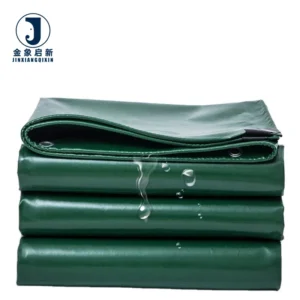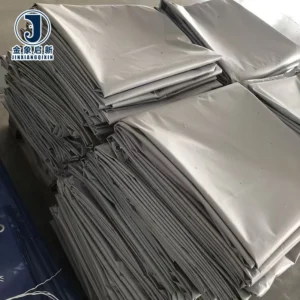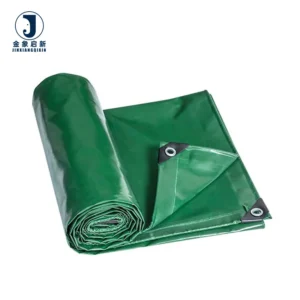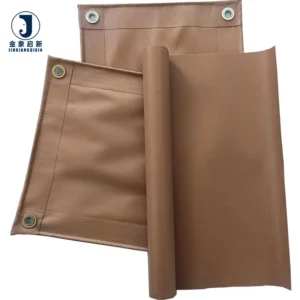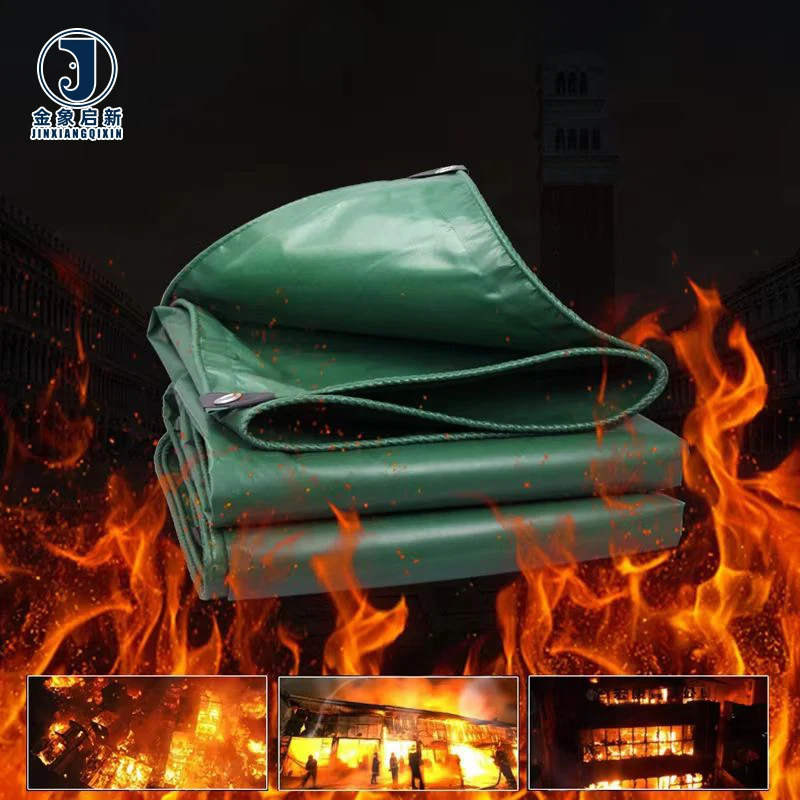
Precision Coating Adhesion — Three full production lines with 36 sets of professional equipment control coating weight and fabric adhesion, ensuring the PVC layer bonds reliably to the woven base under road vibration and flex stress.
Technical Specifications
| Parameter | Value |
|---|---|
| Product Type | PVC Coated Tarpaulin Roll |
| Base Fabric Denier | 1000×1000 |
| Coating Method | Knife Coated |
| Coating Material | PVC |
| Weight (GSM) | At least 450 g/m² |
| Finish | Black back |
| Waterproof | Stated (rating not provided) |
| UV Treatment | Stated (test basis not stated) |
| Oilproof | Stated |
| Tear-Resistant | Stated (test standard not provided) |
| Custom Size | Available |
| Certification | ISO, CE |
Application Suitability
| Application | Exposure & Requirement |
|---|---|
| Truck side curtain | Constant flexing at load points, road spray, tie-down abrasion, daily UV exposure |
| Flatbed trailer cover | Wind lift stress, weather exposure, repeated loading and unloading cycles |
| Tipper body cover | Heavy load movement, mechanical abrasion from bulk materials, oil and grease contact |
| Outdoor temporary structure | Rain, wind load, prolonged sun exposure, ground contact moisture |
| Equipment and machinery cover | Depot storage conditions, oil residue, dust and debris ingress prevention |
Why Generic-Size Truck Covers Leave Cargo Exposed
A cover that does not match your trailer dimensions creates gaps at the edges and excess material that flaps in transit.
Fleet operators ordering PVC coated tarpaulin for truck and trailer cover often receive standard cut sizes that fit a range of vehicles but match none precisely. The result is fabric that either pulls tight at the corners — concentrating stress at eyelets and weld lines — or hangs loose, catching wind and accelerating wear at abrasion points. When the cover does not seat properly against the trailer frame, water ingress follows at the first heavy rain. [NEED_CITE: tension distribution at tarpaulin eyelets and hem reinforcement zones under wind load]
Cut-to-Model Fitment Over Standard Roll Sizing
Every trailer model has distinct rail spacing, corner radii and tie-down configurations. This PVC coated tarpaulin for truck and trailer cover is available in custom cut sizes matched to specific vehicle dimensions, reducing the need for on-site trimming and ensuring the fabric sits flush against the load bed. Side curtain applications benefit from precise panel widths that align with curtain runner tracks without bunching.
Reinforcement at the Points That Actually Fail
The highest stress on a truck cover occurs where the load flexes during transit and where tie-down straps compress the fabric. Reinforced hems and eyelet spacing can be specified to match your strap configuration, distributing load across a wider fabric area. Welded seams at these zones are built to handle repeated tension cycles without delaminating from the 1000×1000 base fabric.
How Knife Coating Affects Long-Term Adhesion on the Road
Knife coated PVC builds a thicker, more uniform coating layer compared to dip or spray methods, filling the weave structure of the 1000×1000 base fabric more completely. This produces stronger mechanical adhesion between coating and yarn, which matters when road vibration constantly works the fabric at fold and flex points. The black back finish provides a neutral interior surface that does not reflect light or show handling marks during installation. [NEED_CITE: knife coating adhesion strength versus alternative coating methods for PVC tarpaulin]
Reading the Specs That Determine Cover Durability
The 1000×1000 denier base fabric provides a dense weave that resists tear propagation when a puncture or cut occurs in service — a higher denier count in both warp and weft directions means the tear must break more yarns to spread. The knife coating method at a minimum of 450 g/m² total weight delivers a coating thickness that protects the base yarns from moisture and abrasion while maintaining enough flexibility for folding and rolling. Waterproof and oilproof treatment addresses the two most common contaminants in transport environments: rain spray and hydraulic or engine fluid residue. The stated UV treatment is available for extended outdoor exposure — confirm the specific UV test standard required for your operating region before placing the order.
What Happens When Fabric Weight Arrives Below Quotation
A PVC coated tarpaulin for truck and trailer cover that arrives lighter than the quoted GSM carries less coating material, which means thinner protection over the base yarns and faster wear-through at high-abrasion zones like tie-down points and trailer rail contact areas. Thinner coating also reduces the fabric’s ability to absorb flex stress without cracking. In fleet operations where dozens of vehicles run identical covers, even a small weight shortfall across the batch compounds into premature replacement cycles and increased downtime for re-covering. Colour variation between rolls in the same order becomes visible once installed side by side on adjacent trucks, requiring rework to maintain a consistent fleet appearance. [NEED_CITE: pre-shipment inspection procedures for GSM verification and batch colour consistency]
Why Fleet Operators Source Through This Production Setup
The 10-person R&D team develops samples for custom truck and trailer dimensions within days, allowing fitment checks before full production runs begin. Three full production lines support bulk roll output for fleet-scale orders without splitting production across incompatible equipment. Dedicated QA/QC inspection at every production stage — including coating weight measurement and visual defect checks — catches deviations before rolls reach dispatch. The black back finish and 1000×1000 base fabric combination is held in production planning, reducing lead times for repeat fleet orders. Custom width and length cutting is supported with fitment verification against your trailer model drawings.
Documentation & Verification
- Material specification sheet stating GSM, base fabric denier and coating method for each roll
- Pre-shipment inspection record with measured weight verified against the quoted value
- UV and flame-retardant test reports included where applicable grades are specified
- Roll packing list with batch reference for colour consistency traceability
- ISO and CE certificates provided with dispatch documentation
- Certificate of origin and customs support for cross-border fleet procurement
Fabrication, Handling & Storage
- Heat welding parameters should match the knife coated PVC thickness — test weld on scrap before production seams
- Eyelet spacing must align with your specific tie-down strap configuration to distribute load evenly
- Store rolls upright on end caps to prevent flat-spot creases across the 1000×1000 base fabric
- Allow cold-stored rolls to reach ambient temperature before unrolling to avoid coating crack at fold lines
- Use mild detergent for cleaning — solvent-based cleaners may degrade the PVC coating surface over time
- Field repairs with PVC-compatible adhesive patches bond well to the knife coated surface
What to Include With Your Inquiry
Provide your truck or trailer model designation, panel dimensions and tie-down strap layout so cut sizes and eyelet positions match your fleet exactly. Specify the operating environment — highway exposure, depot storage, or mixed duty — to confirm whether additional UV or flame-retardant grades are needed for your market requirements. Indicate whether you need roll stock for in-house fabrication or finished cut-and-hemmed panels ready for installation.
Frequently Asked Questions
Q: How is GSM verified on arrival and what documentation supports the quoted weight?
A: Each roll undergoes pre-shipment inspection where measured weight is recorded against the quoted GSM. The inspection record ships with your order, providing documented proof of actual fabric weight. If you require third-party verification, arrange independent testing at the loading stage and we will coordinate sample access for your inspector.
Q: Can the tarpaulin be cut to fit specific truck and trailer models rather than generic sizes?
A: Yes. Custom cut-to-model sizing is available based on your vehicle drawings or physical measurements. We develop a sample panel for fitment approval before running the full production batch, ensuring the cover seats correctly on your specific trailer without excess material or corner tension.
Q: What eyelet spacing and hem reinforcement options are available for tie-down systems?
A: Eyelet spacing and hem reinforcement are configured to match your tie-down strap layout. Reinforced hem strips add fabric layers at stress zones, while eyelet spacing can be set to standard intervals or custom positions aligned with your trailer’s load restraint points.
Q: How is colour consistency maintained across multiple rolls in one fleet order?
A: All rolls for a single fleet order are produced in the same batch run. Pre-shipment inspection includes visual colour comparison across rolls before dispatch. Batch reference numbers on the packing list allow traceability if any panel needs replacement months after installation.
Q: What are the heat welding and stitching recommendations for PVC coated truck cover fabrication?
A: Heat welding is the preferred joining method for knife coated PVC, producing seams that match the fabric strength. Stitched seams should use UV-resistant thread with welded tape overlays to seal needle holes. We provide welding temperature and speed guidance matched to the specific coating weight of your roll stock.