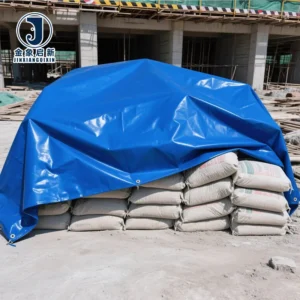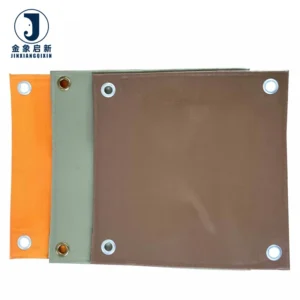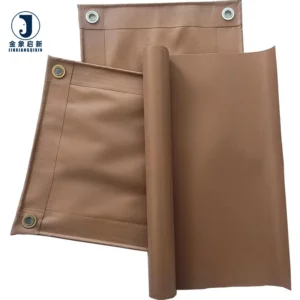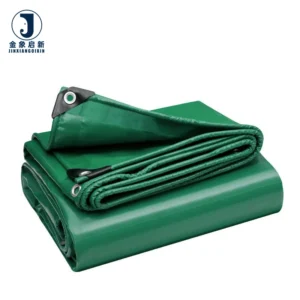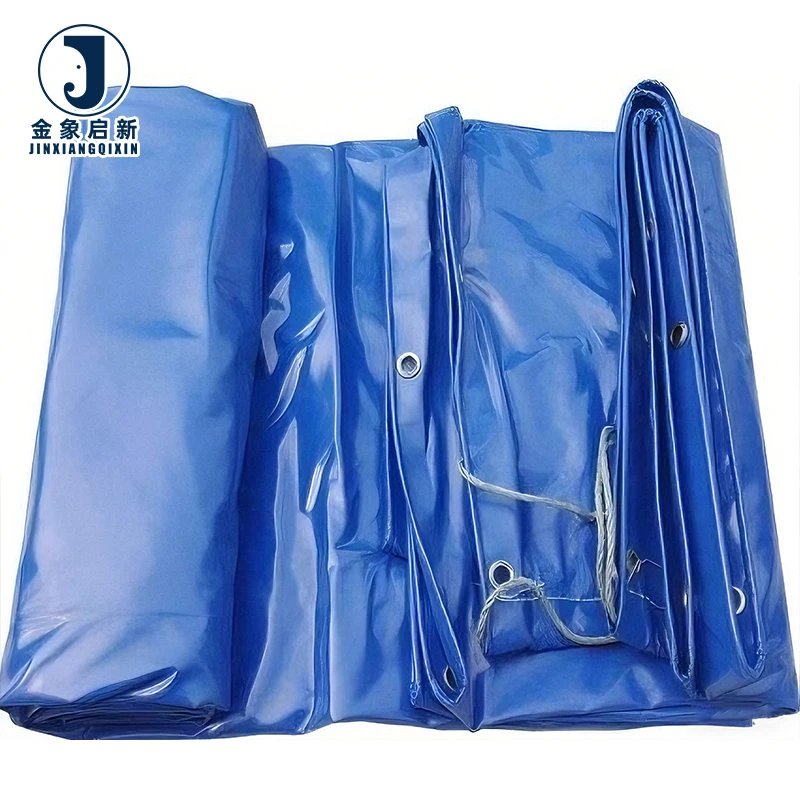
Proven Coating Expertise — Nearly three decades focused on PVC coated woven fabrics translates into process control that holds GSM, adhesion, and colour consistency across every roll shipped for truck and transport applications.
Technical Specifications
| Parameter | Value |
|---|---|
| Product Type | PVC Coated Tarpaulin |
| Weight (GSM) | 250gsm–1500gsm (confirm grade for your application) |
| Base Fabric Denier | 200D×300D / 500D×500D / 840D×840D / 1000D×1000D |
| Coating Material | PVC |
| Surface Finish | Glossy or Matte |
| Color Options | Blue, Yellow, Black, Green, White, custom available |
| Temperature Range | -15ºC to 70ºC |
| Waterproof | Yes |
| UV Treatment | Available — confirm the grade required for your market (test basis not stated in source) |
| Flame Retardant | Treated — confirm the grade required for your market (grade not stated in source) |
| Anti-Fungal | Treated |
| Size Options | 3×4m, 6×8m, 8×10m, 10×12m or custom made |
| OEM/ODM | Accepted |
| Standards | ISO, CE |
| Package | Carton or bale |
Application Suitability
| Application | Exposure & Requirement |
|---|---|
| Flatbed trailer load cover | Highway-speed wind drag, tie-down strap tension, UV and rain exposure, abrasion at contact points |
| Curtain-side truck fabric | Continuous flex cycling at folds, road debris impact, colour consistency across adjacent panels |
| Construction equipment cover | Static outdoor storage, UV and fungal exposure, puncture from sharp edges |
| Box trailer rear door curtain | Repeated roll-up stress, cold temperature flexibility, abrasion at guide rails |
Why Generic Sizing Undermines PVC Coated Tarpaulin Performance on the Road
A cover that does not match the trailer model concentrates stress at corners and seams, causing failure long before the fabric itself reaches its service limit.
Fleet operators frequently order PVC coated tarpaulin for truck and transport use in generic dimensions, only to find that excess material flaps in the wind while tight sections pull eyelets from the hem. The resulting fatigue cracks propagate along welded seams within months [NEED_CITE: tensile and tear test methods for coated fabrics per ISO 1421]. Each replacement cycle adds downtime and cost that a model-specific pattern would have avoided.
Model-Specific Fitment Eliminates the Leading Cause of Early Cover Failure
When a PVC coated tarpaulin for truck and transport is cut to the exact dimensions of a specific trailer model, the load distributes evenly across the fabric surface and every eyelet shares the tie-down tension. This prevents the localized stress that tears hems and splits welded seams on ill-fitting generic covers. Our ten-person R&D team develops a confirmed size template before any production run begins.
Reinforced Hem and Eyelet Placement Engineered for Tie-Down Loads
The spacing and backing of eyelets must correspond to the strap configuration used by the fleet. Heavier denier base fabrics such as 840D×840D and 1000D×1000D accept wider eyelet spacing without compromising pull-out resistance, while lighter grades require closer intervals and additional hem folding to spread the load across a broader fabric area [NEED_CITE: eyelet pull-out resistance testing standards for coated textiles].
Reading the Specification Sheet Beyond GSM Alone
Weight per square metre is often treated as the single indicator of fabric strength, yet a 650 GSM cloth woven from 500D×500D yarn behaves very differently under load than one woven from 1000D×1000D yarn at the same weight. Denier determines individual yarn tensile capacity, while the weave density controls how load transfers between warp and weft. Coating weight and method further influence peel strength at welded seams — a knife-coated fabric typically achieves higher adhesion than a laminated alternative, directly affecting whether the seam or the fabric fails first at flex points. Temperature range from -15ºC to 70ºC defines the operating window within which the PVC remains flexible enough to fold without cracking yet rigid enough to resist sag under sustained load.
The Hidden Cost of Specifying by Price Per Kilogram
When procurement decisions rest primarily on quoted GSM and unit cost, the delivered cover may arrive lighter than agreed, with coating adhesion too low to survive repeated folding, or with a colour that drifts between rolls on the same order [NEED_CITE: batch colour consistency standards for industrial coated fabrics]. These shortfalls are invisible at the loading dock but surface within weeks on the road — faded panels beside fresh replacements, seams peeling at the first cold snap, or tie-down straps tearing through under-spaced eyelets. Correcting these failures costs far more in fleet downtime than specifying the correct denier, verified GSM, and treatment grade from the outset.
Why Fleet Buyers Source PVC Coated Tarpaulin Here
Our three full production lines and 36 sets of professional equipment support bulk fleet orders with on-time delivery even when multiple trailer models and colours are required in a single shipment. A dedicated QA/QC process inspects every roll before dispatch, verifying that the actual GSM matches the quotation. The R&D team develops cut-to-model patterns and confirms dimensions with the buyer before production, eliminating the generic-size problem that causes most early failures. UV and flame retardant treatment options are backed by test documentation when requested for specific market regulations. Custom widths, colours, and branding are handled on the same lines as standard stock, avoiding the extended lead times that typically accompany non-standard specifications.
Documentation & Verification
- Weight verification per roll against the stated GSM before dispatch
- UV and flame retardant test reports supplied for the specific grade ordered
- Model-specific size template confirmed in writing before production
- Pre-shipment inspection record covering visual and dimensional checks
- Colour reference sample retained for batch-to-batch matching on repeat orders
Fabrication, Handling & Storage
- Set heat welder temperature to match PVC coating formulation and GSM for consistent peel strength
- Fold matte-finish rolls coating-inward during storage to prevent surface marking
- Allow fabric to acclimatize above 5ºC before unfolding to avoid brittle cracking
- Space eyelets closer on 200D×300D grades to distribute tie-down strap tension
- Use PVC-compatible cleaners only; solvents may degrade the coating bond
- Store rolls horizontally on pallets to prevent permanent creasing across the width
What We Need From You to Quote Accurately
Please share the exact trailer make and model for each vehicle in the fleet, along with the strap and tie-down configuration currently in use. If your route regulations require a specific flame retardant or UV grade, state the standard so we can match the treatment and supply the corresponding test report. Indicate whether you need finished cut-and-hemmed covers or roll stock for your own fabrication facility, and specify any colour or branding requirements so we can confirm batch consistency.
Frequently Asked Questions
Q: How is GSM verified on arrival and what tolerance do you guarantee?
A: Every roll undergoes weight sampling during production and again at pre-shipment inspection. The inspection record documents actual GSM per roll. If your contract specifies a tolerance band, we align our QA checkpoints to that requirement and provide the test documentation with the shipment so you can verify on arrival.
Q: How do you match cover dimensions to a specific trailer model?
A: We request the trailer make, model year, and body type. Our R&D team builds a size template and shares it for your approval before cutting begins. For fleets with mixed vehicle types, each cover is labelled to its corresponding trailer to prevent mix-ups during installation.
Q: What eyelet spacing and hem reinforcement options are available?
A: Eyelet spacing is adjusted to match your tie-down strap layout. Heavier denier base fabrics allow wider spacing, while lighter grades receive closer intervals with folded hem reinforcement. We confirm the spacing pattern with you during the sample approval stage.
Q: Can you supply UV or flame retardant test reports for my market?
A: Yes. Specify the standard your route or site requires, and we supply the corresponding test report with the shipment. Available treatment grades are confirmed during the quotation stage so the correct formulation is used in production.
Q: What happens if a single panel is damaged under warranty?
A: Contact our after-sales team with photos and the roll or order reference. We assess whether the failure relates to material or fabrication and arrange a replacement panel cut to the same model template, matching the original colour batch where stock permits.