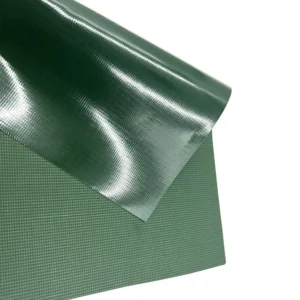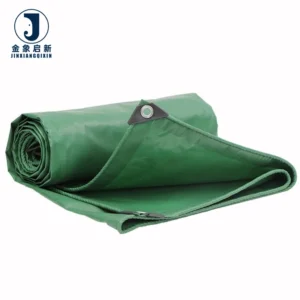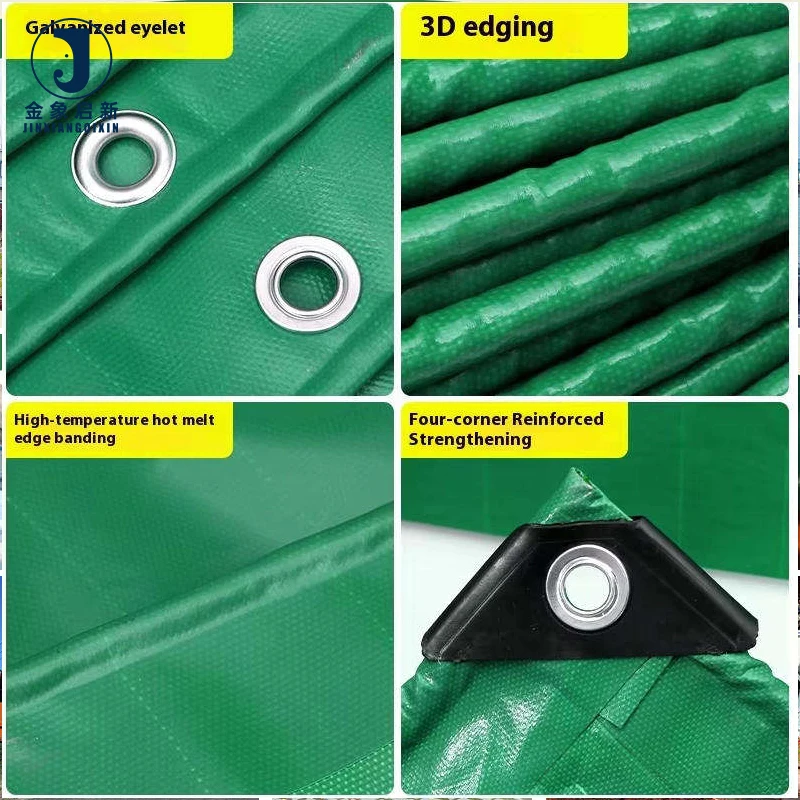
Trailer-Specific Fitment — Every PVC Tarpaulin Roll we ship for truck and transport use is verified against the quoted GSM at pre-shipment inspection, so fleet operators receive material that matches the specification on paper, not just in the sample.
Technical Specifications
| Parameter | Value |
|---|---|
| Product Type | PVC Tarpaulin Waterproof Triangular Tarpaulin Folha De Tarpaulina Truck Tarpaulin |
| Weight Range | 500 to 800 grams per square meter |
| Waterproof Performance | Anti-permeable ≥20 KPa |
| Flame Retardant | ≤10 seconds |
| Low-Temperature Flexibility | Not fractured at -30℃ |
| Corrosion Resistance | Acid, alkali and brine corrosion |
| Seam Construction | High-frequency heat combined, water tight and crack resistant |
| Water Absorption | Almost no absorbable of water, drying quickly after rain |
Application Suitability
| Application | Exposure & Requirement |
|---|---|
| Truck side curtain | Constant flexing at load points, road debris abrasion, UV exposure on long-haul routes |
| Flatbed load cover | Wind lift, tie-down tension at hems, rain pooling on horizontal surfaces |
| Transport fleet tarpaulin | Daily roll and unroll, forklift contact, colour consistency across multiple vehicles |
| Construction site enclosure | Dust, chemical splash, wind loading on temporary fencing |
Why Generic Sizing Destroys Truck Covers Before the Fabric Fails
A truck cover cut to a generic rectangle will fail at the corners long before the PVC Tarpaulin Roll itself reaches end of life.
I once supplied a fleet with covers cut to a standard drop size. The trailer model had a slight taper at the rear, and the corner eyelets were carrying tension the hem was never designed for. Within weeks, the corners tore out on the road. The fabric was fine — the pattern was wrong. Fleet operators replacing covers every few months often blame the material, when the real issue is a cut that ignores the specific trailer geometry and the flex points where the load moves most [NEED_CITE: common failure modes in heavy-duty truck tarpaulin installations]. When the cover is built around the actual vehicle dimensions with reinforced stress zones, the same PVC Tarpaulin Roll lasts substantially longer in service.
Seam Integrity at the Points That Matter Most
High-frequency heat-welded seams on this PVC Tarpaulin Roll create a bond that resists cracking at the flex points where truck loads shift during transit. Unlike stitched seams that puncture the coating and create water entry paths, the heat-welded construction maintains continuous waterproof integrity across the entire joint line, which is critical for side curtain and load cover applications exposed to driven rain.
Cold-Route Reliability Without Fabric Stiffening
Low-temperature flexibility tested to -30℃ means this PVC Tarpaulin Roll remains pliable on cold-climate transport routes where stiff fabric cracks under wind load or handling stress. Fleet operators running winter routes need covers that can be folded, unfolded and tensioned without the coating fracturing at the fold lines, and this specification range addresses that requirement directly across the weight grades available.
Understanding What the Specification Sheet Actually Tells You
The weight range of 500 to 800 grams per square meter spans light-duty load covers through to heavy-duty side curtain fabric, and the right grade depends on the mechanical stress your application imposes. A higher GSM alone does not guarantee better tear resistance — the base fabric denier and weave density determine how a puncture propagates once the coating is breached. The anti-permeable rating of ≥20 KPa confirms waterproof performance under hydrostatic pressure, relevant for flatbed covers where rain pools before runoff. Flame-retardant performance at ≤10 seconds is a measurable threshold, but confirm the specific grade required for your market, as regional fire codes reference different test standards [NEED_CITE: flame retardant classification systems for transport and construction tarpaulins]. The high-frequency heat-welded seam construction ensures that the joint strength matches the parent fabric, which is where many field failures originate when the weld parameters are not matched to the coating thickness.
The Cost of Overlooking Batch Consistency
I have watched an entire container load of truck covers get rejected at the depot because rolls from the same order showed visible colour variation once installed side by side on adjacent trailers. The material performance was identical — the fleet operator simply could not accept a mixed appearance across the fleet [NEED_CITE: colour consistency standards in fleet tarpaulin procurement]. This happens when production runs are split across different coating batches without pigment matching between them. For distributors reselling PVC Tarpaulin Roll stock regionally, batch inconsistency damages repeat orders faster than any physical property shortfall.
Why Sourcing This Material Here Makes Sense
Three full production lines and 36 sets of professional equipment support bulk roll output with on-time dispatch, which matters when a fleet operator is waiting on a container to cover new trailers entering service. The 10-person R&D team handles pattern layout and custom sizing so truck covers are cut to your specific trailer model, not a generic template. Dedicated QA/QC at every production stage with full pre-shipment inspection catches GSM deviations and seam defects before the rolls leave the factory. Sample development within days allows you to verify heat-weld parameters and colour against your requirement before committing to a production run. ISO and CE certified production provides documentation that satisfies compliance checks at import.
Documentation & Verification
- Material specification sheet stating GSM, base fabric construction and coating type for each roll
- Pre-shipment inspection record confirming weight and colour against the original quotation values
- Flame-retardant and UV test reports provided where the specified grade requires documented evidence
- Roll packing list with individual roll dimensions, net weight and batch reference for traceability
- Certificate of origin and customs documentation prepared per destination country requirements
Fabrication, Handling & Storage
- Heat-weld seams using parameters matched to the 500–800 GSM range to avoid under-curing or coating burn-through
- Store rolls horizontally on pallets to prevent edge crushing that creates permanent creases in the coated surface
- Allow cold-stored rolls to reach ambient temperature before unrolling to prevent coating crack at the fold line
- Use compatible PVC-based repair patches and solvent cement for field repairs on the coated surface
- Plan cutting layout to minimise off-cuts and reduce the number of welded seams in the finished truck cover
- Clean with mild detergent only — avoid solvents that degrade the plasticiser in the PVC coating layer
What to Include in Your Enquiry
Provide the specific truck or trailer model dimensions, the operating climate and route conditions, and whether you need rolls in stock widths or custom cut-to-model covers. Specify the flame-retardant or fire-code grade your destination market requires so the correct treatment is applied and documented. Confirm your target colour reference and whether batch consistency across multiple rolls is critical for your installation.
Frequently Asked Questions
Q: How do I confirm the GSM on arrival matches what was quoted?
A: Every roll undergoes pre-shipment weight verification against the quoted GSM before dispatch. The inspection record ships with your documentation, and you can cross-check with your own scale on arrival. If there is a discrepancy, the record provides the baseline for a claim.
Q: Can rolls in the same order be guaranteed colour-consistent when installed side by side?
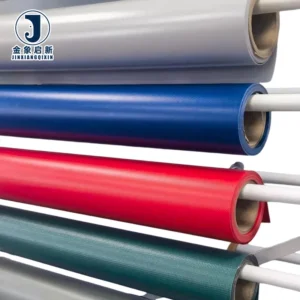
A: Yes. Rolls within a single production run are coated from the same pigment batch, and colour is checked against the reference standard before packing. For split orders or reorders, we retain the colour formula to match the original batch as closely as possible.
Q: What fire-retardant or anti-UV test reports ship with the material?
A: Where flame-retardant treatment is specified, a test report confirming the ≤10-second performance is included with the shipment documentation. UV treatment test data is provided on request — confirm the specific standard your market requires at enquiry stage.
Q: Do you cut truck covers to my specific trailer model dimensions?
A: Yes. Provide the trailer model, body dimensions and any specific hem or eyelet requirements. The R&D team develops a cut pattern and sample for your approval before production, so the finished cover fits without tension points at the corners.
Q: What is the minimum order for custom width, colour or printed branding?
A: Minimum order quantities vary depending on the specific custom requirement — custom colour typically requires a minimum coating batch run. Contact with your exact specification and annual volume so we can confirm the applicable minimum and lead time for your configuration.