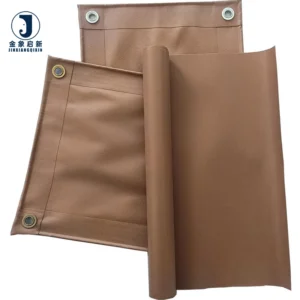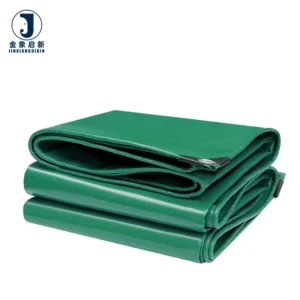
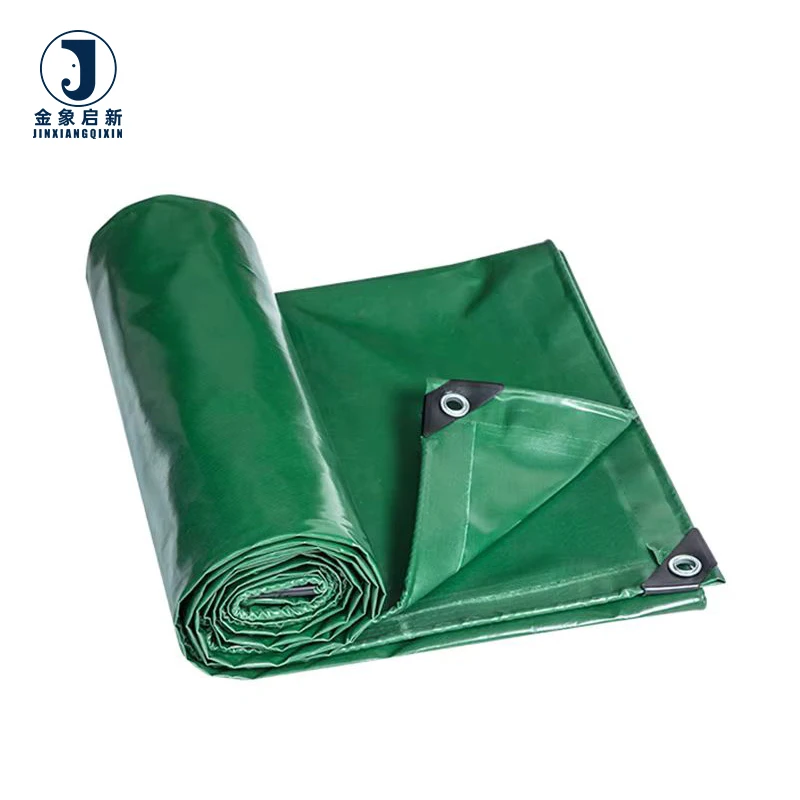
Proven Fleet Fitment — Every PVC Coated Tarpaulin Truck Cover is cut to your specific trailer model dimensions using vehicle-specific patterns, eliminating the generic-size mismatch that leaves loads exposed at highway speed.
Technical Specifications
| Parameter | Value |
|---|---|
| Product Type | PVC Coated Tarpaulin Truck Cover |
| Material | PVC Coated Fabric |
| Weight | 500gsm / 600gsm |
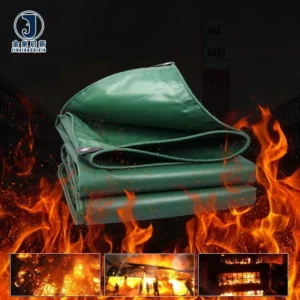
| Treatment Options | Flame Retardant; Anti-Static; Anti-cold; Anti-mildew |
| Weather Resistance | 1-3 years outdoor durability |
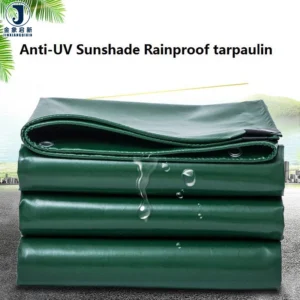
| Waterproof | Yes |
| Customization | Custom size, color, printing available |
Application Suitability
| Application | Exposure & Requirement |
|---|---|
| Long-haul truck cargo covers | Road weather, wind flap abrasion, tie-down tension at high speed |
| Fleet trailer side curtains | Constant flexing at load points, UV exposure, colour consistency across fleet |
| Construction equipment transport covers | Puncture from sharp edges, repeated folding and unfolding on site |
| Logistics company standardised covers | Multi-climate operations requiring anti-cold and anti-mildew treatment |
Why Generic-Size Truck Covers Cost Fleets More Than Custom Fitment
A PVC Coated Tarpaulin for truck and transport that matches your exact trailer dimensions eliminates the flapping, pooling and seam stress caused by generic rectangular sheets.
Fleet operators routinely receive covers labelled for their trailer category only to find excess fabric that catches wind on the motorway or falls short at the rear roller door. The excess material flaps at speed, accelerating abrasion at the hem and pulling eyelets from the reinforced edge. The shortfall leaves the load exposed to rain ingress at the most vulnerable corner [NEED_CITE: common failure modes in fleet tarpaulin fitment surveys]. When a cover does not sit flush against the trailer body, water channels form along the roof bow and pool at the lowest point, concentrating UV degradation and mildew growth in one zone. This PVC coated tarpaulin is specified and cut to your vehicle’s measured dimensions, with eyelet spacing calculated for your existing tie-down rail configuration.
Vehicle-Specific Pattern Cutting for Trailer Fitment
This PVC Coated Tarpaulin for truck and transport applications is cut using pattern templates derived from your trailer model’s actual dimensions rather than nominal size categories. Roof bows, side rails and rear door frames vary between manufacturers and model years, and a difference of a few centimetres in drop length determines whether the cover seals against the coaming rail or rides above it. Each order references the specific vehicle identifier so that the finished cover arrives ready to fit without on-site trimming or improvisation.
Welded Seam Engineering at High-Flex Zones
The seams on a truck cover fail first at the points where the load flexes during cornering and braking, not along the straight runs. This PVC coated tarpaulin uses hot-air welded seams at those high-stress junctions, creating a bond that matches the base fabric strength rather than relying on thread that cuts through the coating under tension [NEED_CITE: seam peel strength testing for coated fabrics per ISO 1421]. The welding parameters are adjusted to the selected GSM grade so that the heat penetrates the coating without scorching the base fabric.
Reading the Specification Sheet Beyond Weight
The 500gsm and 600gsm weight options define the total coated mass per square metre, but the base fabric denier and weave density determine how that weight translates to tear and tensile performance. A 600gsm fabric with a low-denier base will resist puncture well yet tear more easily along the warp than a 500gsm fabric built on a higher-denier, tighter-weave scrim. The PVC coating method also matters: knife-over-roll coating produces a thicker coating layer suited to abrasion resistance, while laminated construction prioritises flexibility at lower weight. Confirm which construction method applies to your selected grade before placing a fleet-wide order.
The Hidden Cost of Unverified GSM and Treatment Claims
Covers that arrive lighter than the quoted GSM reach end-of-life sooner because the thinner coating offers less abrasion reserve at flex points and the lighter base fabric tears under tie-down loads it was not engineered to carry. Flame retardant treatment claimed on a data sheet without a test report tied to a recognised grade leaves the fleet operator liable if a transport incident triggers a regulatory investigation [NEED_CITE: transport authority fire safety requirements for load covering materials]. Anti-static treatment without a measured surface resistance value cannot be verified against hazardous goods handling standards. Every roll of this PVC coated tarpaulin ships with a pre-shipment weight verification record and, where treatment is specified, a test report stating the grade or standard achieved.
Why Procurement Teams Specify This Source
Three full production lines and dedicated equipment sets support bulk fleet orders without splitting production across subcontracted facilities, maintaining batch-to-batch colour and weight consistency. A ten-person R&D team develops vehicle-specific cut patterns and runs sample covers for fitment trials before full production begins. Dedicated quality checkpoints at each production stage catch coating weight drift and seam adhesion variation before the cover reaches final inspection. Pre-shipment inspection covers one hundred percent of finished covers, with weld seam integrity checked at the high-flex zones identified during pattern development. Custom widths, colours and printed branding are produced in-house rather than outsourced, keeping lead times within typical multi-week windows for fleet-scale orders.
Documentation & Verification
- Weight verification record per roll confirming delivered GSM matches the quoted value
- Flame retardant test report stating the grade achieved for your target market’s transport regulations
- Custom sizing sheet confirming cover dimensions against your specific trailer model number
- Pre-shipment inspection record covering weld seam integrity at identified high-flex zones
- Certificate of origin and customs documentation for cross-border fleet procurement
- Roll packing list with individual cover identification for multi-vehicle fleet allocation
Fabrication, Handling & Storage
- Weld temperature profiles differ between 500gsm and 600gsm grades — confirm settings before production
- Store rolls upright on pallets to prevent permanent creasing in the PVC coating layer
- Allow cold-stored rolls to reach ambient temperature before unfolding to avoid coating crack
- Use PVC-compatible cleaners only — solvent-based products degrade the coating surface
- Repair minor abrasion damage with matching PVC patch material heat-welded in place
- Plan cut layouts to minimise waste when ordering custom sizes across a mixed fleet
Requesting a Fitment Quote
Provide your trailer manufacturer and model identifier along with the number of vehicles in the fleet requiring covers. Specify the operating climate range so the correct anti-cold or anti-mildew treatment can be included in the recommendation. Confirm whether your tie-down system uses standard rope rails or a proprietary track so that eyelet spacing and reinforcement can be matched to your hardware. State any fire classification or anti-static standard your target market requires so the appropriate treatment grade and test documentation are included from the outset.
Frequently Asked Questions
Q: How do I order a cover that fits my specific trailer model?
A: Provide the trailer manufacturer, model name and year along with measured dimensions if available. The pattern is developed from these details rather than a generic size chart. A sample cover is produced for fitment verification before the full fleet order enters production, ensuring the drop length, roof coverage and eyelet positions match your vehicle.
Q: What test reports accompany flame retardant or anti-static treatment?
A: Where flame retardant treatment is specified, a test report stating the grade achieved under the relevant standard is included with the shipment documentation. Anti-static treatment ships with a surface resistance measurement report. Confirm the classification your transport regulations require before ordering so the correct treatment grade is applied.
Q: Can eyelet placement match my existing tie-down system?
A: Eyelet spacing and reinforcement are configured to your tie-down rail or rope hook layout. Provide the distance between anchor points on your trailer so the eyelets align with your hardware. This prevents the off-position eyelets that force operators to improvise with additional straps and create uneven load tension.
Q: How is weld seam durability verified before shipment?
A: Pre-shipment inspection includes peel testing of welded seams at the high-flex zones identified during pattern development. The inspection record documents the test result and is included with your shipment paperwork. Welding parameters are adjusted to the specific GSM grade to ensure coating adhesion without base fabric damage.
Q: How do you maintain colour consistency across a fleet order?
A: All covers in a single fleet order are produced from the same coating batch using matched colour reference standards. Rolls are allocated sequentially from that batch to your order. The pre-shipment inspection record confirms colour consistency across all covers before dispatch.