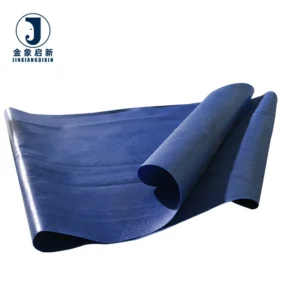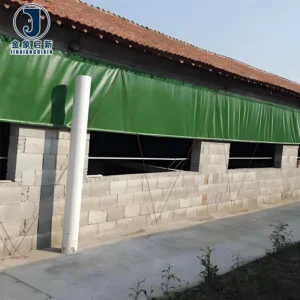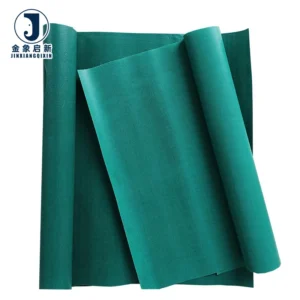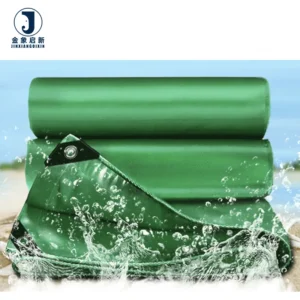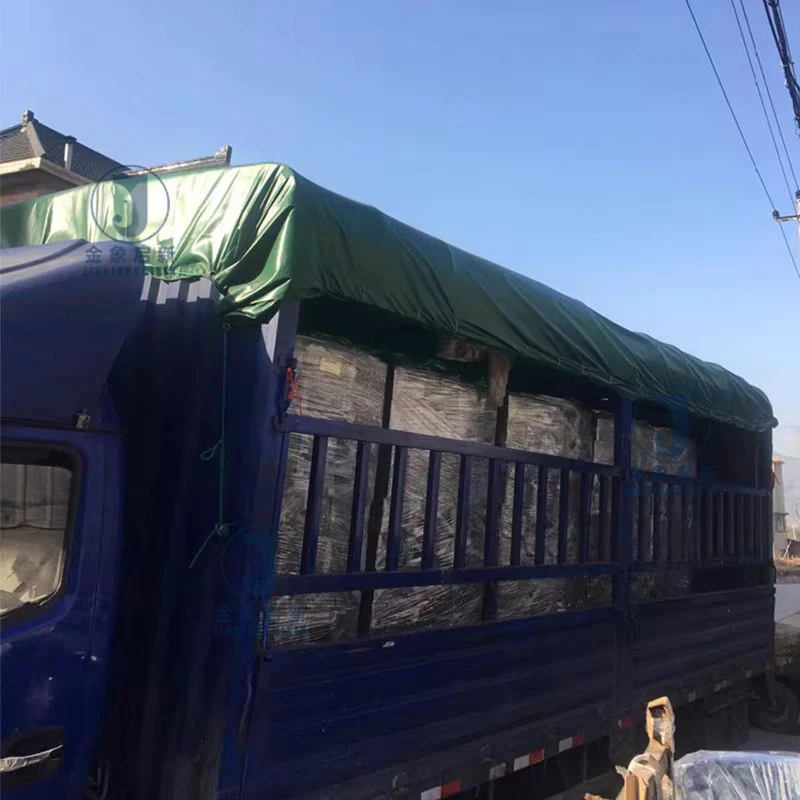
Proven Coating Expertise — nearly 30 years of PVC coating process control ensures consistent weight and adhesion across every roll of farm cover fabric we produce.
Technical Specifications
| Parameter | Value |
|---|---|
| Product Type | PVC Coated Tarpaulin |
| Coating Material | PVC |
| Base Fabric | Woven polyester, plain style |
| Waterproof | Yes |
| Anti-Static | Available — confirm grade required for your market (test basis not stated in source) |
| Tear Resistance | Claimed high tear resistance (test basis not stated in source) |
| Finish | Plain woven surface |
| Color Options | Customizable colors available per order |
| Application Grade | Heavy-duty industrial and agricultural |
| Supply Format | Roll stock |
Application Suitability
| Application | Exposure & Requirement |
|---|---|
| Broiler and chicken house side curtains | Constant flexing from ventilation systems, ammonia exposure, humidity, and washdown cycles |
| Pig and sheep shelter enclosures | Wind load stress at tie-down points, animal contact abrasion, seasonal temperature swings |
| Agricultural feed and equipment covers | Rain ingress prevention, UV exposure in open yards, mechanical wear from frequent handling |
| Farm tent and temporary structure roofs | Sustained tension across spans, pooling water load, thermal expansion and contraction |
When Farm Covers Fail, It Is Rarely the Fabric That Breaks First
Most agricultural tarpaulin failures start at the seams and tie-down zones, not in the field of the material.
I have walked through poultry operations where the PVC coated tarpaulin for farm cover panels was intact but the welded seams had peeled open under cyclic wind loading. The specification sheet showed adequate GSM, yet the weld parameters had not been matched to the coating thickness. Similarly, static discharge in broiler houses stresses birds and reduces weight gain — specifying anti-static fabric without verifying the surface resistance test report leaves this risk unmanaged [NEED_CITE: anti-static surface resistance measurement for agricultural environments].
Why Roll-to-Roll Color Consistency Matters on Large Installations
When a single broiler house requires multiple PVC coated tarpaulin rolls, even subtle shade variation between batches becomes visible once panels are installed side by side. This is not an aesthetic concern alone — inconsistent color often signals variation in coating weight or pigment dispersion, which can affect UV stability and surface finish across the structure. We control pigment batching at the mixing stage and run inline color checks so that every roll in your order matches the approved reference sample.
Matching Coating Weight to the Actual Stress on Farm Structures
The PVC coated tarpaulin for farm cover applications must handle more than just rain. Side curtains on livestock shelters flex hundreds of times daily as ventilation systems cycle, creating fatigue at the fold lines. Heavier coating weights improve waterproof integrity but increase stiffness, which concentrates stress at hinge points. Selecting the right balance between coating mass and base fabric flexibility is where process experience matters — and where generic specifications fall short [NEED_CITE: cyclic flex fatigue testing of coated fabrics].
Reading Between the Specification Numbers
GSM alone tells you how much material is on the roll, not how it will perform. A PVC coated tarpaulin achieves its tear resistance through the combination of base fabric denier, weave density, and coating adhesion. A heavier base yarn resists tear propagation, but if the coating does not bond firmly to the woven substrate, delamination starts at stress points. The plain woven construction in this fabric provides a stable grid that anchors the PVC coating uniformly. Waterproof integrity depends on full encapsulation of the weave — any pinhole or thin spot in the coating layer becomes a leak path under sustained rain exposure. Custom color pigments are integrated into the PVC compound itself rather than applied as a surface print, which preserves the coating continuity across the entire roll surface.
The Cost of Overlooking Batch Verification
A shipment of farm cover rolls arrives looking correct, but the GSM measured on-site falls below the quoted value. The material is lighter, thinner, and will not survive the season. This happens when suppliers blend production batches without per-roll verification. Similarly, anti-static claims without supporting test data mean you cannot demonstrate compliance if a farm auditor requests documentation. Color drift between rolls forces partial rejection of an installation, and replacement lead times disrupt the farming calendar when livestock exposure is already at risk [NEED_CITE: pre-shipment inspection protocols for coated fabric rolls].
Why Source Farm Cover Rolls Through This Channel
Our production lines run dedicated PVC coating processes with inline weight monitoring, so the GSM you approve on sample is the GSM shipped on every roll. The 10-person R&D team develops custom color matches and confirms coating adhesion before your order enters full production. Every roll undergoes inspection before dispatch — we check coating continuity, measure actual weight, and verify color against your reference. Custom widths are slit in-house to match your farm structure dimensions, reducing on-site cutting waste. We supply roll stock documentation including material specification sheets and pre-shipment records so your receiving team can verify against the purchase order immediately.
Documentation & Verification
- Material specification sheet stating GSM, base fabric type, and PVC coating weight per roll
- Anti-static surface resistance test report provided when the treatment grade is confirmed
- Color reference sample retained and matched to batch before dispatch
- Pre-shipment inspection record with roll-by-roll weight and visual check
- Certificate of origin and customs documentation for export shipments
Fabrication, Handling & Storage
- Heat-weld seams using temperature and dwell time matched to the specific PVC coating weight on this roll
- Reinforce tie-down eyelet zones with additional PVC patches to distribute load across the plain woven base
- Store rolls upright on pallets to prevent flat-spot deformation of the coated surface
- Unroll in moderate temperatures to avoid creasing the PVC coating when it is cold-stiffened
- Clean with mild detergent only — solvents can degrade the PVC coating and custom color pigments
- Cut panels from roll ends inward to maximize usable width and minimize selvage waste
Specifying the Right Roll for Your Farm Project
Share your structure dimensions, the number of rolls required, and the exposure conditions your covers will face — wind load, washdown frequency, or ammonia environment. Let us know if your operation requires anti-static certification and which surface resistance standard applies in your region. If you need a custom color match, send a reference sample or RAL code so we can develop a strike-off for your approval before full production begins.
Frequently Asked Questions
Q: How do I verify the GSM of farm cover rolls on arrival against the quotation?
A: Each roll ships with a pre-shipment inspection record stating the measured weight. On receipt, cut a measured sample from the roll end and weigh it on a calibrated scale. Compare the result to the specification sheet included in your documentation package. Any discrepancy should be reported before installation begins.
Q: Can the anti-static treatment be supplied with a test certificate?
A: Anti-static treatment is available for this PVC coated tarpaulin, but the required grade depends on your local farm regulations. Share the surface resistance standard your operation must meet, and we will provide a test report from the production batch confirming compliance before shipment.
Q: Will the color remain consistent across all rolls in a large farm cover order?
A: We match pigment batches at the mixing stage and retain an approved color reference for your project. Every roll is checked against this reference during pre-shipment inspection. For multi-roll orders, request a batch color consistency statement with your shipping documentation.
Q: What reinforcement options exist for tie-down and eyelet points on farm tent structures?
A: The plain woven base fabric accepts welded PVC reinforcement patches at stress zones. Specify eyelet spacing and hem fold width when placing your order so that reinforcement is applied during fabrication. This distributes mechanical load and prevents tearing at the points where wind load concentrates most.
Q: How should agricultural tarpaulin be cleaned and repaired in service?
A: Use mild detergent and water — avoid solvents that attack the PVC coating. Small punctures can be repaired with PVC-compatible adhesive patches applied to clean, dry surfaces. For larger damage, heat-weld a patch from the same material grade to maintain waterproof continuity across the repair zone.