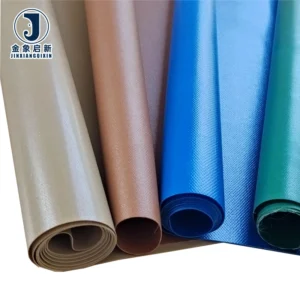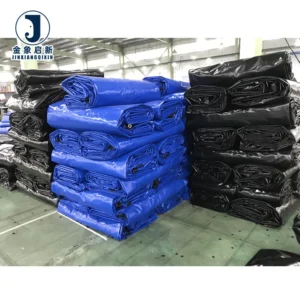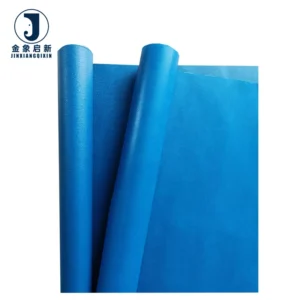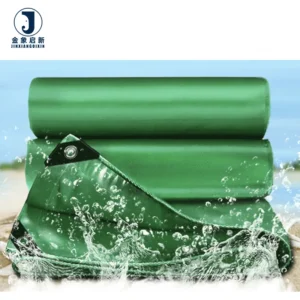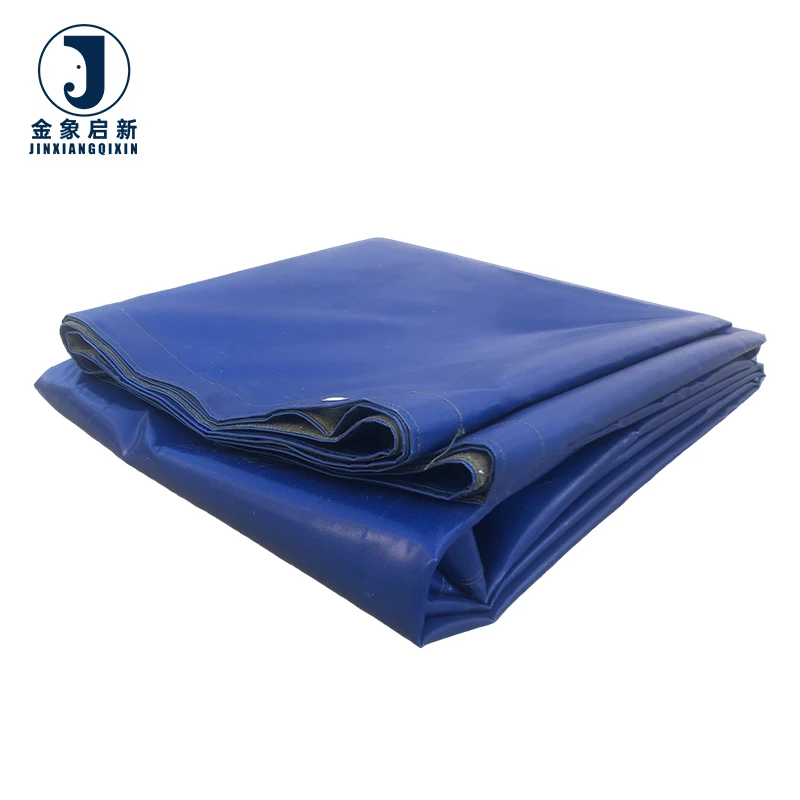
Coating Weight Mastery — Three full production lines with dedicated QA verify coating adhesion and GSM on every roll of Heavy Duty Waterproof PVC Coated Tarpaulin Roll before it leaves the factory floor.
Technical Specifications
| Parameter | Value |
|---|---|
| Product Type | PVC Tarpaulin Roll |
| Weight | 500gsm |
| Base Fabric | 1000D |
| Coating Type | PVC laminated |
| Waterproof Performance | anti-permeable ≥20KPa |
| Flame Retardancy | ≤10 seconds |
| Low-Temperature Flexibility | no fracture at -30°C |
| Heat Seaming | high-frequency welded |
| Standards | ISO, CE |
Application Suitability
| Application | Exposure & Requirement |
|---|---|
| Truck side curtain and trailer cover | Constant flexing at load points, road debris abrasion, continuous UV and weather exposure, high-frequency welded seams must outlast the fabric |
| Tent and awning fabrication | Sustained tension on frame contact points, wind-driven rain ingress, UV degradation over seasonal use, colour consistency across multiple panels |
| Camping and outdoor covers | Ground moisture contact, folding and storage creasing, low-temperature handling without embrittlement |
| Roof and carport protection | Standing water resistance, direct solar exposure, thermal expansion and contraction on support structures |
| Lumber and load covering | Strap-down abrasion at tie points, moisture ingress prevention, repeated handling and repositioning on flatbed loads |
Why Stated GSM Means Nothing Without the Coating Adhesion to Back It Up
The real failure point on a truck cover is never the fabric — it is where the coating peels from the base yarn under flex load.
In the workshop, I have watched rolls arrive with the label reading one weight while the material felt noticeably lighter across the whole bolt. You put it on a trailer and within weeks the coating starts delaminating at the welded seams, right where the side curtain flexes every time the driver takes a corner. The 1000D base fabric in this PVC Tarpaulin Roll aftermarket supplier stock is laminated under controlled heat and pressure, and the 500gsm figure is verified against a material specification sheet before dispatch — not just printed on the label. [NEED_CITE: tensile and tear test methods for coated fabrics per ISO 1421]
Seam Integrity Where the Load Flexes the Hardest
When a truck side curtain is pulled tight and the trailer articulates through a turn, the welded seams carry more stress than the body of the fabric itself. High-frequency welding fuses the PVC coating layers together rather than relying on adhesive or thread, which means the joint behaves as a continuous piece of material. This PVC Tarpaulin Roll aftermarket supplier output is specified for high-frequency welded seaming, so fabrication shops can set their weld parameters with confidence knowing the coating will bond cleanly without blistering or weak spots.
Colour Matching That Holds Across the Full Container Load
A fleet operator ordering enough roll stock to cover forty trailers expects every panel to look the same once installed side by side in daylight. Colour drift between production batches is a common complaint when the pigment dosing is not locked at the mixing stage. For this PVC Tarpaulin Roll aftermarket supplier range, the colour reference is fixed per order and verified against a physical standard before coating begins, so rolls pulled from different production runs within the same batch show no visible shift when hung adjacent on a trailer frame. [NEED_CITE: colour fastness and batch consistency standards for coated technical textiles]
Reading the Specs Beyond the Weight Figure
The 500gsm weight tells you the total mass per square metre — coating plus base fabric combined — but it does not tell you how that mass is distributed. A 1000D base yarn provides a dense grid that resists tear propagation, meaning once a puncture occurs it will not easily run into a long split. The PVC laminated coating method bonds the coating to both faces of this grid under heat, which gives strong peel resistance and makes the material suitable for high-frequency welding where adhesive-based coatings would separate. The anti-permeable rating of ≥20KPa confirms the coating layer is continuous with no pinholes, while the low-temperature flexibility to -30°C without fracture means the plasticiser system is formulated to resist migration and embrittlement in cold climates — a critical factor for trucks running winter routes or covers deployed in northern markets.
The Real Cost of a Roll That Fails Specification on Arrival
A distributor who takes delivery of a container load only to find the colour is off across half the rolls faces a choice: ship mixed panels to customers and field complaints, or hold the stock and absorb the delay. Either way the relationship takes a hit. Similarly, a fabricator who cuts and welds fifty truck covers from a roll where the flame retardancy was claimed but never tested will discover the problem only when the end customer’s site inspector asks for documentation. These are not material defects — they are procurement failures, and they trace back to ordering from sources that do not verify what they ship. [NEED_CITE: fire classification and compliance documentation for coated fabrics in construction and transport]
Why Fabricators Source This Roll Stock Here
Coating weight and adhesion are controlled in-process across three full production lines, not just checked at the end — this means the 500gsm on the label matches what arrives on the dock. The 10-person R&D team develops custom width, length and reinforcement samples within days, so fabricators can trial the material on their own welding equipment before committing to a bulk order. Every roll passes 100% pre-shipment inspection with a documented record, eliminating the gamble of container-load purchasing where defects are discovered weeks after delivery. Colour locking per order and test reports for flame retardancy accompany the dispatch paperwork, so the documentation matches the material performance when the site inspector comes calling.
Documentation & Verification
- Weight verification per roll against the stated 500gsm before dispatch with recorded inspection data
- Flame retardancy test report included in documentation package for grades claiming ≤10 seconds performance
- Material specification sheet detailing 1000D base fabric, PVC laminated coating and anti-permeable rating
- Colour reference standard locked per purchase order to confirm batch consistency on arrival
- ISO and CE certificates provided with dispatch documentation for compliance verification
Fabrication, Handling & Storage
- Set high-frequency welder dwell time to match PVC laminated coating — test on an offcut of the 500gsm roll before running production panels
- Store rolls upright on their cores to prevent flat-spot creasing across the 1000D base fabric that shows through after welding
- Allow cold-stored rolls to reach ambient temperature before unrolling to avoid cracking the coating at -30°C-rated flexibility limits
- Use reinforced hem tape at high-stress edges where the 500gsm material meets tie-down straps on trailer covers
- Clean with mild detergent only — solvents will attack the PVC laminated surface and reduce waterproof performance below the ≥20KPa rating
What We Need to Quote Your Roll Stock Accurately
Send us the vehicle models or cover dimensions you are fabricating for, along with the annual roll volume you expect to run through your shop. Let us know if your end market requires specific fire classification documentation or if colour matching against an existing fleet livery is needed. We will prepare a sample cut from production stock so you can run it on your own welding and cutting equipment before the full order ships.
Frequently Asked Questions
Q: How do you verify the GSM on arrival matches the quotation?
A: Every roll is weighed and checked against the material specification sheet during pre-shipment inspection, with the result recorded on the inspection report included in your dispatch documentation. The stated 500gsm is verified as coating plus base fabric combined, so what arrives on your dock matches what was quoted.
Q: Can flame-retardant performance be confirmed with test reports?
A: Yes. Where flame retardancy to ≤10 seconds is specified, a test report is included with the dispatch documentation. We recommend confirming the specific classification your local fire code or site specification requires so we can match the correct grade to your order.
Q: What is the minimum order for custom width or colour?
A: Custom widths, colours and printed branding are available with minimums that vary by specification. Our R&D team develops samples within days so you can approve the material on your own equipment before committing to a production run. Contact us with your target width and colour reference for a specific minimum.
Q: How do you prevent colour variation across rolls in a bulk order?
A: The colour reference is locked at the pigment mixing stage for each purchase order, and every roll in the batch is checked against the approved standard before packing. This prevents the visible drift that occurs when rolls from different production runs are installed side by side on the same trailer or structure.
Q: Do welded seams outlast the fabric at high-flex points?
A: High-frequency welding fuses the PVC coating layers into a continuous joint rather than relying on thread or adhesive. When weld parameters are set correctly for the 500gsm PVC laminated construction, the seam strength matches or exceeds the body of the fabric, which is critical on truck side curtains where flexing is constant.