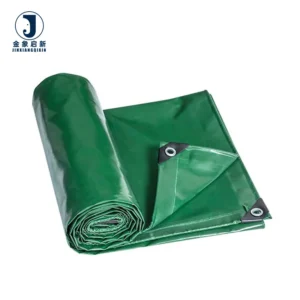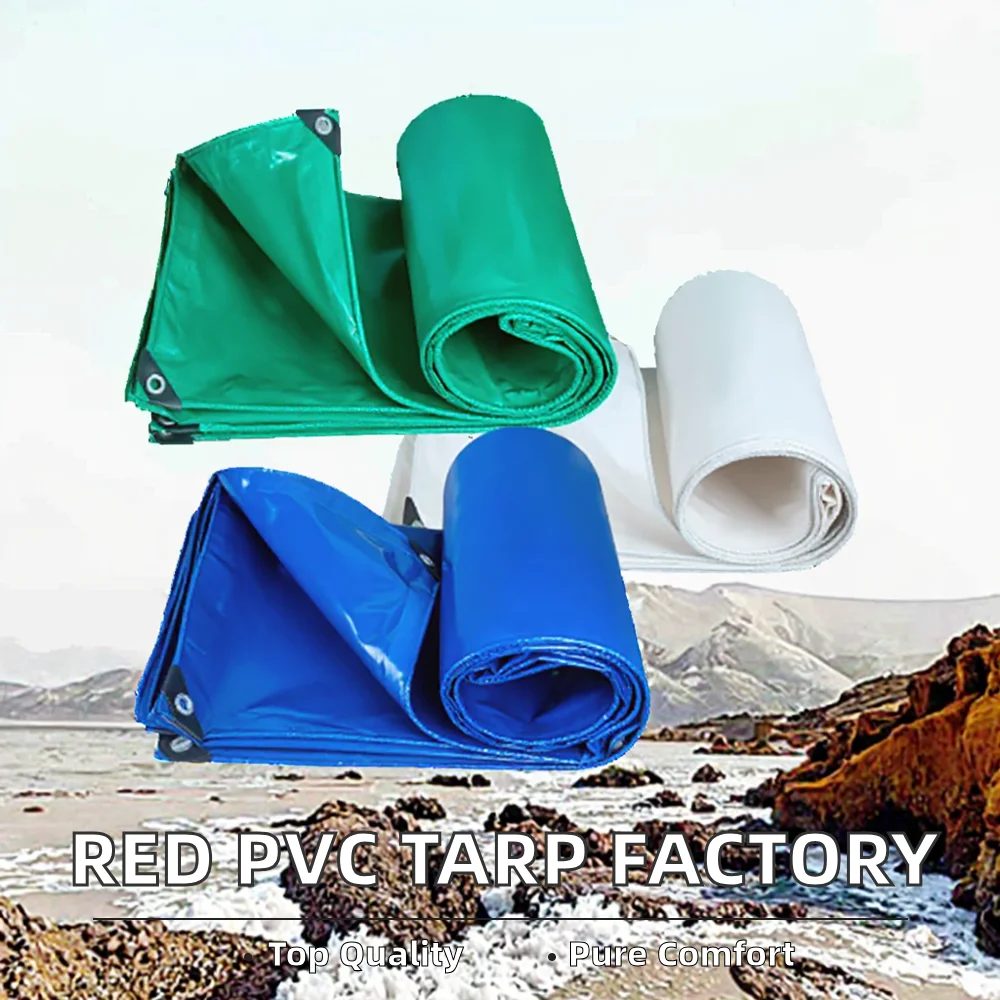
Near-30-Year Process Control — coating weight and adhesion verified at every stage for PVC Coated Tarpaulin used in truck and trailer load protection.
Technical Specifications
| Parameter | Value |
|---|---|
| Product Type | PVC Coated Tarpaulin |
| Base Fabric Denier | 1000×1000 |
| Coating Method | Knife Coated |
| Coating Material | PVC |
| Weight (GSM) | 420 g |
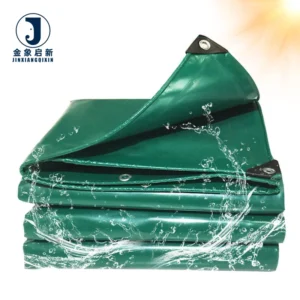
| Waterproof | Yes |
| Tear-Resistant | Yes |
| Outdoor Life | 3-5 years |
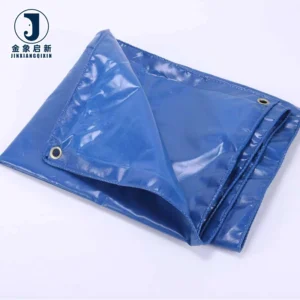
| Finish | Glossy / Matte |
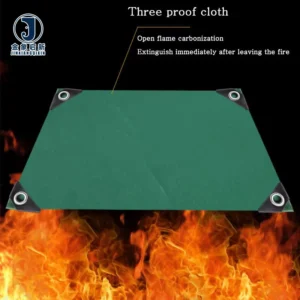
| Flame Retardant Grade | Available (grade not stated in source) |
| Anti-Static | Available (no standard or surface resistance stated) |
| Anti-Mildew | Available (grade not stated) |
| Anti-Cold | Available (grade not stated) |
| UV Treatment | Available (test basis not stated) |
| Roll Format | Available |
| Custom Size | Available |
Application Suitability
| Application | Exposure & Requirement |
|---|---|
| Truck side curtains | Repeated flexing, road abrasion, crosswind flap, UV exposure |
| Trailer load covers | Tie-down stress, weather exposure, corner abrasion at drop edges |
| Flatbed covers | Direct rain, debris impact, tension from ratchet straps |
| Tipper trailer enclosures | Dust ingress, mechanical abrasion from bulk load contact |
| Curtain-side trailer fabrication | High-frequency welding compatibility, consistent roll colour |
Why a Generic Truck Cover Fails Before the Fabric Does
Welded seams and eyelet zones fail at the point the load flexes most — the fabric is rarely the first thing to go.
Most PVC Coated Tarpaulin for Truck and Transport applications are cut to generic dimensions that ignore the specific trailer model. The result is slack that flaps in crosswinds, concentrating stress at corners and eyelet rows until the hem pulls away or the welded seam splits. Fleet operators replacing covers mid-route are paying for a sizing problem, not a material one. The base fabric and coating must be matched to the actual tie-down load and the trailer’s flex behaviour [NEED_CITE: tensile and tear test methods for coated fabrics per ISO 1421].
Cut-to-Model Fitment Eliminates the Slack That Tears Covers Apart
A PVC Coated Tarpaulin for Truck and Transport applications cut to exact trailer length, width and drop eliminates the excess fabric that flaps and abrades at speed. When the cover sits taut against the load, stress distributes evenly across the base fabric rather than concentrating at corners. This 1000×1000 denier base fabric supports that taut fit without stretching out of shape under sustained tension.
Eyelet Rows and Hem Reinforcement Built Around the Actual Tie-Down Pattern
Eyelet spacing must match the ratchet strap positions on the trailer, not a default interval that leaves unsupported spans between tie-downs. Reinforced hems at the drop edges absorb the load transfer when straps are tensioned, preventing the PVC coating from peeling away from the base fabric at the fold line. Fleet operators specifying custom covers should provide strap count and spacing alongside trailer dimensions.
Understanding the 1000×1000 Denier Base and 420 g Coating Weight
The 1000×1000 denier base fabric provides a balanced warp-and-weft density that resists tear propagation in both directions — critical for side curtains that flex repeatedly during loading and unloading. The 420 g weight includes both the base fabric and the knife coating, which penetrates the weave to lock the layers together. Knife coating delivers higher adhesion than lamination, meaning the PVC layer resists delamination at welded seams where heat is applied. The glossy or matte finish options affect surface cleanability and print adhesion, with glossy surfaces shedding road grime more readily during washdowns [NEED_CITE: coating adhesion test methods for PVC tarpaulin].
What Happens When Batch Colour Varies Across a Fleet Order
Rolls produced without batch-level colour control create visible differences once installed side by side on a fleet of trailers. A truck operator running twenty trailers under one corporate livery cannot accept half the fleet appearing slightly off-tone at the depot. QA-stage colour checking against the approved reference per roll prevents this, but only if the specification calls for it before production begins [NEED_CITE: colour consistency standards for coated textiles].
Why Sourcing This Fabric Works for Transport Applications
Three full production lines with 36 sets of equipment support bulk roll output with consistent on-time dispatch for fleet-scale orders. The 10-person R&D team handles cut-to-model pattern development and sample production within days for transport-specific sizing requests. Dedicated QA/QC at every production stage includes weight verification against the quoted 420 g specification before any roll ships. Custom width and length orders run on the same lines as stock grades, meaning batch consistency is maintained regardless of order size. ISO and CE certified processes underpin the production control from raw material intake to final roll packing.
Documentation & Verification
- Weight verification per roll against the stated 420 g before dispatch
- Material specification sheet listing base fabric denier, coating method and treatment options
- Test report for flame retardant or anti-static grades where required by transport compliance
- Pre-shipment inspection record confirming colour and dimension per roll
- Certificate of origin and customs documentation for cross-border shipment
- Roll packing list with individual roll identification for receiving inspection
Fabrication, Handling & Storage
- Hot-air welding temperature must suit the knife coated PVC layer to avoid delamination at seams
- Eyelet reinforcement patches should match the 420 g fabric weight to distribute tie-down load
- Store rolls upright on pallets to prevent flat-spotting and permanent creases in the coating
- Allow cold-stored rolls to reach ambient temperature before unrolling to prevent coating crack
- Cut patterns should nest trailer panels to minimise offcut waste from the roll width
- Clean glossy finish surfaces with neutral pH detergent to preserve the PVC coating surface
Preparing Your Specification for Quotation
Provide the trailer make, model and year alongside the required drop length and tie-down strap count for accurate cut dimensions. State the target market and any fire-retardant or anti-static compliance requirement the transport authority mandates. Confirm whether you need rolls for in-house fabrication or finished covers cut and hemmed to trailer dimensions.
Frequently Asked Questions
Q: How is GSM verified on arrival to match the quoted specification?
A: Each roll undergoes weight verification against the stated 420 g specification during pre-shipment inspection. The inspection record is included with dispatch documentation, allowing the receiving team to cross-check actual weight against the quotation without relying solely on the supplier’s label.
Q: What fire-retardant or anti-static certification is available for transport compliance?
A: Flame retardant and anti-static treatments are available in grades suited to transport regulations. The specific grade required depends on the operating region and transport authority. Provide the compliance standard your market requires, and the matching test report will be supplied with the shipment documentation.
Q: How are truck covers sized to fit specific trailer models rather than generic dimensions?
A: Provide the trailer make, model and year along with required length, width and drop. The R&D team develops a cut pattern matched to those dimensions, and a sample is produced for approval before the full order runs, ensuring the cover fits without slack or excess material.
Q: What eyelet spacing and hem reinforcement options are available for tie-down points?
A: Eyelet spacing is set to match your trailer’s strap positions rather than a default interval. Hem reinforcement uses additional PVC patches at fold lines and high-stress zones to distribute tie-down load across the 1000×1000 base fabric, preventing coating peel at the eyelet rows.
Q: How is colour consistency maintained across multiple rolls in a single fleet order?
A: Every roll in a fleet order is checked against the approved colour reference at the QA stage before packing. Rolls that fall outside the tolerance band are flagged and replaced, ensuring uniform appearance once installed across multiple trailers in the same fleet.