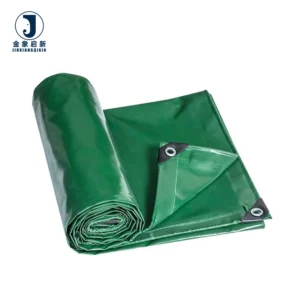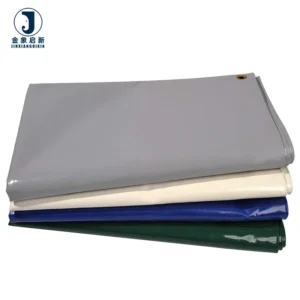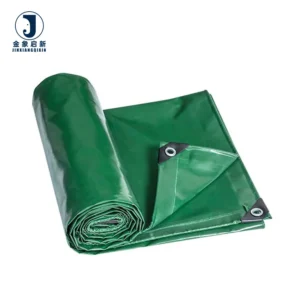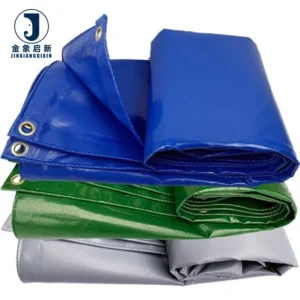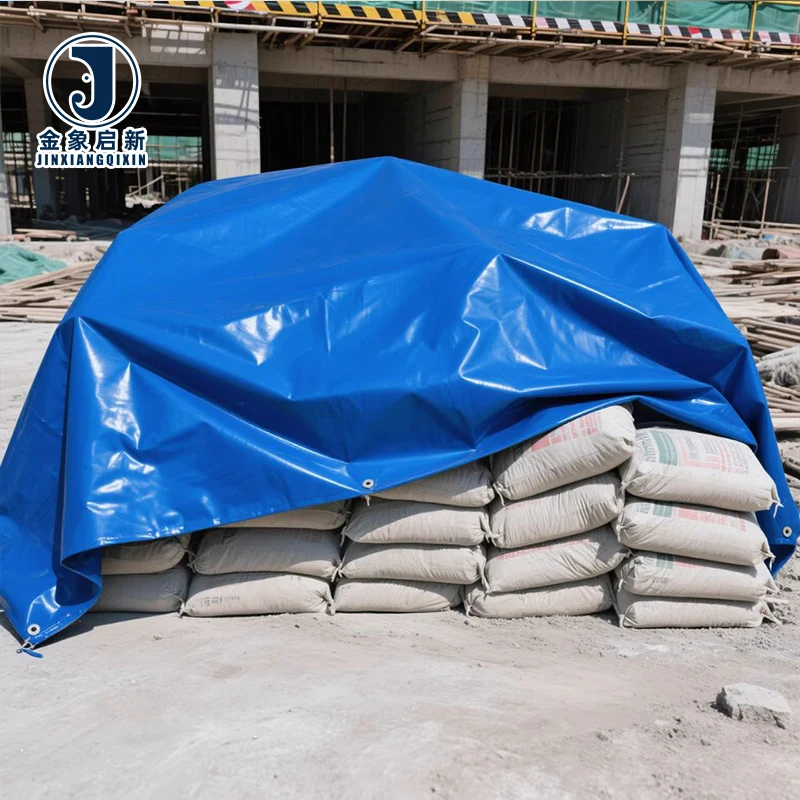
Custom Cut-to-Model Sizing — every PVC coated tarpaulin for truck and trailer cover is produced against verified vehicle dimensions, eliminating the material waste and cargo exposure caused by generic-size tarps.
Technical Specifications
| Parameter | Value |
|---|---|
| Product Type | PVC Coated Tarpaulin |
| Base Fabric Denier | 200D×300D, 500D×500D, 840D×840D, 1000D×1000D |
| Weight (GSM) | 250gsm-1500gsm (confirm the grade for this item) |
| Coating Material | PVC |
| Surface Finish | Glossy or Matte |
| Temperature Range | -15°C to 70°C |
| Color Options | Blue, Yellow, Black, Green, White, etc. |
| Size Options | 3x4m, 6x8m, 8x10m, 10x12m or custom made |
| UV Treatment | Customized (test basis not stated in source) |
| Flame Retardant | FR treated (grade not stated in source) |
| Anti-Fungal | Anti-fungal treated |
| Waterproof | Yes |
| Certifications | ISO, CE |
| OEM/ODM | Accepted |
Application Suitability
| Application | Exposure & Requirement |
|---|---|
| Long-haul trailer side curtains | Constant flexing at load points, road spray abrasion, UV exposure across climate zones |
| Flatbed and tipper top covers | Direct load contact, tie-down strap abrasion, wind flap stress at high speed |
| Fleet replacement covers | Model-specific fitment required to match existing eyelet and reinforcement patterns |
| OEM trailer manufacturing | Batch colour consistency across production runs, weld seam integrity for structural panels |
| Construction equipment transport | Heavy machinery contact, puncture risk from sharp edges, prolonged outdoor staging |
Why Generic Truck Covers Fail Within Months on the Road
A cover that does not match the actual trailer model will fail at the tie-down points long before the fabric itself degrades.
Fleet operators who source PVC coated tarpaulin for truck and trailer covers from generic stock catalogues frequently receive tarps cut to rounded dimensions that ignore wheel arch cutouts, tailgate profiles, and side curtain rail channels. The resulting excess fabric flaps in the slipstream, concentrates stress at the eyelets, and accelerates wear at the exact points where load flex is greatest. [NEED_CITE: stress concentration at eyelet points on oversized truck covers]
I have seen replacement covers returned within months not because the coating peeled or the base fabric tore, but because the hem line sat two inches above the tie-down rail, forcing every ratchet strap to pull at an angle. That angular load tears the reinforced hem away from the body fabric, and no amount of GSM or denier can compensate for a pattern that does not fit the vehicle.
Model-Specific Pattern Cutting for Fleet Fitment
Every PVC coated tarpaulin for truck and trailer application starts with the vehicle model drawing or a physical measurement sheet before cutting begins. We map wheel arch radii, door hinge clearances, tailgate overlap, and curtain rail channel depths into the pattern so that the finished cover sits flush against the trailer body without excess material gathering at stress points.
This approach means fleet operators ordering replacement covers for mixed fleets receive individual patterns for each trailer model rather than one generic template adjusted by hand on the shop floor. The result is consistent hem alignment across every vehicle in the fleet and predictable tie-down geometry that extends the service interval between replacements.
Welded Seam Integrity at High-Stress Junctions
The junction where a side curtain panel meets the top cover panel experiences the highest cyclic loading during transit, as the trailer chassis flexes over uneven road surfaces. [NEED_CITE: cyclic loading at welded seam junctions on transport covers] Heat-welded seams on PVC coated tarpaulin must achieve peel strength that matches or exceeds the tear resistance of the base fabric itself, otherwise the weld line becomes the first failure point.
We control welding temperature, dwell time, and pressure at each seam junction based on the specific denier and coating weight of the fabric being joined. A 1000D×1000D grade requires different thermal input than a 200D×300D lightweight curtain fabric, and treating all grades with a single welding recipe leads to either under-fused seams that delaminate or over-burned seams where the PVC coating degrades and becomes brittle.
Reading Denier, GSM, and Finish as a System
The base fabric denier defines the yarn thickness and, together with the weave density, establishes the tensile and tear strength floor of the material. A 1000D×1000D base fabric provides substantially higher resistance to tear propagation than a 200D×300D weave, making it the appropriate selection for flatbed covers carrying steel coil or heavy machinery where puncture and edge abrasion are constant.
GSM reflects the total weight of base fabric plus coating combined, and it cannot be read in isolation. A high GSM achieved through excessive coating on a light base fabric will feel heavy but will not resist tearing any better than the underlying weave allows. Conversely, a moderate GSM on a dense 840D×840D base may outperform a heavier grade built on a loose weave. The specification sheet must list both values for a meaningful comparison.
Surface finish selection — glossy or matte — affects more than appearance. Glossy PVC sheds road grime and allows faster wash-down, while matte finishes reduce glare for drivers operating alongside covered trailers and provide a better substrate for printed fleet branding where required.
Temperature range from -15°C to 70°C defines the operational envelope. Below the lower bound, PVC loses plasticiser mobility and becomes prone to cracking when folded or impacted; above the upper bound, the coating softens and may mark under tie-down strap pressure. Fleet routes that regularly exceed these boundaries require formulation adjustments that should be confirmed at the sample stage.
The Hidden Cost of Specifying by GSM Alone
When buyers select PVC coated tarpaulin for truck and trailer covers based solely on a GSM figure quoted on an invoice, they leave the denier, weave density, and coating ratio unspecified — and those are the parameters that actually determine how the fabric behaves under load. [NEED_CITE: relationship between base fabric denier and tear propagation in coated tarpaulins]
A cover that arrives lighter than the agreed GSM means either the coating was applied thin or the base fabric was swapped for a lower denier than specified. In both cases, the cover will abrade faster at contact points and the weld seams will carry a higher proportion of the structural load than they were designed for. This is not a cosmetic shortfall; it shortens the interval between fleet-wide replacement and compounds downtime across every vehicle running the deficient cover.
Procurement Advantages Built Into This Supply Chain
Pattern development begins from the trailer model drawing, ensuring that custom sizing for PVC coated tarpaulin for truck and trailer applications is verified before the first cut rather than adjusted after a dry fit on the shop floor.
Three full production lines and dedicated equipment sets support bulk roll output with consistent coating weight and colour across the order, which matters when a fleet takes delivery of twenty side curtains that must match under daylight inspection.
A ten-person R&D team handles material selection and sample development for specific denier grades, finish options, and treatment requirements, delivering sample panels for approval before production commitment.
QA/QC inspection covers every production stage, with pre-shipment verification that the roll leaving the factory matches the GSM, colour reference, and denier stated on the material specification sheet.
ISO and CE certification frameworks govern the production process, providing the documentation trail that fleet compliance audits and insurance assessments require.
Documentation & Verification
- Material specification sheet listing denier, GSM, coating weight, and colour reference per roll
- Pre-shipment inspection record confirming weight matches the agreed grade
- UV and flame retardant test reports provided where the specific grade is documented
- Custom sizing confirmation sheet cross-referenced to trailer model drawings
- Roll packing list with batch number for traceability across fleet installations
- Certificate of origin and customs documentation for cross-border shipments
Fabrication, Handling & Storage
- Heat welding parameters must be adjusted per denier grade — 1000D×1000D requires higher thermal input than 200D×300D to achieve full peel strength
- Eyelet spacing should be specified against the tie-down rail hole pattern to avoid field drilling through the coated surface
- Rolls should be stored upright on end caps to prevent flat-spot compression marks on the PVC coating
- Allow cold-stored rolls to reach ambient temperature before unrolling to avoid coating crack at fold lines
- Use pH-neutral cleaners on glossy or matte surfaces to prevent plasticiser extraction from the PVC layer
- Field repairs on punctures require compatible PVC repair tape applied to a clean, dry substrate
What to Include in Your Enquiry
Provide the specific truck or trailer model numbers, or supply measured dimension sheets with wheel arch, door, and rail channel details for each vehicle in the fleet. State the target denier grade or describe the cargo type and route conditions so we can recommend the appropriate base fabric and GSM combination.
If your market requires flame retardant or UV treatment, specify the compliance standard or certification body your end customer or local regulation demands. Confirm whether you need finished covers with welded hems and eyelets or roll stock for your own fabrication line.
Frequently Asked Questions
Q: How do I provide trailer model dimensions for a custom-fit truck cover?
A: Send the trailer manufacturer model number and production year, or provide a measurement sheet covering overall length, width, height, wheel arch radius, door hinge positions, and curtain rail channel depth. We build the cutting pattern from these references and share a dimensioned drawing for your approval before production begins.
Q: How is GSM verified on arrival to match the quotation?
A: Each roll carries a batch-specific inspection record that documents the measured GSM at multiple points across the roll width. You can cross-check this against the material specification sheet provided with the shipment. If your receiving process requires independent weigh verification, we can include cut samples marked with their measured weight.
Q: What eyelet spacing and hem reinforcement options are available?
A: Eyelet spacing is set to match your existing tie-down rail hole pattern, typically confirmed from the trailer model drawing. Hems are folded and heat-welded with an additional reinforcement strip at high-load zones such as corners and strap contact points. We adjust reinforcement width based on the denier grade and expected strap tension.
Q: How is batch colour consistency maintained across multiple fleet covers?
A: All rolls in a single fleet order are produced from the same coating batch using a single colour reference standard. Pre-shipment inspection includes a visual colour check under standardised lighting, and the batch number is recorded on the packing list so future reorders can be matched to the original production run.
Q: What fabric denier is recommended for different cargo types?
A: Lightweight curtain applications on enclosed trailers typically use 200D×300D or 500D×500D, while flatbed covers carrying steel, timber, or heavy machinery benefit from 840D×840D or 1000D×1000D for puncture and abrasion resistance. Share your cargo profile and route conditions so we can recommend the grade that balances weight, durability, and handling ease.