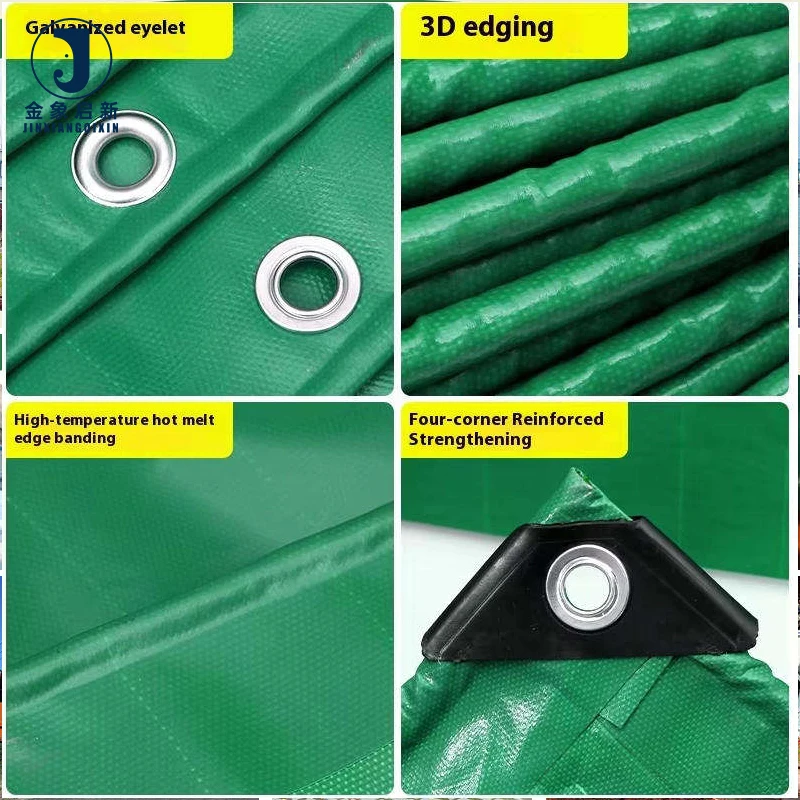
Truck Cover Expertise — Three dedicated production lines with high-frequency welding ensure every PVC tarpaulin roll for fleet application meets consistent seam integrity before dispatch.
Technical Specifications
| Parameter | Value |
|---|---|
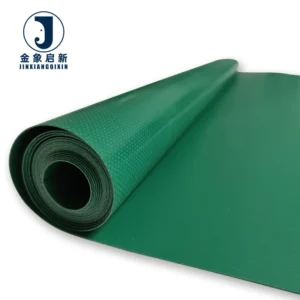
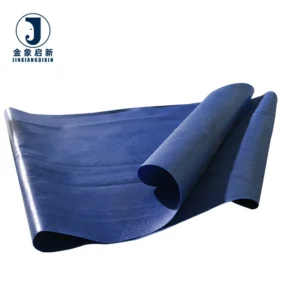
| Product Type | PVC Coated Tarpaulin Roll |
| Weight (GSM) | 500 to 800 grams per square meter (range covers product family — confirm the grade for this item) |
| Coating Material | PVC |
| Coating Method | Heat combined with high-frequency (source value — verify against manufacturer catalog) |
| Waterproof Rating | Anti-permeable ≥20KPa |
| Flame Retardant Grade | Flame retardant ≤10 seconds (grade not stated in source) |
| Low-Temperature Flexibility | Will not fracture under plier test at -30℃ |
| Chemical Resistance | Acid, alkali and brine corrosion resistance |
| Anti-Mildew | Mildew proofing properties stated (test basis not stated in source) |
| Water Absorption | Near-zero absorption, rapid drying after rain |
| Tensile Strength | High strength of tensile (standard not stated in source) |
| Certifications | ISO, CE |
Application Suitability
| Application | Exposure & Requirement |
|---|---|
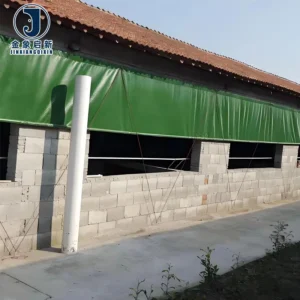
| Long-haul truck side curtain | Constant flexing at load points, highway wind pressure, road spray and rain ingress |
| Trailer top cover | Sustained UV and weather exposure, pooling water, abrasion from tie-down straps |
| Fleet mixed-route operation | Sub-zero cold-chain environments alternating with humid tropical conditions |
| Transport equipment OEM assembly | Consistent roll-to-roll grade for batch fabrication of custom-fit trailer covers |
Why Welded Seams Fail Before the Fabric Does on a PVC Coated Tarpaulin for Truck and Trailer
Seam separation at flex zones is the leading cause of premature truck tarp replacement, not fabric wear.
When a PVC tarpaulin roll for truck cover aftermarket supplier fabricates a side curtain, the weld line carries the same tensile load as the base fabric but often with less elongation capacity. Under highway vibration and load shifting, the heat-affected zone becomes the stiffest section of the panel — and the first to crack. [NEED_CITE: tensile and tear test methods for coated fabrics per ISO 1421]. High-frequency heat welding addresses this by fusing coating layers at the molecular level across the join, producing a seam that flexes with the surrounding fabric rather than resisting it.
High-Frequency Welding for Road-Grade Seam Integrity
The PVC coated tarpaulin for truck and trailer relies on high-frequency heat-welded seams rather than stitched-and-taped joins. Stitch holes create continuous water ingress paths that worsen under road vibration. High-frequency welding eliminates perforations entirely, bonding coating layers across the seam width so water cannot penetrate even under sustained rain exposure rated at ≥20KPa anti-permeable.
Cold-Chain and Winter Haul Flexibility
Fleet operators running sub-zero routes face a distinct failure mode: PVC becomes brittle when plasticiser migration slows in cold conditions. This material is verified not to fracture under plier test at -30℃, meaning a truck cover cut from this PVC tarpaulin roll for truck cover aftermarket supplier stock remains pliable enough to fold and unfold at loading docks in freezing weather without cracking along crease lines or weld seams. [NEED_CITE: low-temperature flexibility testing for plasticised PVC coated fabrics]
Decoding the Specification Sheet for Transport Applications
Weight in grams per square meter determines the total mass of coating and base fabric combined, but it does not isolate tensile or tear performance. Two rolls at the same GSM can differ substantially depending on base fabric denier, weave density and whether coating is applied by knife-over-roll or lamination. The waterproof rating of ≥20KPa anti-permeable indicates the hydrostatic head pressure the coated surface can sustain before moisture penetrates — a relevant measure for trailer top covers where pooling water occurs during parked periods. Chemical resistance to acid, alkali and brine matters for trailers operating near coastal ports or carrying agricultural loads where fertiliser dust contacts the inner surface. Near-zero water absorption ensures the cover does not gain significant weight after rainfall, reducing strain on tie-down hardware and curtain runners.
The Hidden Cost of Specifying on Price per Kilogram Alone
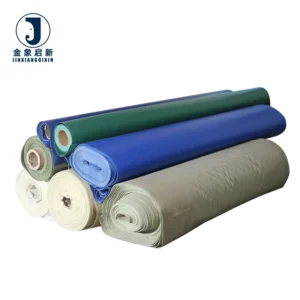
Buyers who select PVC tarpaulin roll stock on cost per kilogram often discover that a lighter grade was supplied — one that meets the invoiced weight but achieves it through thinner coating rather than lighter base fabric. The result is a cover that tears at eyelet points under normal tie-down tension. Batch-to-batch colour variation across rolls in a single order becomes visible once panels are hung side by side on adjacent trailers, forcing a full replacement rather than a targeted repair. [NEED_CITE: colour consistency standards for PVC coated fabrics across production batches]. Welded seam failures compound these costs because the labour to re-fabricate a curtain often exceeds the original material savings.
Why Source Truck Cover Tarpaulin Rolls Here
Three full production lines running dedicated coated fabric output support bulk roll orders with consistent on-time delivery for fleet fabrication schedules. A 10-person R&D team handles material selection and custom width development, so transport equipment builders can specify non-standard roll widths that reduce waste during trailer cover cutting. Every roll undergoes 100% inspection before dispatch — GSM is weighed and documented per roll, not sampled from a production batch. The QA process catches coating thickness variation and colour drift before rolls ship, preventing the batch inconsistency that causes visible panel mismatch on completed trailers. ISO and CE documentation accompanies each shipment for customs and compliance filing.
Documentation & Verification
- Material specification sheet stating base fabric denier, coating weight and waterproof rating per roll batch
- Pre-shipment inspection record confirming GSM matches agreed grade with roll-by-roll weighing data
- Flame retardant test report where applicable — confirm the grade required for your regional transport regulation
- Roll packing list and certificate of origin included for customs clearance at destination port
- ISO and CE certificates referenced on shipping documentation for buyer compliance records
Fabrication, Handling & Storage
- Set high-frequency welder frequency and pressure to match the 500-800 GSM range for consistent seam penetration
- Reinforce eyelet zones with additional PVC patches to distribute tie-down load across the coated base fabric
- Store rolls upright on pallets to prevent permanent creasing of the PVC coating layer under self-weight
- Allow rolls to acclimatise before unrolling in sub-zero conditions to avoid coating crack at the core
- Use PVC-compatible solvent cleaners only — aggressive alkaline solutions degrade the plasticised coating surface
What to Include in Your Enquiry
Specify your trailer model dimensions, the route climate conditions your fleet operates in, and whether you require rolls in standard stock widths or custom-cut panels. Confirm the flame retardant grade mandated by your regional transport safety authority so we can match the appropriate formulation. Let us know your annual roll consumption and target delivery schedule to align production runs.
Frequently Asked Questions
Q: How is the GSM of each roll verified before dispatch and what should I check on arrival?
A: Every roll is weighed individually during pre-shipment inspection and recorded against the agreed specification. On arrival, cut a measured sample from the roll end and weigh it on a calibrated scale to confirm it matches the documented GSM. Any discrepancy beyond normal coating tolerance should be reported with photographs before fabrication begins.
Q: What flame retardant grade does this tarpaulin meet and how does it align with transport safety regulations?
A: The material achieves flame retardant performance of ≤10 seconds, but the specific classification standard is not stated. Confirm the grade your market requires — such as M2, B1 or NFPA 701 — and request the matching test report before placing a bulk order to ensure compliance.
Q: How are welded seams tested to ensure they hold at flex points under real road vibration?
A: High-frequency welded seams are peel-tested to verify coating-to-coating bond strength exceeds the minimum threshold for transport-grade fabric. For fleet-specific validation, request a sample panel with welds at typical curtain stress points so your workshop can conduct in-house flex testing before committing to a full production order.
Q: Can rolls be cut to match my specific trailer model dimensions?
A: Custom cut-to-size panels are available based on your trailer model drawings, eliminating generic sizing that causes flapping and premature abrasion. Provide exact curtain dimensions including hem allowance and eyelet positions so the fabrication matches your existing runner and tie-down hardware configuration.