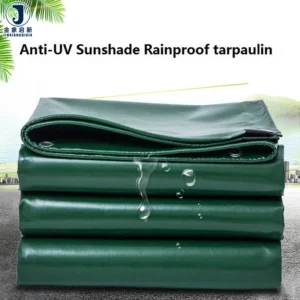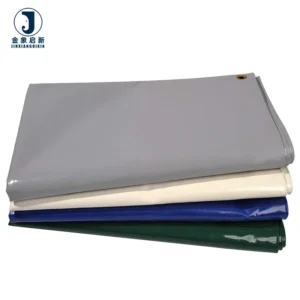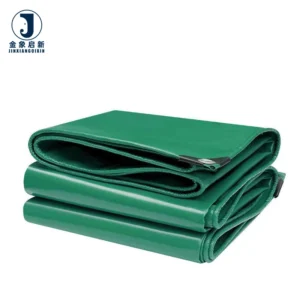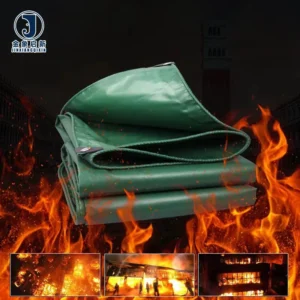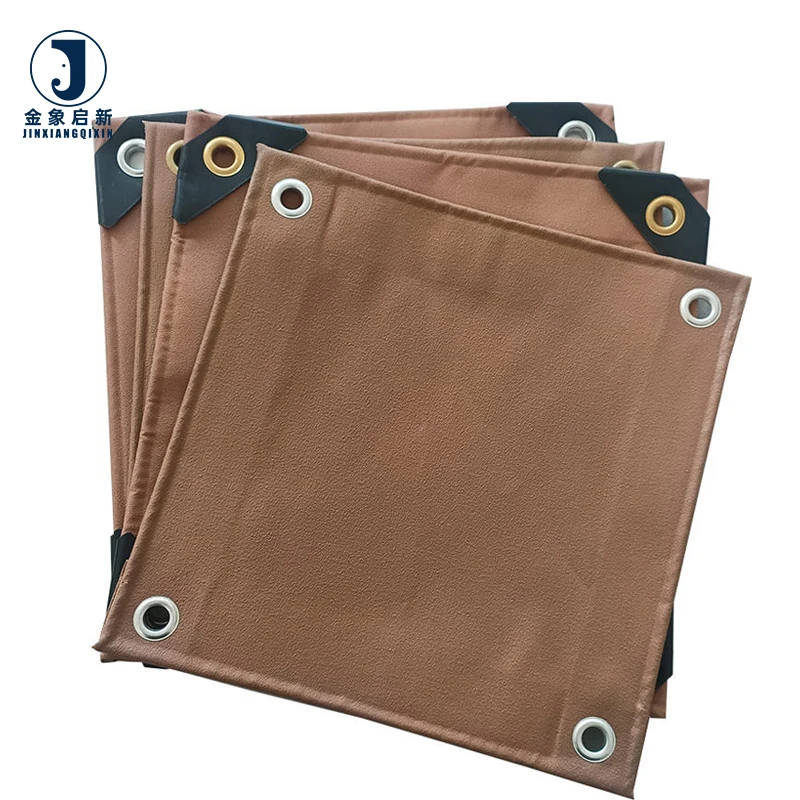
Fleet-Grade Coated Fabric — engineered for repeated load flexing and road weather exposure, with reinforced construction at stress points where generic covers typically fail.
Technical Specifications
| Parameter | Value |
|---|---|
| Product Type | PVC Coated Tarpaulin |
| Weight | 500gsm / 600gsm |
| Base Material | PVC Coated Polyester Fabric |
| Waterproof Rating | Fully waterproof coated construction |
| Flame Retardant | Available in flame retardant grades — confirm the grade required for your market |
| Anti-Static | Available in anti-static grades — confirm the standard required for your site |
| Anti-Mildew | Anti-mildew treated |
| Temperature Treatment | Anti-cold treatment available for low-temperature transit environments |
| Outdoor Service Life | 1–3 years (verify against specific exposure conditions) |
| Certification | ISO 9001, CE |
| Customization | Custom sizing to specific truck and trailer models |
Application Suitability
| Application | Exposure & Requirement |
|---|---|
| Flatbed trailer cargo cover | Constant road vibration, tie-down strap abrasion at flex points, wind-driven rain and debris impact |
| Curtain-sider side curtain replacement | Repeated folding and sliding on track, UV exposure on parked vehicles, thermal expansion and contraction |
| Construction equipment transport cover | Mud and aggregate splash, site dust ingress, heavy tie-down loads on irregular equipment profiles |
| Tipper truck load enclosure | High-flex articulation at tailgate, chemical exposure from aggregate or waste loads, driver visibility requirements |
Why Generic-Sized Covers Cost More Than Custom-Cut PVC Coated Tarpaulin for Truck Cargo Cover
A cover that matches your exact trailer dimensions eliminates rework, reduces tie-down failures, and prevents load exposure during transit.
Fleet operators often order off-the-shelf truck covers assuming standard dimensions will suffice. In practice, a generic cover that is even slightly oversized creates excess fabric that flaps at highway speed, accelerating wear at the eyelet line and hem. Covers that are too small force operators to stretch the material beyond its working limit, concentrating stress at the welded seams where load movement is greatest. The result is a replacement cycle that begins long before the fabric itself has reached the end of its service life. [NEED_CITE: common causes of premature tarpaulin failure in transport fleet operations]
Matching the Cover to the Trailer Model, Not the Catalogue
Every trailer manufacturer specifies body dimensions, tie-down rail positions and headboard clearances that differ between models and production years. A PVC coated tarpaulin for truck cargo cover that is cut to those exact measurements places eyelets directly over the vehicle’s lashing points, distributing strap tension evenly across the fabric rather than pulling it diagonally. This alignment reduces localized stress at the grommet ring, which is where most field repairs begin. When the cover geometry mirrors the trailer geometry, installation time drops and the cover sits flush against the load, reducing wind lift at speed.
Reinforcement Where the Load Flexes Most
The highest failure rate on a truck cover does not occur on the flat panel — it occurs at the fold line where the cover wraps over the load edge and at the hem where tie-down straps exit the fabric. Reinforced hems with doubled material and high-frequency welded seams at these stress zones extend the interval between replacements. For curtain-sider applications, the vertical slide track creates a continuous abrasion line that demands a fabric weight and coating adhesion level matched to the frequency of curtain operation. Specifying 500gsm or 600gsm PVC coated fabric with reinforced edge construction addresses these specific wear patterns rather than relying on thickness alone. [NEED_CITE: coated fabric tensile and tear test methods per ISO 1421]
Reading the Weight and Weave Together
GSM tells you how much coating and base fabric is present per square metre, but it does not separate coating weight from yarn density. Two covers rated at 600gsm can have very different tear propagation behaviour depending on whether the base polyester fabric uses a high-denier, low-density weave or a lower-denier, high-density construction. The PVC coating method — knife-over-roll, dip, or calender — determines how deeply the polymer penetrates the weave, which in turn governs peel strength at welded seams. A deeper penetration generally supports stronger thermal welds, critical for truck covers where the seam must outlast the panel. Surface finish, whether glossy or matte, influences dirt adhesion and cleaning effort in depot maintenance routines. Anti-cold treatment modifies the low-temperature flexibility of the PVC compound, preventing cracking when covers are folded or deployed in winter transit conditions.
The Hidden Cost of Wrong Specification Choices
A cover specified without reference to the actual trailer model arrives on site and requires additional eyelets drilled in the field, each one a potential water ingress point and tear initiation site. Selecting a flame retardant grade that does not match the destination market’s fire safety classification leads to rejected loads at terminal inspection, with the vehicle held until a compliant cover is sourced. Colour variation between rolls in a multi-cover fleet order becomes visible when vehicles are parked side by side, prompting complaints from clients who associate inconsistent appearance with inconsistent service. Welded seams that fail before the fabric body indicate a mismatch between the welding temperature, dwell time and the specific coating chemistry of the material supplied. [NEED_CITE: DIN 4102 fire classification for building materials and transport covers]
Procurement Backed by Process Control
Three full production lines and dedicated equipment sets maintain batch consistency across repeat orders, so the cover material your fleet receives this quarter matches the last. A ten-person R&D team develops cut patterns and reinforcement layouts against your specific trailer drawings before production begins, not after. Every roll undergoes in-process quality checks against stated GSM and coating weight, with a 100% pre-shipment inspection that catches defects before they reach your depot. Sample panels are produced within days for custom sizing and treatment requirements, allowing you to verify fit and weld behaviour before committing to a fleet order. Documentation accompanies each dispatch — specification sheets, test reports and packing lists — so your compliance file is complete on arrival.
Documentation & Verification
- Material specification sheet confirming GSM, base fabric denier and coating weight for each roll
- Test reports for flame retardant and anti-static grades where site compliance requires them
- Pre-shipment inspection record with roll-by-roll weight verification against stated values
- Custom sizing confirmation sheet matching cover dimensions to specific trailer model drawings
- Certificate of origin and customs documentation for cross-border fleet procurement
Fabrication, Handling & Storage
- Weld 500gsm and 600gsm PVC coated panels with high-frequency equipment calibrated to the coating formulation
- Position eyelets at measured intervals aligned to the trailer’s lashing rail, not at generic spacing
- Store rolls upright on cores to prevent flat-spot creases that weaken the coating at fold lines
- Allow cold-stored covers to reach ambient temperature before unfolding to avoid cracking the anti-cold treated surface
- Clean with mild detergent only — solvent-based agents degrade the PVC coating adhesion at seams
- Repair minor field cuts with PVC-compatible adhesive patches matched to the coating weight grade
What We Need to Quote Your Fleet Covers Accurately
Provide the trailer manufacturer, model designation and body dimensions so the cover pattern matches the vehicle precisely. Specify the operating environment — temperature range, chemical exposure from cargo, and any fire safety classification required at your terminals or customer sites. Indicate whether you need finished covers with hems and eyelets or roll stock for in-house fabrication, and confirm the order volume to align production scheduling with your fleet replacement cycle.
Frequently Asked Questions
Q: How do I confirm the right cover size for my specific trailer model?
A: Provide the trailer manufacturer, model code and production year. We develop a cut pattern against those dimensions, including eyelet placement aligned to your vehicle’s lashing points. A sample panel can be produced for fit verification before the full order enters production.
Q: Is the GSM on the quotation verified on the finished cover?
A: Each roll is weighed and cross-referenced against the stated 500gsm or 600gsm specification during in-process quality checks. A pre-shipment inspection record confirming weight verification accompanies every dispatch, so you can reconcile the delivered material against your purchase order.
Q: What fire-retardant or anti-static certifications are available?
A: Flame retardant and anti-static treatments are available in multiple grades. Specify the classification required by your destination market or terminal operator, and we supply the corresponding test report with your shipment to support compliance documentation.
Q: How are seams and hems reinforced at high-stress points?
A: Hems are doubled and high-frequency welded at fold lines where tie-down straps exit the cover. The welding parameters are calibrated to the PVC coating formulation to ensure the seam peel strength matches or exceeds the base fabric tensile capacity.
Q: What outdoor service life should I expect from this material?
A: The 500gsm and 600gsm PVC coated construction is rated for one to three years of outdoor exposure depending on UV intensity, operating temperature and mechanical wear frequency. Anti-cold and anti-mildew treatments extend performance in specific environmental conditions.