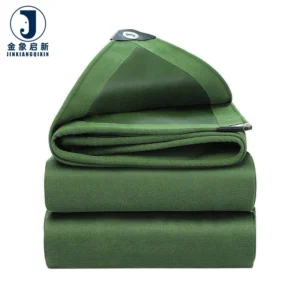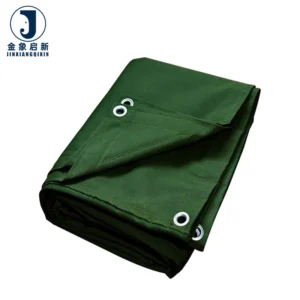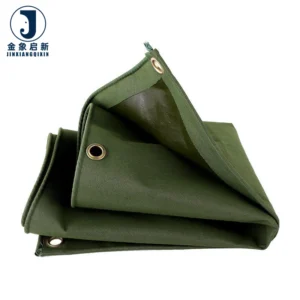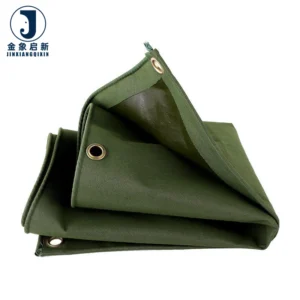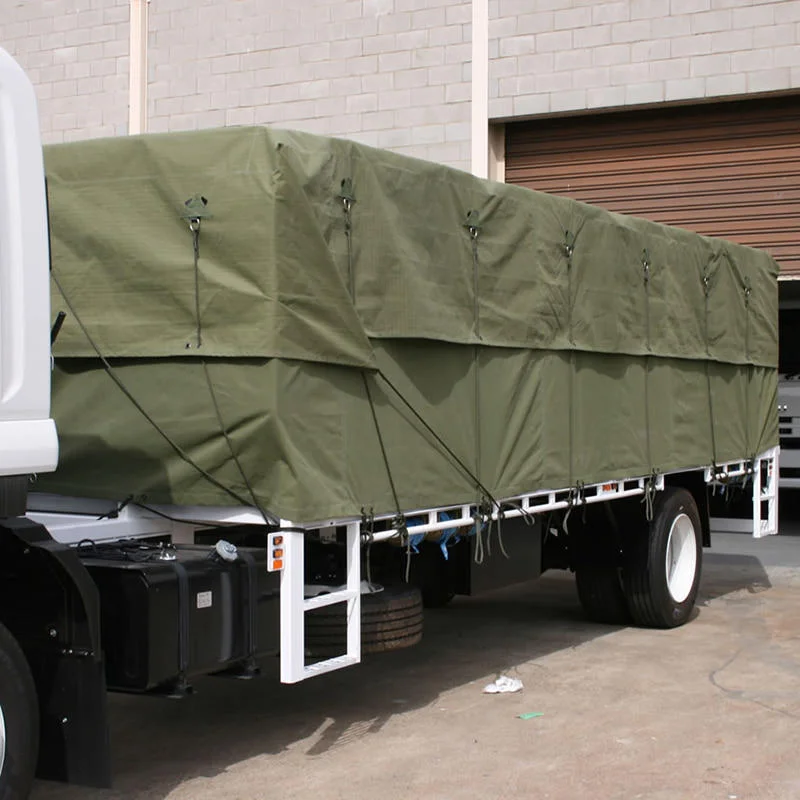
Precision-Engineered Truck Covers — 100% pre-shipment inspection verifies GSM, colour and weld integrity before every dispatch leaves our facility.
Technical Specifications
| Parameter | Value |
|---|---|
| Product Type | PVC Coated Tarpaulin Truck Cover |
| Material | PVC + High-strength polyester mesh fabric |
| Coating Method | Laminated technology & Hot-melt Coating technology |
| Color Options | Blue / Red / Yellow / Light blue / Grey (Customizable) |
| Weight Range | 350gsm / 420gsm / 500gsm / 550gsm / 600gsm / 750gsm |
| Thickness Range | 0.32mm / 0.35mm / 0.4mm / 0.45mm / 0.5mm / 0.65mm |
| Roll Size | 2m width × 75m length / 2.1m width × 50m length |
| Key Features | Cold crack resistance, anti-mildew, anti-static treatment, waterproof, sunproof, high colour fastness |
| Standards | ISO, CE |
Application Suitability
| Application | Exposure & Requirement |
|---|---|
| Truck side curtain fabric | Constant flexing at load points, road debris abrasion, wind-driven rain, UV exposure on long-haul routes |
| Trailer flatbed load cover | Heavy tie-down strap pressure, friction against cargo edges, repeated folding and unfolding in yard operations |
| Cargo ship deck tarpaulin | Salt spray, sustained wind loads, prolonged moisture contact, mechanical handling stress during port operations |
| Construction equipment cover on transport | Vibration-induced abrasion, dust ingress, tight ratchet strap tension at corner folds |
When the Quoted GSM Does Not Match What Arrives at Your Dock
Verified weight per roll, confirmed before dispatch — not after you open the container.
Fleet operators and transport equipment builders regularly face a frustrating reality: the PVC coated truck tarpaulin cover ordered at one weight grade arrives measurably lighter. A 600gsm specification on paper may deliver 560gsm on the scale, compromising the tensile strength the cover was selected for. This discrepancy rarely shows up until the fabric is under tension on a moving trailer, where the margin between adequate and insufficient coating weight becomes the difference between a cover that lasts and one that splits at the first hard flex. [NEED_CITE: coating weight verification methods per ISO 3801 for textile fabrics]
The PVC coated truck tarpaulin for fleet and transport must deliver consistent weight and coating adhesion across every linear metre, because transport covers experience stress patterns that static applications never encounter. When a loaded trailer rounds a corner at highway speed, the side curtain fabric absorbs lateral load, road vibration and wind-induced flutter simultaneously. Any weak point in coating weight or base fabric density becomes the initiation site for a tear that propagates along the warp or weft line.
Custom Fitment That Matches Your Trailer Model, Not a Generic Template
Transport equipment builders and fleet operators need truck covers that align precisely with the dimensions of each trailer in service. A PVC coated truck tarpaulin for fleet and transport cut to generic measurements leaves excess material flapping in crosswinds or falls short at the rear roller, exposing cargo. We confirm sizing against trailer model drawings before production begins, ensuring the finished cover accounts for hem allowance, eyelet spacing and the specific tie-down geometry of each vehicle. This approach eliminates the material waste and refitting delays that generic cut sizes create for operators managing mixed fleets.
Coating Adhesion at Welded Seams Under Repeated Load Flexing
The hot-melt coating technology used on these truck covers delivers a bond between the PVC layer and the polyester base fabric that resists delamination at welded seams. When a side curtain flexes thousands of times over long-haul routes, the adhesive strength at the weld line determines whether the seam holds or peels apart. Laminated technology complements this by ensuring uniform coating thickness across the full fabric width, so the material behaves consistently whether it is welded along the warp or the weft direction. Transport equipment builders specifying side curtain fabric need this predictability, because inconsistent adhesion creates seams that fail before the fabric itself shows wear. [NEED_CITE: peel strength test methods for coated fabrics per ISO 2411]
How GSM, Coating Method and Base Fabric Density Interact
The weight of a PVC coated truck tarpaulin reflects both the base fabric density and the coating mass applied to each side. A higher GSM does not automatically mean a stronger cover if the additional weight comes from heavier coating rather than a denser polyester mesh. The high-strength polyester mesh fabric in this product range provides the tensile and tear foundation, while the PVC coating applied through laminated and hot-melt technology adds waterproofing, abrasion resistance and the adhesion surface required for thermal welding. Cold crack resistance ensures the material remains pliable in sub-zero transport conditions, preventing brittle fracture when a frozen cover is folded or subjected to sudden load shift.
The Hidden Cost of Specification Mismatches in Fleet Orders
When colour varies between rolls in the same fleet order, the difference becomes visible the moment two panels are installed side by side on adjacent trailers. This inconsistency forces operators to reorder or accept a mismatched appearance across their fleet, undermining the professional presentation that branded transport companies depend on. Similarly, when welded seams are produced without matching the thermal profile to the specific coating thickness and base fabric, the seam becomes the weakest point in the entire cover. The load flexes, the weld cracks, and cargo is exposed — not because the fabric failed, but because the fabrication parameters were not calibrated to the material grade supplied. [NEED_CITE: thermal welding parameters for PVC coated polyester fabrics]
Why Source PVC Truck Covers Through This Facility
Three full production lines and 36 sets of professional equipment support bulk truck cover orders with consistent output quality and reliable scheduling for fleet operators. A 10-person R&D team handles material selection, custom sizing and pattern development specific to trailer model requirements, confirming dimensions before production starts. Dedicated QA/QC at every production stage means coating weight, colour matching and weld seam integrity are checked in-process rather than only at final inspection. Pre-shipment inspection covers 100% of the order, verifying that the PVC coated truck tarpaulin for fleet and transport matches the quotation in every measurable parameter before it leaves the facility.
Documentation & Verification
- Material specification sheet stating base fabric denier, coating method and weight per grade for each roll
- GSM verification record confirming actual weight matches the quoted specification before dispatch
- Colour consistency check across all rolls within the same fleet order
- Pre-shipment inspection record documenting weld seam integrity and dimensional accuracy
- ISO and CE certificates supplied with each shipment for customs and compliance requirements
Fabrication, Handling & Storage
- Hot-weld seams using temperature profiles matched to the selected GSM grade for consistent peel strength
- Reinforce hem edges at tie-down eyelet positions to distribute strap load across the polyester mesh base
- Store rolls horizontally on pallets to prevent permanent creasing in the PVC coating layer
- Allow cold-stored rolls to reach ambient temperature before unrolling to preserve cold crack resistance
- Clean with mild detergent only — avoid solvents that degrade the hot-melt coating bond on the fabric surface
- Plan cut layouts to minimise offcuts when working with the 2m or 2.1m roll widths for trailer panels
What We Need to Move Your Inquiry Forward
Provide the specific trailer model or dimensional drawings so we can confirm cut-to-fit sizing for each cover in your order. Indicate the operating environment — temperature range, exposure to chemicals or salt spray, and any tie-down system details — so the correct GSM grade and treatment level can be recommended. If your fleet requires colour matching or printed branding across multiple vehicles, share the reference colours and quantity per variation so we can confirm batch consistency and production scheduling.
Frequently Asked Questions
Q: How is GSM verified on arrival to match the quoted specification?
A: Every roll undergoes weight verification against the stated GSM during our pre-shipment inspection. A verification record is included with the dispatch documentation, showing the measured weight per unit area for each roll in your order. This ensures the PVC coated truck tarpaulin cover arriving at your facility matches the specification on the original quotation.
Q: Can truck covers be cut to fit specific trailer models rather than generic sizes?
A: Yes. We work from trailer model drawings or dimensional specifications you provide, confirming cut sizes before production begins. This custom sizing accounts for hem allowances, eyelet placement and the tie-down geometry of each specific vehicle, eliminating the fit problems that generic-size covers create for fleet operators.
Q: How do you ensure welded seams survive repeated flexing at load points?
A: Hot-melt coating technology delivers strong adhesion between the PVC layer and the polyester base fabric at weld seams. Thermal welding parameters are calibrated to the specific GSM grade and coating thickness, so the seam maintains peel strength through repeated flexing under load on long-haul transport routes.
Q: How is colour consistency maintained across multiple rolls in the same fleet order?
A: All rolls for a single order are produced within the same batch run, with colour checked against the approved reference during in-process QA. The pre-shipment inspection includes a side-by-side colour comparison across rolls, ensuring uniform appearance when panels are installed on adjacent trailers in your fleet.
Q: What eyelet and reinforced hem options are available for tie-down systems?
A: Hem reinforcement is applied at stress points where tie-down straps and ropes contact the cover edge. Eyelet spacing and placement are configured to match the tie-down geometry of your specific trailer model, distributing load across the high-strength polyester mesh base fabric to prevent pull-through under tension.