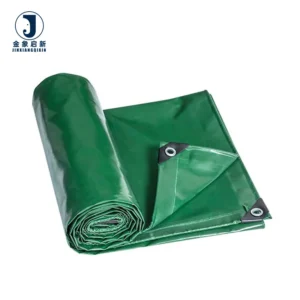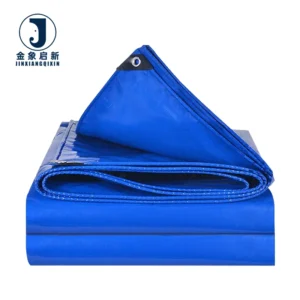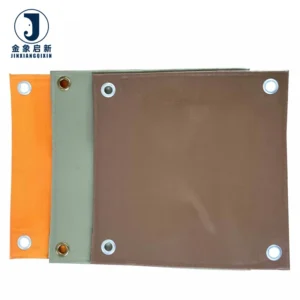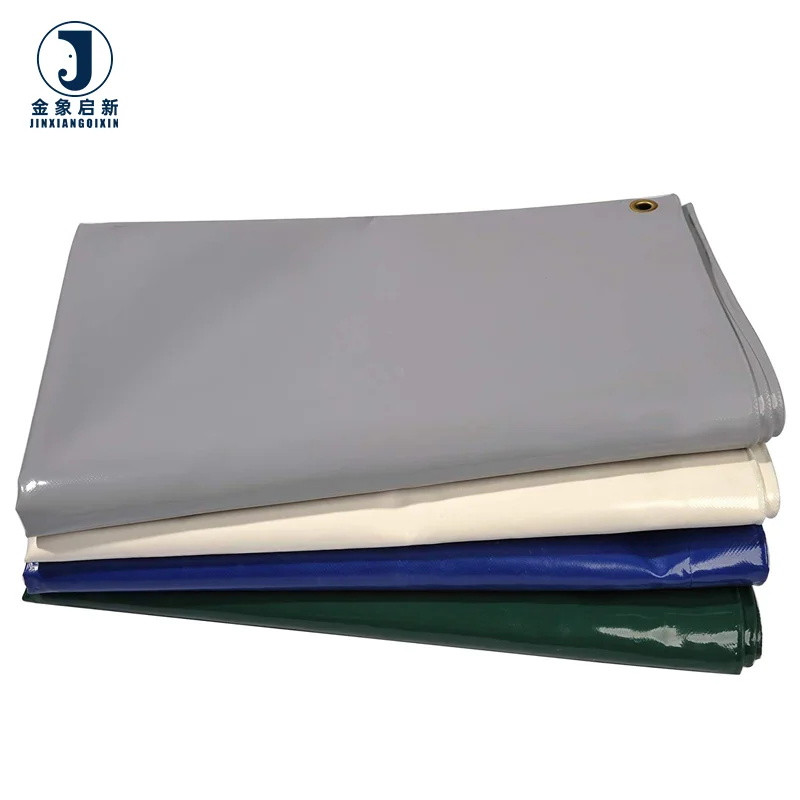
Precision Fitment Engineering — Custom-cut truck covers manufactured to your exact trailer model dimensions, eliminating the gap between generic sizing and actual fleet vehicles.
Technical Specifications
| Parameter | Value |
|---|---|
| Product Type | Flame Retardant PVC Coated Tarpaulin |
| Material Composition | Polyester Base Fabric + Double-Sided PVC Coating |
| Base Fabric Denier Options | 500D×840D / 500D×1000D / 1000D×1000D / 1000D×1300D / 1300D×1300D / 1000D×2000D |
| Weight Range | 350 g/m² to 900 g/m² (confirm required grade) |
| Total Thickness Range | 0.29 mm to 0.65 mm |
| Tensile Strength (Warp) | 1650 N to 3900 N (test standard not stated) |
| Tensile Strength (Weft) | 1600 N to 3500 N (test standard not stated) |
| Mesh Count (Density) | 30×19 / 20×20 / 30×15 |
| Flame Retardant Grade | Available in flame retardant grades — confirm the grade required for your market |
| UV Treatment | Anti-UV treatment available (test basis not stated) |
| Waterproof Performance | Waterproof, Water Resistant |
| Edge Construction | High temperature heat sealed seamless edge wrapping |
| Rope Reinforcement | 5mm thick rope without splicing |
| Eyelets | 3cm enlarged aluminum alloy buttonhole, reinforced corners |
| Brittle Temperature | ≤ -50°C to -60°C |
| Softening Temperature | ≥ 80°C |
| Melting Point | 212°C |
| Density Parameter | 1.15–2.00 g/cm³ |
Application Suitability
| Application | Exposure & Requirement |
|---|---|
| Long-haul truck and trailer covers | Constant highway wind load, flex-point abrasion at tie-downs, UV exposure, multi-directional pulling on eyelets |
| Flatbed cargo enclosures | Road debris impact, weather ingress prevention, load retention under vibration |
| Heavy machinery transport covers | Puncture risk from sharp edges, repeated folding and unfolding during loading cycles |
| Side curtain fabric for tautliners | Continuous flexing along curtain runners, friction wear at contact points, weather sealing at overlap joints |
| Construction equipment transport | Abrasive dust exposure, oversized load dimensions requiring custom fitment |
Why Generic Truck Covers Fail Where Highway Wind Meets Fabric
A tarpaulin that fits your trailer model exactly will outlast a generic cover by resisting the specific stress points created by aerodynamic load.
Fleet operators regularly encounter covers that billow at speed, concentrate stress at poorly placed eyelets, and ultimately tear at the seams long before the fabric itself shows wear. The root cause is rarely the base material — it is the disconnect between the cover dimensions and the actual geometry of the trailer. When a Flame Retardant PVC Tarpaulin for Truck and Transport is cut to generic measurements, excess fabric flaps in the slipstream, generating cyclic fatigue at every attachment point. [NEED_CITE: cyclic fatigue failure modes in flexible transport covers]
The problem compounds when eyelets are spaced at standard intervals that do not align with the vehicle’s tie-down rails. Load concentrates on fewer anchor points, and the reinforced corners take forces they were not positioned to handle. We have seen transport fleets replace entire cover sets within months because the procurement specification focused on GSM and ignored fitment entirely.
Model-Specific Cut Patterns Eliminate Highway Wind Damage
Every trailer manufacturer produces beds, headboards, and curtain runners with distinct profiles. A cover that accounts for these specific dimensions sits flush against the load, reducing the fabric movement that causes fatigue cracking at the hem line. When you specify a Flame Retardant PVC Tarpaulin for Truck and Transport through our process, we build the cut pattern from the actual trailer model data rather than applying a standard template.
This approach means the rope-reinforced hem follows the precise contour of the trailer edge, and the 3cm aluminum alloy eyelets align directly with the vehicle’s tie-down points. Load distributes evenly across all anchors during transit, preventing the localized stress that tears generic covers apart at highway speeds.
Heat-Sealed Edge Wrapping at Flex Points
The transition between the main fabric panel and the hem is where most transport covers experience their first failure. Conventional stitched hems create needle holes that become crack initiation points when the fabric flexes under wind load and tie-down tension. Our heat-sealed seamless edge wrapping process fuses the PVC coating through the fold, creating a bonded joint that moves as a single layer with the main panel.
The 5mm spliced-free rope inserted into the hem provides a continuous load path around the entire cover perimeter. When a ratchet strap pulls against an eyelet, the force travels through the rope and distributes across the heat-sealed zone rather than concentrating at a single stitch line. This construction is particularly important for side curtain applications where the fabric cycles through thousands of flex events along the runner system. [NEED_CITE: heat-sealed versus stitched seam performance in coated fabric transport covers]
Reading the Specification Sheet Beyond GSM
Weight per square meter tells you how much PVC coating has been applied to the base fabric, but it does not describe the structural skeleton that carries the tensile load. Two covers rated at the same GSM can have vastly different tear propagation resistance depending on the base fabric denier and weave density. A 1000D×2000D polyester base at a given weight will resist tearing substantially better than a 500D×840D base at the same weight, because the individual yarns are thicker and require more force to break.
Mesh count works in conjunction with denier to determine how a tear spreads once initiated. A tighter weave such as 30×19 restricts the path a tear can follow, forcing it to break more yarns as it propagates. The PVC coating itself contributes waterproofing and surface abrasion resistance, but the polyester base fabric is the structural element that holds the cover together under tie-down tension and wind load. Understanding this relationship prevents the common procurement error of selecting purely on GSM.
The coating adhesion to the base fabric determines how well the layers perform together under flex cycling. When adhesion is insufficient, the PVC coating delaminates from the polyester at fold lines and hem junctions, exposing the base yarns to moisture and UV degradation.
The Cost of Ignoring Fitment in Your Specification
A transport cover that does not match the trailer profile creates a cascade of operational problems that extend well beyond the cost of the fabric itself. Excess material flaps in the wind stream, increasing fuel consumption across the fleet and generating noise complaints at loading docks. More critically, the billowing motion accelerates wear at every attachment point, turning a cover that should serve through extended service into a replacement line item within months.
When seams fail on the road, the exposed load faces weather damage, regulatory scrutiny at weigh stations, and potential cargo claims. The procurement saving from choosing a generic-sized cover is consumed many times over by these downstream costs. [NEED_CITE: total cost of ownership for transport fleet tarpaulin replacement cycles]
We have reviewed cases where fleet operators cycled through three sets of generic covers in the time a model-specific set remained serviceable. The initial unit price difference becomes irrelevant when measured against the cumulative cost of replacement labor, cargo exposure incidents, and vehicle downtime during cover changes.
What Supports This Product Beyond the Fabric Roll
Three full production lines and 36 sets of professional equipment allow us to run model-specific cut patterns without forcing fleet orders into minimum quantities designed for commodity rolls. A transport operator covering a mixed fleet of different trailer models can order covers for each vehicle type in the quantities the fleet actually requires.
The 10-person R&D team develops cut patterns and edge reinforcement specifications based on the trailer model data you provide, rather than applying a universal template. This engineering step happens before production begins, which means the sample you approve reflects the actual fitment the production run will deliver.
Dedicated QA/QC inspects every cover at the heat-sealed seams, eyelet reinforcement zones, and corner patches before shipment. The inspection verifies that the rope reinforcement runs continuously without splices and that the aluminum alloy eyelets seat flush without fabric distortion around the crimp.
Deep process control over coating weight means the GSM stated on your quotation is the GSM that arrives at your dock. We verify coating adhesion and weight at the production stage, not only at final inspection, which prevents the discrepancy between quoted specification and delivered material that causes so many disputes in this category.
Samples for custom sizing and edge construction are developed within days, allowing you to physically verify fitment on the actual trailer before committing to the full production run.
Documentation & Verification
- Material specification sheet confirming exact GSM, base fabric denier, and coating weight for each roll
- Flame retardant test report matching the grade required by your transport safety regulations
- Pre-shipment inspection record covering heat-sealed seam integrity and eyelet pull-through resistance
- Dimension verification report confirming cut pattern against your trailer model drawings
- Roll packing list with individual cover identification for mixed-fleet orders
- Certificate of origin and customs documentation for cross-border logistics
Fabrication, Handling & Storage
- Heat-seal temperature and dwell time must match the PVC coating thickness to achieve full bond penetration at seams
- Eyelet crimping pressure should compress the 3cm aluminum alloy buttonhole without cutting the surrounding reinforcement fabric
- Store rolls upright on end cores to prevent flat-spot creasing that becomes visible after unfolding on the trailer
- Allow cold-stored rolls to reach ambient temperature before unrolling to prevent PVC coating crack at the brittle threshold
- Clean surfaces with mild detergent only — solvent-based cleaners can soften the PVC coating and reduce surface abrasion resistance
- Field repairs on heat-sealed seams require compatible PVC weld tape applied at the correct temperature to match the original bond strength
Specifying Your Transport Cover Requirement
Provide the trailer manufacturer, model designation, and bed dimensions so we can develop the cut pattern against the actual vehicle geometry rather than a standard size chart. Include your tie-down rail configuration and eyelet spacing preference to ensure the anchor points align with your existing strap and ratchet hardware.
Specify the flame retardant grade required by your operating jurisdiction and whether your fleet operates in conditions requiring anti-UV treatment verification. Let us know if you need finished covers with hem and eyelet construction, or if your workshop handles fabrication from roll stock.
Frequently Asked Questions
Q: How do you ensure the tarpaulin fits my specific trailer model?
A: We build the cut pattern from your trailer manufacturer and model data, not from a generic size template. The sample is developed for physical fitment verification on your actual vehicle before production proceeds. This ensures the hem line follows the trailer contour and the eyelets align with your tie-down rails, eliminating the billowing and stress concentration that generic covers create at highway speed.
Q: What flame-retardant certifications are available for transport covers?
A: Our PVC coated tarpaulin is available in flame retardant grades to suit different market requirements. We provide test reports confirming the specific grade achieved. You should verify the fire classification standard required by your operating jurisdiction and your cargo insurance provider, then confirm the grade needed so we can match the correct material specification to your compliance obligation.
Q: How does the heat-sealed edge construction prevent highway wind damage?
A: Heat-sealed seamless edge wrapping fuses the PVC coating through the hem fold, creating a bonded joint that flexes as one layer with the main panel. Stitched hems create needle holes that become crack points under cyclic wind load. The continuous 5mm rope reinforcement distributes tie-down force around the perimeter, preventing localized stress that tears conventional hems apart during long-haul transit.
Q: Can you match GSM and tensile strength requirements for heavy machinery covers?
A: The material range covers base fabric deniers from 500D×840D up to 1000D×2000D and weights from 350 g/m² to 900 g/m². For heavy machinery transport, we recommend selecting based on the puncture risk and tie-down load your covers will face, not on GSM alone. Share your machinery dimensions and securing method so we can recommend the base fabric and coating combination that matches the actual exposure.
Q: What is the lead time for custom-sized transport tarpaulins?
A: Lead time depends on the number of distinct trailer models in your order and whether flame retardant grade verification is required. Samples for fitment approval are typically developed within days. Once you approve the sample, production scheduling follows based on order volume and current line capacity. We confirm the dispatch date at quotation stage so you can plan your fleet maintenance schedule accordingly.