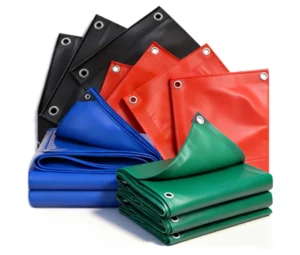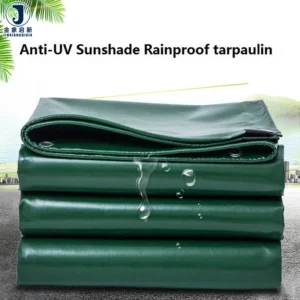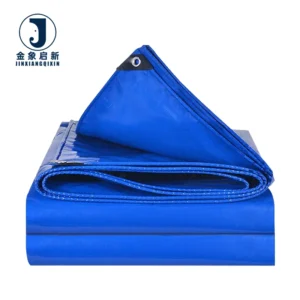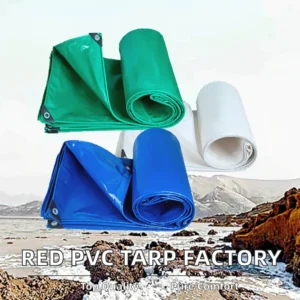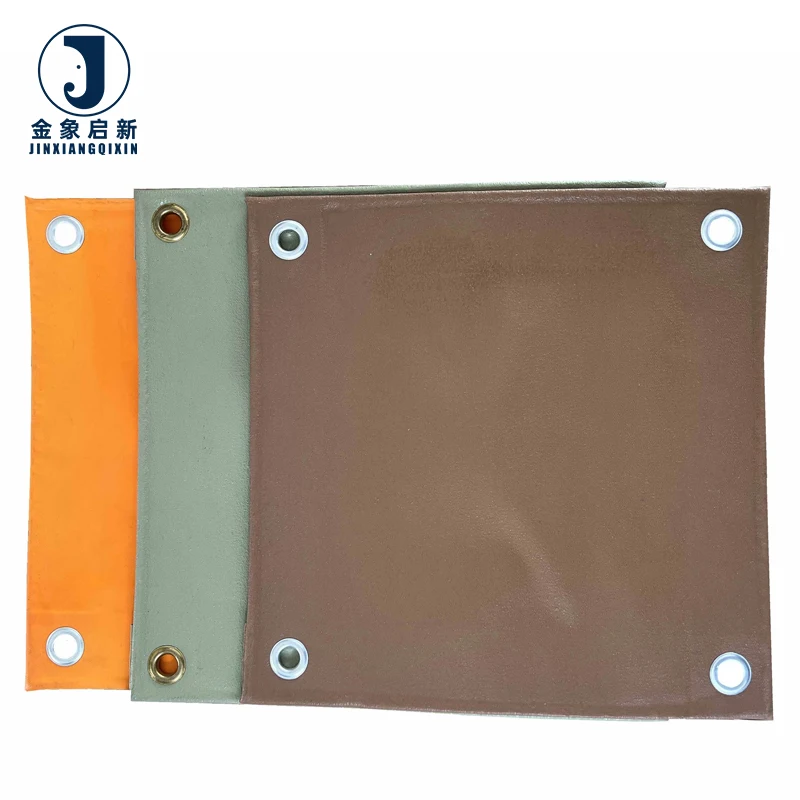
Coating Process Control — Nearly 30 years of PVC coating expertise ensures every cover maintains consistent weight, adhesion, and dimensional accuracy from roll to finished product.
Technical Specifications
| Parameter | Value |
|---|---|
| Product Type | PVC Coated Tarpaulin Cover |
| Coating Material | PVC |
| Waterproof | Fully waterproof coated construction |
| Flame Retardant | Available (grade not stated) |
| Anti-Static | Available (standard not stated) |
| Anti-Mildew | Available |
| Anti-Cold | Available |
| Assembly State | Customized size and shape |
| Certification | ISO, CE |
Application Suitability
| Application | Exposure & Requirement |
|---|---|
| Truck and trailer load covers | Constant road vibration, UV exposure, tie-down abrasion, wind flap at high speed |
| Side curtain systems for transport fleets | Repeated flexing at load points, weather sealing, friction against cargo edges |
| Construction site equipment protection | Debris impact, moisture ingress, prolonged outdoor weather exposure |
| Specialist transport equipment builds | Model-specific fitment, reinforced tie-down integration, regulatory compliance |
Why Generic Sizing Costs More Than Custom PVC Tarpaulin Covers
A cover cut to the trailer’s actual dimensions eliminates the gaps, flapping, and seam stress that generic panels create on the road.
Transport operators frequently receive covers built to a standard size range rather than their specific trailer model. The result is material that shifts under tie-downs, leaves corners exposed to rain, and concentrates stress at welded seams where the trailer flexes most during transit. A PVC coated tarpaulin for truck and trailer cover applications must account for the exact wheelbase, side rail profile, and door clearance of the unit it protects. [NEED_CITE: dimensional accuracy requirements for transport tarpaulins in European logistics standards]
Model-Specific Cutting and Welding for Fleet Fitment
Each trailer model presents a different geometry — side rail height, rear door swing radius, and roof bow spacing all change where the fabric must sit flat and where it must flex. This PVC coated tarpaulin is cut and welded to the confirmed model dimensions, placing seams away from the high-stress zones that cause early failure in generic covers. Reinforcement is added at tie-down points and abrasion zones based on the specific trailer’s load profile.
Treatment Options Aligned to Operating Routes
Fleets running humid coastal routes need different protection than those operating in dry continental corridors. This PVC coated tarpaulin is available with flame retardant, anti-static, and anti-mildew treatments — each selected based on the cargo type and regulatory environment of the destination market. Anti-cold treatment maintains fabric flexibility for operators in seasonal temperature extremes. [NEED_CITE: transport industry fire safety requirements for load cover materials by region]
Reading the Material Specification Beyond the Quoted GSM
GSM alone tells you how much the fabric weighs, not how it will perform under a tie-down strap or across a sharp cargo edge. The base fabric denier, weave density, and coating adhesion together determine whether a PVC coated tarpaulin resists tear propagation or splits at the first flex point. A lighter fabric with a tight weave and strong coating bond often outlasts a heavier material with loose yarns and poor adhesion. Requesting the full material specification sheet — not just the weight — gives buyers the data needed to compare products on actual performance rather than a single number.
Reinforcement Strategy at Flex and Abrasion Points
Welded seams in transport covers fail most often where the load shifts and the fabric bends repeatedly. The reinforcement pattern for this PVC tarpaulin is planned around the specific trailer model’s flex zones, adding material layers or altering weld geometry to distribute stress. Tie-down hems are built to handle the concentrated pull of ratchet straps without tearing through the base fabric or peeling the coating at the edge.
What Happens When Specification Choices Are Wrong
Selecting a PVC coated tarpaulin based only on price or quoted weight creates downstream costs that appear months after delivery. Covers that are too light for the load profile develop pinholes at abrasion points, while untreated fabric in a humid operating environment mildews along the hem folds before the body of the cover shows any wear. Flame retardant claims without supporting test reports lead to failed compliance inspections at the destination terminal, forcing replacement under time pressure. [NEED_CITE: common failure modes in PVC coated tarpaulin used for transport applications]
Production and Quality Approach Behind Every Order
Material selection begins with the confirmed application and operating environment, not a standard stock grade. A dedicated R&D team develops samples within days for custom sizing and treatment requirements, allowing fleet operators to verify fit and performance before committing to bulk production. Three full production lines with 36 sets of professional equipment support volume orders with consistent lead times. Every cover undergoes inspection at each production stage, with 100 percent pre-shipment verification of dimensions, eyelet placement, hem reinforcement, and treatment compliance.
Documentation & Verification
- Material specification sheet confirming coating weight, base fabric construction, and treatment type for each order
- Test reports for flame retardant and anti-static grades where specified, matched to the destination market’s requirements
- Pre-shipment inspection record documenting cover dimensions, weld integrity, and reinforcement placement against the confirmed drawing
- ISO and CE certificates covering the production facility and quality management system
- Roll packing list and certificate of origin provided with each dispatch for customs clearance support
Fabrication, Handling & Storage
- Heat weld temperature and dwell time must match the specific PVC coating weight to achieve full seam adhesion without burning through
- Eyelet placement should follow the confirmed tie-down pattern, with reinforced patches at each point to prevent pull-through under strap tension
- Store rolled covers vertically in dry conditions to prevent permanent creasing along the PVC coating surface
- Clean with mild soap and water; avoid solvent-based cleaners that can soften the PVC coating and reduce weather resistance
- Field repairs on minor tears can be made with compatible PVC adhesive patches applied to clean, dry surfaces
Information Needed to Specify Your Cover
Provide the trailer manufacturer, model number, and production year so the cover is cut to verified dimensions rather than estimated measurements. Confirm the operating environment and any regulatory requirements for flame retardant or anti-static compliance in your destination market. Indicate whether you need finished covers with eyelets and hems, or roll stock for your own fabrication.
Frequently Asked Questions
Q: How do you ensure the cover fits my specific trailer model?
A: We request the trailer manufacturer, model number, and any modifications to the standard configuration. The cover is then cut to those verified dimensions rather than a generic size range, and a pre-shipment inspection confirms all measurements match the confirmed drawing before dispatch.
Q: What flame retardant test reports can you provide?
A: Flame retardant treatment is available for this PVC coated tarpaulin, and we supply test reports confirming the grade achieved. Confirm the specific fire safety standard required in your market — such as a national transport or building material regulation — so we match the correct test protocol.
Q: Can I order a sample cover before placing a fleet quantity?
A: Samples are developed within days to your confirmed dimensions and treatment requirements. This allows you to verify fit on the actual trailer, check weld quality at flex points, and confirm colour consistency before committing to a full production run.
Q: What eyelet spacing and reinforcement options are available?
A: Eyelet spacing and hem reinforcement are specified to match your tie-down system and load profile. We reinforce each eyelet point with additional material to prevent pull-through under heavy strap tension, and spacing is adjusted based on the trailer side rail configuration.
Q: How is colour consistency controlled across multiple covers?
A: All covers in a single fleet order are produced from the same coating batch to eliminate visible colour variation between panels. A pre-shipment check compares finished covers side by side under standard lighting before packing, ensuring uniform appearance across your entire fleet.