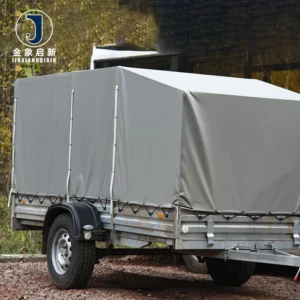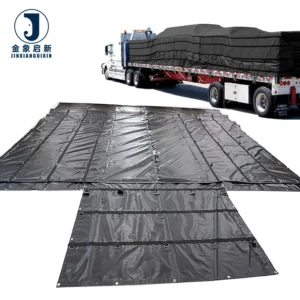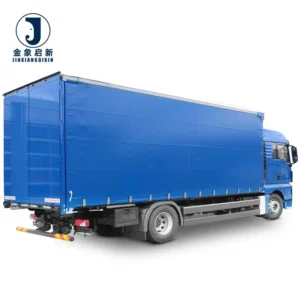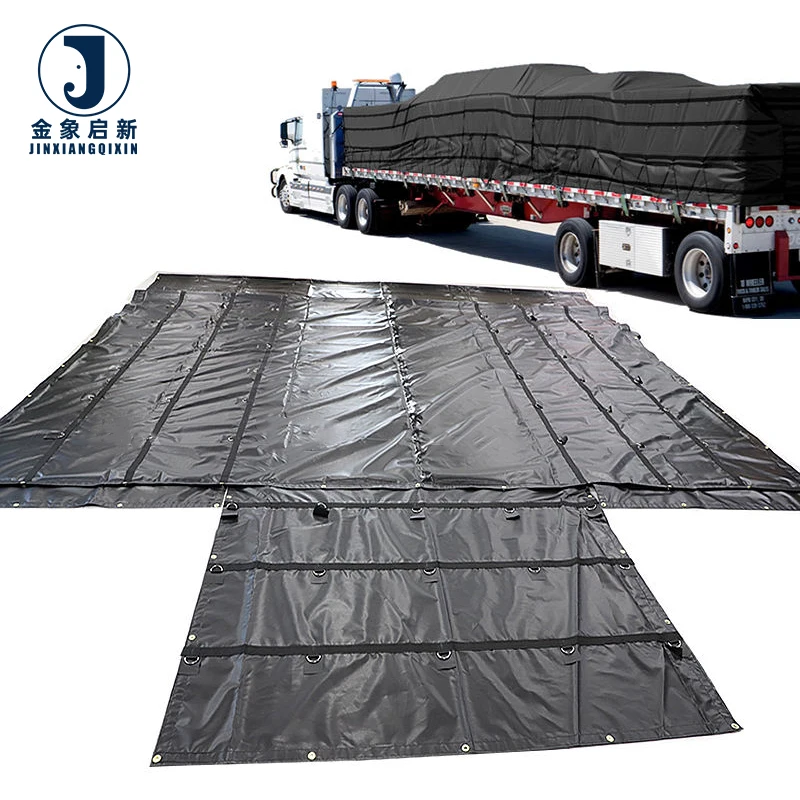
Process-Controlled Coating — Three full production lines and 36 sets of professional equipment ensure that every PVC Truck Cover roll leaves our facility with verified weight, consistent coating adhesion and reinforcement built to match the flex points of a loaded flatbed trailer.
Technical Specifications
| Parameter | Value |
|---|---|
| Product Type | Truck Cover |
| Material | Vinyl / RipSTOP |
| Weight Options | 12oz, 14oz, 15oz, 18oz |
| Drop Configuration | 1PC, 2PC, 3PC with 8′ Drops |
| Waterproof | Yes |
| Abrasion-Resistant | Yes |
| Anti-Mildew | Yes |
| Anti-Pull | Yes |
| Customizable Density | Yes |
Application Suitability
| Application | Exposure & Requirement |
|---|---|
| Flatbed semi truck lumber transport | Constant highway abrasion, strap tension at flex points, rain and road spray exposure |
| Step-deck trailer pipe and steel hauling | Sharp-edge contact risk, heavy tie-down load, repeated load/unload friction cycles |
| Fleet-standard side curtain and top cover systems | Long-haul UV and weather exposure, daily deployment and retraction wear, multi-trailer colour consistency |
| Owner-operator tarp replacement | Model-specific fitment required to prevent cargo exposure and fabric flutter at speed |
Why a Generic-Size PVC Truck Cover Fails Before the Fabric Does
Fitment mismatch concentrates stress at the seams, not the material.
A PVC Truck Cover cut to a generic size that does not match your specific flatbed or step-deck trailer model leaves edges exposed and strap anchors misaligned. When the load flexes under highway vibration, the fabric pulls unevenly across welded seams. The result is seam separation long before the base vinyl or RipSTOP reaches its tensile limit. I have seen operators replace tarps multiple times within a single season because the cover was never dimensioned to the deck, drops and cargo profile of their trailer [NEED_CITE: common causes of tarpaulin seam failure in flatbed transport applications].
Trailer-Specific Fitment Over Generic Sizing
Every flatbed and step-deck trailer has unique deck length, rail height and cargo clearance requirements. A PVC Truck Cover configured in 1PC, 2PC or 3PC with 8′ drops is dimensioned to your trailer model so that tie-down points align with reinforced zones. This eliminates the fabric flutter, cargo exposure and uneven strap loading that generic covers produce at highway speed.
Reinforcement at the Points That Actually Fail
Strap tension concentrates force at grommet and hem zones during transit. Anti-pull reinforcement is applied at these stress points so the cover handles repeated tie-down cycles without tearing around eyelets or splitting along welded hems. Abrasion-resistant surface treatment further protects the areas where the cover contacts the load edge and rubs against tie-down hardware during long hauls.
Moisture Management for Long-Haul and Storage Cycles
Lumber and building materials shipped on open flatbeds face rain, condensation and extended humid storage between deliveries. Anti-mildew treatment prevents fabric degradation and staining that would otherwise weaken the coating bond over repeated wet-dry cycles [NEED_CITE: mildew degradation mechanisms in PVC-coated transport fabrics]. This keeps the cover functional and presentable across the full service life of the material.
Reading Weight Grade and Fabric Construction Together
The 12oz, 14oz, 15oz and 18oz weight options determine how much coating mass is applied per square yard, but weight alone does not predict field performance. A RipSTOP base fabric adds a grid of high-tenacity yarns that arrest tear propagation even when the surface is punctured by a sharp load edge. A heavier vinyl without RipSTOP may resist initial puncture better but can tear extensively once compromised. The correct selection pairs weight grade with base fabric type to match the specific cargo profile and tie-down tension your fleet operates under.
The Hidden Cost of Specifying on Price Per Yard Alone
When a truck cover arrives lighter than the weight stated on the quotation, the coating is thinner and the base fabric less protected against abrasion and UV exposure. This shortfall is not visible until the cover is deployed and begins wearing prematurely at high-friction zones. Colour variation between rolls in the same order becomes obvious once covers are installed side by side on a fleet, forcing partial rejection and re-ordering [NEED_CITE: coating weight variance impact on tarpaulin service life]. Welded seams on underweight material also fail earlier because the reduced coating thickness cannot form a strong enough bond at the heat-weld interface.
Production Capability Behind Every Cover Dispatch
Three full production lines and 36 sets of professional equipment support the volume and consistency required for fleet-scale orders. A dedicated 10-person R&D team handles material selection, custom sizing and sample development so that fitment is confirmed before bulk production begins. Every production stage includes in-process quality checks, and 100% pre-shipment inspection verifies weight grade, drop dimensions, eyelet reinforcement and welded seam integrity before dispatch. Samples are developed within days for custom requirements, allowing buyers to validate fit and material before committing to a full order.
Documentation & Verification
- Material specification sheet stating base fabric type, coating method and verified weight per roll
- Pre-shipment inspection record confirming drop dimensions and configuration per order
- Eyelet and hem reinforcement check documented at final inspection stage
- Certificate of origin and customs documentation provided with each shipment
- Colour reference and batch consistency record for multi-roll fleet orders
Fabrication, Handling & Storage
- Heat-weld seams at recommended temperature to maintain bond strength on 12oz–18oz vinyl or RipSTOP grades
- Reinforce grommet zones with webbing patches to distribute strap tension across the anti-pull hem area
- Store rolls upright on pallets to prevent flat-spot creasing on the coated surface
- Allow cold-stored covers to reach ambient temperature before unfolding to avoid coating crack at low flex
- Use mild detergent for cleaning; avoid solvent-based cleaners that degrade the anti-mildew surface treatment
What We Need to Prepare Your Quotation
To specify the right PVC Truck Cover for your operation, provide your trailer make and model, deck length and required drop configuration. Let us know the cargo type you haul most frequently so we can recommend the appropriate weight grade and RipSTOP or vinyl construction. If your fleet requires colour matching across multiple units or custom sizing beyond standard 8′ drops, include those details so we can develop a sample for your approval before production.
Frequently Asked Questions
Q: How do I specify the right PC configuration and drop length for my trailer model?
A: Provide your trailer make, model, deck length and rail height. We map the PVC Truck Cover in 1PC, 2PC or 3PC layout with 8′ drops or custom drop lengths to match. A cut-and-sew sample is developed for fitment verification before bulk production, ensuring tie-down points align with your trailer hardware.
Q: How is the oz weight verified on arrival against the quotation?
A: Each roll undergoes weight verification during our 100% pre-shipment inspection, documented on the inspection record included with your shipment. The material specification sheet states the exact weight grade ordered, and random samples can be weighed on arrival to confirm consistency across the delivery.
Q: What reinforcement options are available at grommet and hem zones?
A: Anti-pull reinforcement is applied at grommet zones and along welded hems to handle tie-down strap tension during transit. Webbing patches and double-layer hem construction are available for high-stress areas. Specify your tie-down hardware type so we can match grommet spacing and reinforcement to your strap system.
Q: How does RipSTOP compare to standard woven vinyl for strap-point durability?
A: RipSTOP incorporates a high-tenacity grid yarn that arrests tear propagation if the surface is punctured or cut at a strap contact point. Standard woven vinyl may resist initial puncture at heavier weights but tears further once the surface is breached. The choice depends on your cargo type and the puncture risk profile of your typical loads.
Q: What is the lead time and minimum order for custom-sized truck covers?
A: Lead times vary by configuration complexity and order volume. Custom sizes, non-standard drop lengths and fleet colour matching require sample approval before production. Provide your trailer specifications and annual volume so we can confirm minimums and a realistic dispatch schedule for your PVC Truck Cover order.