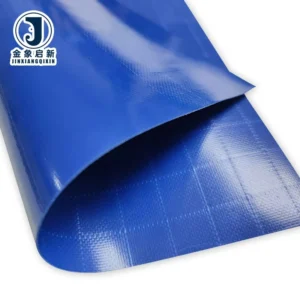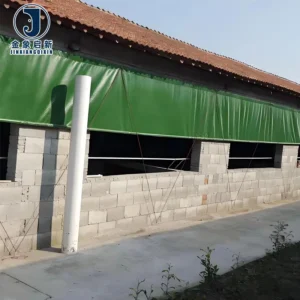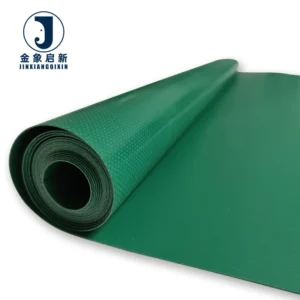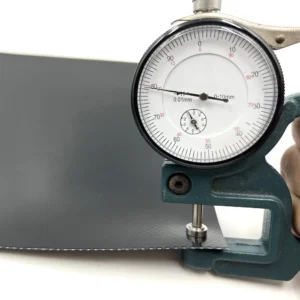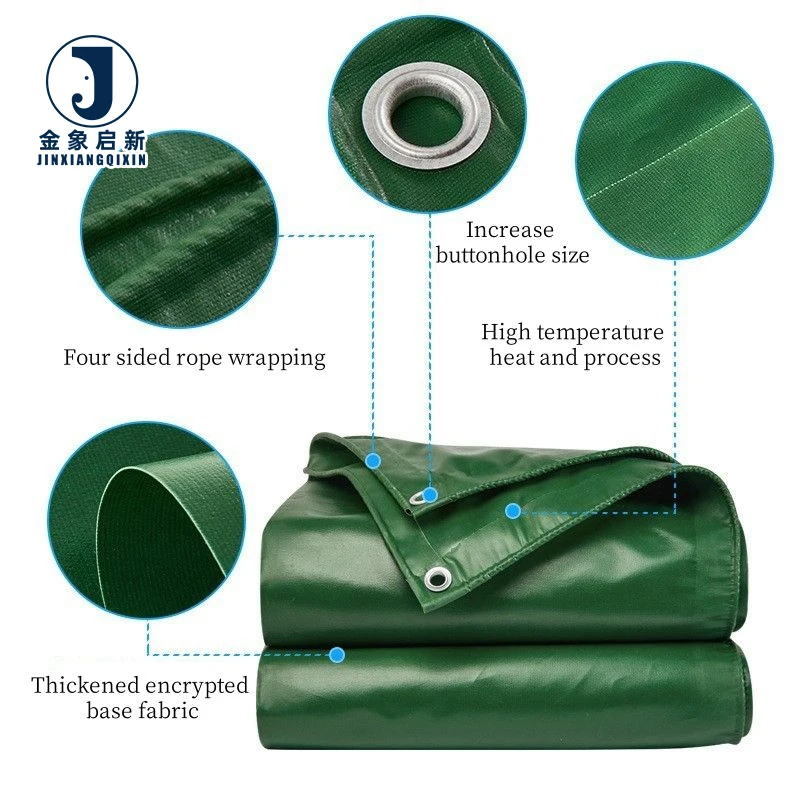
Precision-Coated Consistency — Every roll of PVC coated tarpaulin for truck and transport is verified against its quoted GSM at pre-shipment inspection, eliminating the weight shortfalls that lead to premature cover failure on the road.
Technical Specifications
| Parameter | Value |
|---|---|
| Product Type | PVC Coated Tarpaulin Roll |
| Coating Material | PVC |
| Base Fabric | Tricot anti-pull woven plain |
| Weight | 500GSM |
| Waterproof Rating | Anti-permeable ≥20KPa |
| Flame Retardant Grade | ≤10 seconds (grade not stated in source — confirm the grade required for your market) |
| Low-Temperature Flexibility | Not fractured at -30°C |
| Chemical Resistance | Acid, alkali and brine corrosion resistant |
| Mildew Proofing | Yes |
| Heat Resistance | Adaptable to open-air natural conditions |
| Surface | Abrasion-resistant woven plain |
| UV Treatment | Available in UV-treated grades — confirm the treatment level required for your region |
Application Suitability
| Application | Exposure & Requirement |
|---|---|
| Truck side curtain systems | Constant flexing at load points, road spray, abrasion against load edges, tie-down tension |
| Flatbed trailer top covers | Full weather exposure, wind lift stress, pooling water, UV degradation risk |
| Tipper and bulk hauler covers | Heavy abrasion from granular cargo, repeated deployment and retraction cycles |
| Fleet replacement tarpaulins | Model-specific sizing, batch colour match across multiple vehicles, reinforced hem and eyelet zones |
Why Roll Consistency Matters More Than Quoted GSM for Truck Covers
A quoted GSM only protects you if every roll in the shipment actually matches it.
When a logistics fleet orders PVC coated tarpaulin for truck and transport covers across twenty trailers, the material must perform identically on every vehicle. A roll that arrives lighter than quoted will flex more under road vibration, and the welded seams will fail at the load points long before the fabric itself gives way. Fleet operators have reported covers splitting at the hem within months when the delivered weight fell below the agreed specification [NEED_CITE: pre-shipment inspection methods for coated fabric GSM verification].
The base fabric construction and coating adhesion matter just as much as the stated weight. A 500GSM roll with poor coating adhesion will delaminate at the fold lines where the cover is tensioned over the load, exposing the base yarn to moisture and accelerating mildew formation inside the fabric structure.
Sizing Covers to the Trailer Model, Not to Generic Dimensions
A truck cover cut to a generic width and length will always leave excess fabric at the corners or fall short at the tie-down points. This PVC coated tarpaulin for truck and transport is specified against the actual trailer model number, so the cover sits taut under the ratchet strap without flapping in crosswinds. Flapping fabric abrades against itself and the load edges, which is the primary cause of early coating failure on side curtains and top covers.
Reinforcement Where the Load Flexes Most
The abrasion-resistant woven plain surface targets the high-wear zones where the cover contacts sharp load edges and where tie-down straps pass over the fabric. The tricot anti-pull base fabric resists the biaxial tension that builds when a fully loaded trailer flexes over uneven road surfaces. This combination prevents the coating from cracking at the stress points that generic tarpaulin grades cannot handle under sustained fleet operation [NEED_CITE: biaxial tensile testing for coated fabrics under dynamic load conditions].
Reading the Specification Sheet Beyond the Weight Number
The 500GSM weight combines the tricot base fabric and the PVC coating, but the ratio between them determines how the material behaves on a truck. A heavier coating relative to the base yarn improves waterproofing and chemical resistance but can reduce flexibility at low temperatures. The -30°C low-temperature flexibility rating indicates that this PVC coated tarpaulin for truck and transport maintains its pliability in cold-climate fleet operation, where a brittle cover will crack the moment it is unfolded over a frozen load. The ≥20KPa anti-permeable rating means sustained rain and road spray will not penetrate the coating, keeping moisture-sensitive cargo dry across long-haul routes.
The Hidden Cost of Batch Colour Drift Across a Fleet Order
When multiple rolls are used to cover an entire fleet, even a slight colour variation between rolls becomes visible once the covers are installed side by side on parked trailers. This does not affect performance, but it signals inconsistent coating thickness and raises questions about whether the flame retardant and UV treatments were applied uniformly across the batch. Procurement teams who accept delivery without verifying roll-to-roll consistency often discover the mismatch only after the covers are fitted, by which point the return and replacement cost far exceeds the original order value [NEED_CITE: colour consistency measurement standards for industrial coated fabrics].
Why Fleet Operators Source This PVC Coated Tarpaulin Here
Deep process control over coating weight and adhesion is built on nearly 30 years of focused coated fabric production, ensuring the 500GSM quoted is the 500GSM delivered on every roll. Three full production lines and 36 sets of professional equipment support bulk roll capacity, so fleet replacement orders ship on schedule without partial deliveries delaying vehicle turnaround. A dedicated 10-person R&D team develops samples within days when a fleet requires a specific colour reference or custom width matched to a trailer model. QA/QC inspection runs at every production stage with 100% pre-shipment verification, catching coating adhesion or weight deviations before they reach the dispatch bay. Flame retardant and UV-treated grades are supported by test reports rather than data sheet claims alone, giving fleet compliance teams the documentation they need for vehicle certification.
Documentation & Verification
- Material specification sheet stating GSM, tricot base fabric denier and PVC coating weight per roll
- Test report for flame retardant grade where applicable, matched to batch number
- Pre-shipment inspection record confirming weight and colour reference roll by roll
- Roll packing list with net weight and linear metre count per roll
- Certificate of origin and customs documentation for cross-border fleet supply
Fabrication, Handling & Storage
- Hot-air welding temperature must match the PVC coating thickness to avoid burning through the 500GSM material at seam lines
- Eyelet spacing on hems should align with the fleet’s ratchet strap layout to distribute load across the tricot base fabric
- Rolls stored upright on pallets prevent flat-spot deformation that causes visible creases when the cover is deployed
- Low-temperature deployment below -30°C risks micro-cracking; allow rolls to acclimatise before unfolding in cold yards
- Mild detergent cleaning preserves the abrasion-resistant woven plain surface without stripping the PVC coating
- Field repairs using compatible PVC patch material and solvent adhesive restore coating integrity at puncture points
What to Include in Your Enquiry
Provide the truck or trailer model number, the number of vehicles in the fleet, and the operating climate so the correct low-temperature and UV treatment grades can be specified. If your market requires a specific flame retardant certification, state the standard and grade so a matching test report can be included with the shipment. Confirm whether you need rolls in standard width for your own fabrication, or pre-cut covers with reinforced hems and eyelets fitted to your tie-down system.
Frequently Asked Questions
Q: How is the GSM verified on arrival against the quotation?
A: Every roll undergoes a pre-shipment inspection where the weight is measured and recorded against the quoted 500GSM before dispatch. The inspection record travels with the shipment so your receiving team can cross-check the documented weight against the physical roll. Any deviation is flagged and resolved before the container leaves the facility.
Q: Why does the flame retardant claim need a test report with a stated grade?
A: A generic flame retardant claim without a grade or test standard cannot be verified against your local transport or site safety regulations. We supply a test report stating the measured burn time and the standard applied, so your compliance team can confirm the material meets the specific grade required for fleet operation in your market.
Q: How are truck covers sized to specific trailer models rather than generic dimensions?
A: Provide the trailer manufacturer, model number and body type. The cover pattern is then developed against those exact dimensions, accounting for hem allowance, eyelet placement and the drape needed over the load. This eliminates the excess fabric that flaps in wind and abrades against load edges on generic-size covers.
Q: How is batch colour consistency maintained when multiple rolls are used on one fleet order?
A: All rolls in a single fleet order are produced from the same coating batch with a shared colour reference. The pre-shipment inspection compares each roll against the master colour swatch under controlled lighting, and any roll that drifts outside the tolerance is held back before dispatch.
Q: What eyelet spacing and hem reinforcement options suit heavy-duty truck tie-down systems?
A: Eyelet spacing is matched to your fleet’s strap layout so the load transfers evenly across the reinforced hem rather than concentrating at individual points. The tricot anti-pull base fabric provides the structural backing that prevents eyelets from tearing out under sustained ratchet tension during long-haul transport.