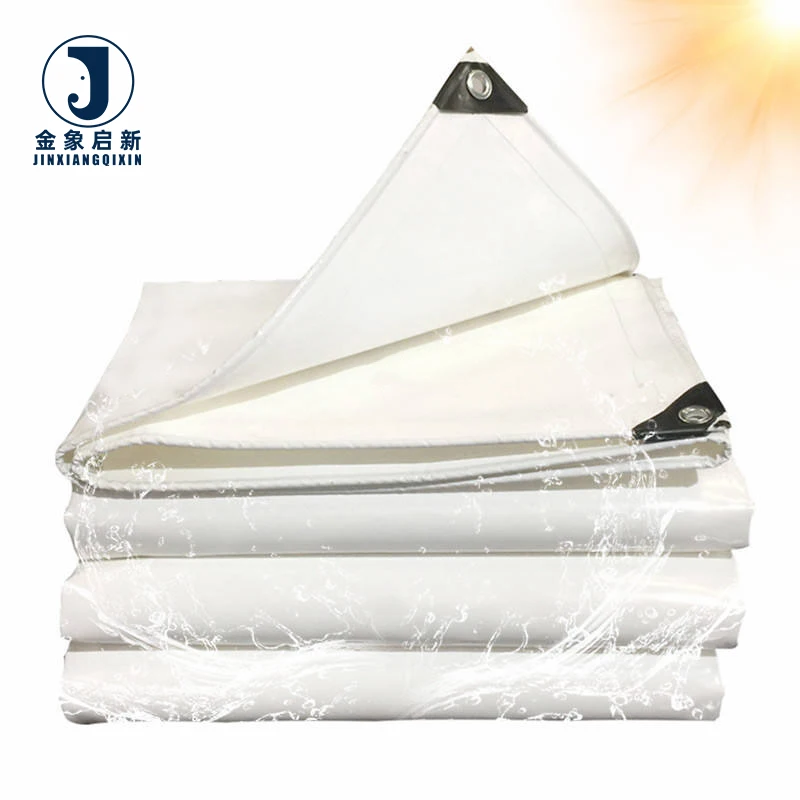
Technical Specifications
| Parameter | Value |
|---|---|
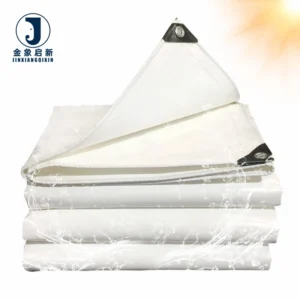
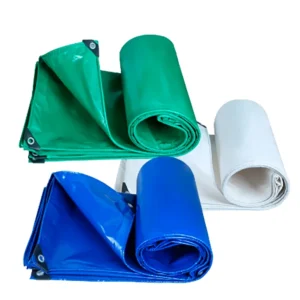
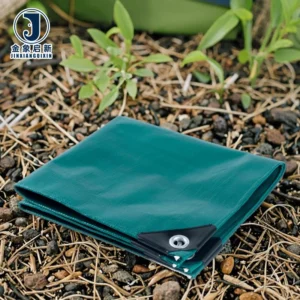
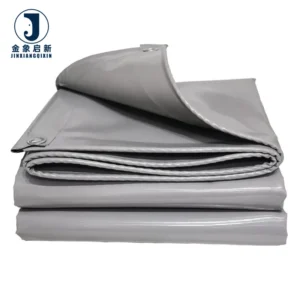
| Product Type | PVC Coated Tarpaulin |
| Material | PVC + High-strength polyester mesh fabric |
| Coating Technology | Laminated & Hot-melt Coating |
| Weight Options | 350 gsm / 420 gsm / 500 gsm / 550 gsm / 600 gsm / 750 gsm |
| Thickness Options | 0.32 mm / 0.35 mm / 0.4 mm / 0.45 mm / 0.5 mm / 0.65 mm |
| Roll Size | 2 m × 75 m / 2.1 m × 50 m |
| Finish Product Size | Custom cut to order |
| Color | Blue / Red / Yellow / Light Blue / Grey (Customizable) |
| Temperature Range | -70 °C to +100 °C |
| Key Features | Cold crack resistance, Anti-mildew, Anti-static treatment, Waterproof, Sunproof, Color fastness |
| Special Treatments Available | Flame retardant (grade not stated in source), Anti-static (grade not stated in source), Anti-cold, Anti-mildew |
| Standards | ISO, CE |
Application Suitability
| Application | Exposure & Requirement |
|---|---|
| Truck and trailer side curtains | Constant flexing at load points, road abrasion, weather exposure, tie-down stress at hems |
| Long-distance road freight top covers | UV exposure, wind-induced flapping, rain and road spray, repeated tension cycles |
| Marine and offshore cargo wrapping | Salt-laden air, sustained moisture, dock yard handling abrasion |
| Construction equipment covers | Standing water, dust ingress, UV exposure on stationary yards |
| Scaffolding and building enclosure | Wind load on large panels, UV, scaffold tube contact abrasion |
Why PVC Truck Tarpaulin Covers Fail at the Seam Before the Fabric Does
Welded seams fail when the coating-to-base-fabric adhesion is weaker than the tensile load at flex points.
Fleet operators replacing covers repeatedly often blame the fabric weight. In practice, the tear propagates from the weld line outward because the hot-melt bond did not penetrate the mesh structure deeply enough to match the base fabric strength. A PVC coated tarpaulin for truck use that relies on laminated-only construction risks delamination under repeated load flexing, especially at tie-down zones where the cover is pulled against the trailer frame [NEED_CITE: tensile and tear test methods for coated fabrics per ISO 1421]. The result is a cover that looks intact across the panel but opens at every welded joint.
Hot-Melt Coating and Flex-Point Adhesion
The hot-melt coating process forces PVC into the high-strength polyester mesh under heat and pressure, creating a mechanical bond through the weave structure rather than a surface-only adhesion. For a PVC truck tarpaulin cover aftermarket supplier, this matters because the side curtain and top cover panels flex constantly as the load shifts during transit. When the coating penetrates the mesh, the weld line strength approaches the tear strength of the base fabric itself.
Sizing to Vehicle Model, Not Generic Dimensions
Generic-size covers leave excess material that flaps at speed or falls short at the corners, exposing the load. Custom cutting to the specific truck or trailer model means the hem and eyelet positions align with the vehicle’s tie-down points. This PVC coated tarpaulin for truck applications is produced in roll form and then cut to order, so the panel dimensions match the actual equipment rather than a standard size chart. Reinforcement at high-stress zones is placed where the specific trailer geometry demands it [NEED_CITE: DIN 4102 fire classification for building materials].
Reading GSM in Context with Base Fabric and Coating Weight
GSM alone does not define how a cover will perform on a moving truck. A 550 gsm fabric with a dense polyester base and thin coating will tear differently than a 550 gsm fabric with a loose weave and heavy coating fill. The total weight is split between the base fabric — which carries the tensile and tear load — and the PVC coating, which provides waterproofing, UV shielding, and weldability. Specifying by GSM without confirming the base fabric denier and weave density leaves room for a lighter base to be compensated with excess coating, producing a heavy but mechanically weak panel.
The Hidden Cost of Specifying on Weight Alone
When a fleet order arrives and the covers are lighter than the quoted GSM, the entire batch may need to be returned — but the delay to vehicle readiness is the larger cost. Covers that pass GSM checks but fail at the weld line within months create warranty claims, load damage exposure, and re-procurement cycles. Colour variation between rolls in the same order becomes visible once installed side by side across a fleet, forcing operators to replace panels selectively or live with an inconsistent appearance [NEED_CITE: batch colour consistency standards for coated fabrics].
Why Source This PVC Coated Tarpaulin for Truck Covers Here
Three full production lines and 36 sets of professional equipment support bulk roll output with consistent coating weight across the production run. The 10-person R&D team handles custom sizing, pattern printing, and sample development so that the cover fits the vehicle model before the main order runs. Dedicated QA/QC operates at every production stage, and every roll receives full pre-shipment inspection — not a sampling audit. Custom widths, colours, and treatments are produced with manageable minimums, reducing the lead time penalty that fleet operators face when ordering non-stock specifications.
Documentation & Verification
- Material specification sheet stating exact GSM, base fabric type, and coating method per roll
- Pre-shipment inspection record confirming weight and colour against the purchase order
- UV and flame retardant test reports provided where special treatments are specified
- Roll packing list with net weight and dimensions for container loading plans
- Certificate of origin and customs documentation included with every dispatch
Fabrication, Handling & Storage
- Hot-melt coated panels weld at standard high-frequency settings; test seam peel strength before full production runs
- Reinforce eyelet zones with additional PVC patches where 600 gsm and above grades carry heavy tie-down loads
- Store rolls upright on cores to prevent flat-spot creases that weaken the coating at fold lines
- Allow cold-stored rolls to reach ambient temperature before unrolling to avoid coating micro-cracking below -70 °C
- Clean with mild detergent only; solvents degrade the PVC surface and reduce colour fastness over time
What to Include with Your Inquiry
Provide the truck or trailer model and exact panel dimensions so covers are cut to fit rather than supplied in generic sizes. Specify the GSM grade, colour, and any flame retardant or anti-static treatment required for your operating environment. Indicate whether you need finished covers with hems and eyelets or roll stock for your own fabrication line.
Frequently Asked Questions
Q: How do I verify the GSM matches my order when the rolls arrive?
A: Each shipment includes a pre-shipment inspection record and material specification sheet stating the exact GSM per roll. The documented weight is measured before dispatch, so you can cross-check against the quotation. Request these documents with your order confirmation so verification is straightforward on arrival.
Q: Can the tarpaulin be cut to my specific truck or trailer model?
A: Yes. Provide the vehicle model and panel dimensions during inquiry, and the R&D team develops a cut pattern before production. Covers are sized to the actual equipment with hem and eyelet positions aligned to the tie-down system, eliminating the excess material or short-fall issues common with generic sizing.
Q: How is batch-to-batch colour consistency controlled across a fleet order?
A: All rolls in a single order are produced in the same coating run with dedicated QA/QC inspection for colour match before dispatch. The pre-shipment inspection record confirms roll-to-roll consistency. For repeat orders, the colour reference from the original batch is retained to maintain continuity across future shipments.
Q: What flame retardant or anti-static grades are available?
A: Flame retardant and anti-static treatments are available as special options. The specific grade depends on your market compliance requirements — confirm the standard required for your application during inquiry so the correct treatment is applied and the matching test report is included with your shipment documentation.