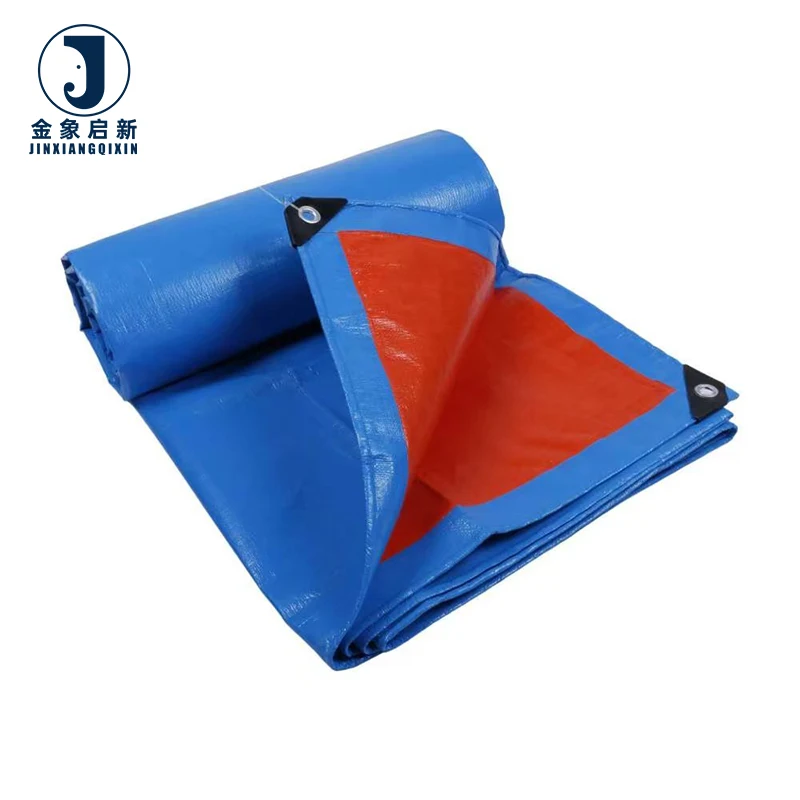
Proven Coating Control — nearly three decades of focused PE tarpaulin production ensure roll-to-roll consistency on every truck and transport order you place.
Technical Specifications
| Parameter | Value |
|---|---|
| Product Type | PE Tarpaulin Roll |
| Coating Material | Polyethylene (PE) |
| Style | Plain / Woven Coated |
| UV Treatment | Anti-UV (test basis not stated in source) |
| Waterproof | Yes |
| Anti-Mildew | Yes |
| Construction | Heavyweight |
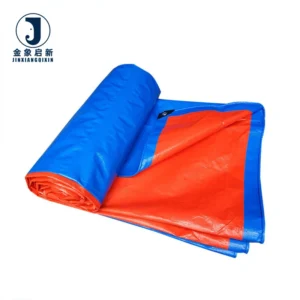
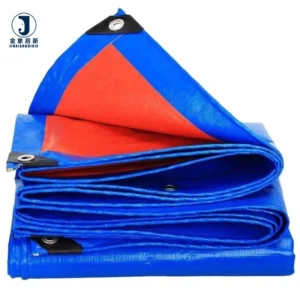
| Format | Roll |
| Color | Customizable |
| Size | Customizable |
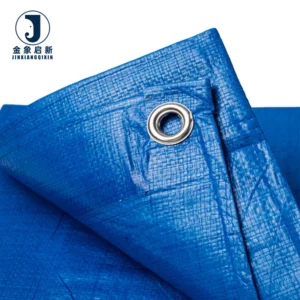
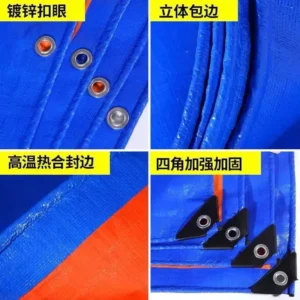
| Eyelet & Hem Options | Eyelets available |
Application Suitability
| Application | Exposure & Requirement |
|---|---|
| Truck and trailer load covers | Constant road vibration, UV exposure, wind flexing, rain and debris impact |
| Side curtain and flatbed tarpaulin | Repeated tie-down tension, abrasion at contact points, weather cycling |
| Outdoor event and temporary shelters | Direct sun, rainfall, wind uplift, frequent assembly and teardown |
| Car and industrial equipment covers | Dust ingress, standing water, UV degradation over extended parking |
| Poultry and tank covers | Humidity, ammonia exposure, mildew risk, waterproof containment |
Why a Generic Truck Cover Fails Before the Fabric Does
Custom-cut PE tarpaulin matched to your exact trailer dimensions eliminates the gaps and stress concentrations that tear generic covers apart.
Most transport fleets order covers based on a nominal size, only to find the corners pull loose and the hem lines split within the first season. The fabric itself rarely fails first — it is the misfit that concentrates load at the eyelets and welded seams where the trailer flexes most. A PE tarpaulin for truck and transport cover that is cut to the specific wheelbase, height and tailgate profile of your trailer distributes tension evenly, extending service life at the points that matter. [NEED_CITE: stress distribution in fitted versus generic tarpaulin covers]
Fitting the Cover to the Load, Not the Other Way Around
Every trailer model has a distinct profile — the rake of the front bulkhead, the drop of the side rails, the clearance around the rear hinges. When a PE tarpaulin for truck and transport cover is produced to those exact dimensions, the eyelets align with the tie-down points on the chassis, and the hem sits flush without dragging on the load. This removes the flapping and whipping that abrades the fabric at highway speed. Fleet operators specifying custom-sized covers report fewer mid-route failures and less downtime for emergency repairs.
Reinforcement Where the Load Flexes Most
The highest stress on any truck cover occurs at the tie-down points and the corners where the fabric wraps around the trailer frame. Eyelet and hem reinforcement options address these zones directly, spreading the pull-out force across a wider area of the PE tarpaulin roll. Without this localised reinforcement, the eyelet tears through the fabric under sustained tension, especially on long-haul routes with frequent braking and cornering. Requesting reinforced hems at the specification stage ensures the cover survives the route, not just the loading bay. [NEED_CITE: eyelet pull-out test methods for coated fabrics per ISO 1421]
Understanding What the Specification Sheet Actually Tells You
A PE tarpaulin specification sheet lists GSM, base fabric, and coating type, but each figure only tells part of the story. GSM indicates total weight per square metre, combining both the woven base and the PE coating layers — a high GSM can result from a heavy base fabric or from excess coating, and the two produce very different handling and strength characteristics. The woven base denier and mesh count determine tear resistance and flexibility, while the coating weight governs waterproofing and UV protection. A balanced construction with moderate base denier and adequate coating delivers better long-term performance than an unbalanced sheet that achieves the same GSM through coating alone. Buyers comparing quotations should request the breakdown of base fabric weight versus coating weight to understand what they are actually purchasing.
The Hidden Cost of Skipping Roll-to-Roll Verification
Colour variation between rolls in the same order becomes visible the moment two panels are installed side by side on a trailer or event shelter. This is not a cosmetic issue — it signals inconsistent coating thickness, which means the UV treatment and waterproofing may also vary panel to panel. A batch that passes visual inspection at the dock can still fail unevenly in the field, with some panels degrading months ahead of others. Pre-shipment inspection that includes colour reference checks and GSM spot-weighing per roll catches these deviations before the container is sealed. [NEED_CITE: batch consistency standards for coated fabric colour matching]
Why Fleets Source PE Tarpaulin Through This Production Line
Three full production lines and 36 sets of professional equipment support bulk roll output with consistent coating weight across the entire order. A 10-person R&D team handles trailer-specific sizing, colour matching and sample development, returning finished samples within days rather than weeks. Dedicated QA and QC checkpoints at every production stage — from base fabric inspection through coating, winding and packing — mean each PE tarpaulin roll is verified before it leaves the facility. Custom widths and lengths are produced on the same lines as standard stock, so lead times remain practical even for fleet-specific dimensions. Nearly 30 years of focused PE coating experience underpins the process control that keeps GSM and colour within tolerance from the first roll to the last.
Documentation & Verification
- Material specification sheet stating GSM, base fabric denier and coating weight for each roll
- Pre-shipment inspection record with roll-by-roll GSM and colour verification
- UV treatment test report or exposure data supplied on request for anti-UV grades
- Roll packing list with colour reference and batch number for traceability
- Certificate of origin and customs documentation for international shipment
Fabrication, Handling & Storage
- Heat-seal PE tarpaulin roll sections at manufacturer-recommended temperature to preserve coating adhesion at the weld line
- Install eyelets with reinforced patch backing at tie-down points to distribute load across the woven base fabric
- Store rolls upright on a flat surface to prevent permanent creasing of the PE coating layer
- Avoid dragging cut panels across abrasive surfaces during installation to protect the waterproof coating face
- Clean with mild detergent and soft brush; solvent-based cleaners may degrade the PE coating over time
- Repair minor tears with PE-compatible adhesive patches applied to a clean, dry surface
What to Include in Your Next Enquiry
Specify the trailer model or exact cover dimensions so the PE tarpaulin can be cut to fit without field modification. State the route climate and expected UV exposure level to confirm whether the standard anti-UV treatment meets your requirement or a higher grade is needed. Indicate the order volume and any fleet colour or branding requirements so roll consistency and minimum quantities can be confirmed at quotation stage.
Frequently Asked Questions
Q: How do you verify GSM on PE tarpaulin against the quoted value on arrival?
A: Request a material specification sheet that states base fabric weight and coating weight separately. On arrival, cut a measured sample from each roll, weigh it on a calibrated scale, and compare the result against the stated GSM. Any significant deviation should be flagged before the rolls are cut or installed.
Q: What UV treatment options are available, and what test basis supports each grade?
A: Anti-UV treatment is applied during the PE coating process. The specific grade and test basis depend on the exposure conditions of your route or application. Request a test report or exposure-hour data for the grade quoted so you can verify it matches your local climate and service expectations before placing a bulk order.
Q: How are eyelets and hems reinforced at the flex and tie-down points of a truck cover?
A: Eyelets are set through reinforced hem folds with additional PE patch material behind each ring to spread the pull-out force. At high-stress corners and tie-down zones, extra patch layers are heat-sealed to the tarpaulin before eyelet installation, reducing the risk of tear-through under sustained tension.
Q: How do you control colour consistency across multiple rolls in the same shipment?
A: All rolls in a single order are produced from the same coating batch using matched colour references. Pre-shipment inspection includes a visual colour check roll by roll against the approved sample. The packing list records the batch number and colour reference for each roll to support traceability.
Q: What custom sizes and minimums apply when ordering PE tarpaulin cut to a specific trailer model?
A: Custom sizes are cut to the exact trailer dimensions you provide, including allowances for hems and eyelet placement. Minimum order quantities depend on the width, length and colour specified. Submit your trailer drawings or dimensions with the enquiry to receive a quotation with confirmed minimums and lead time.