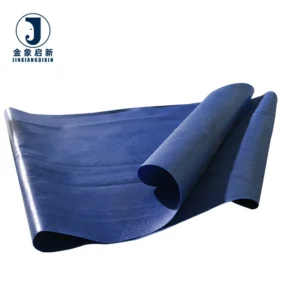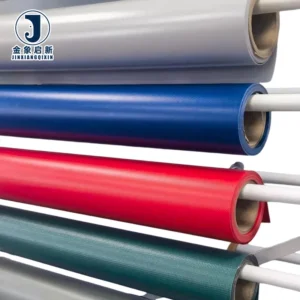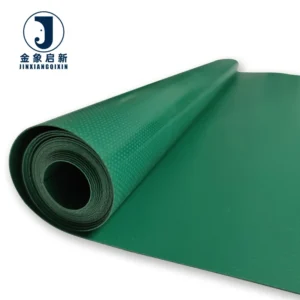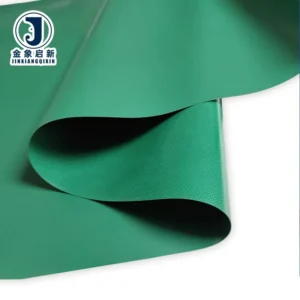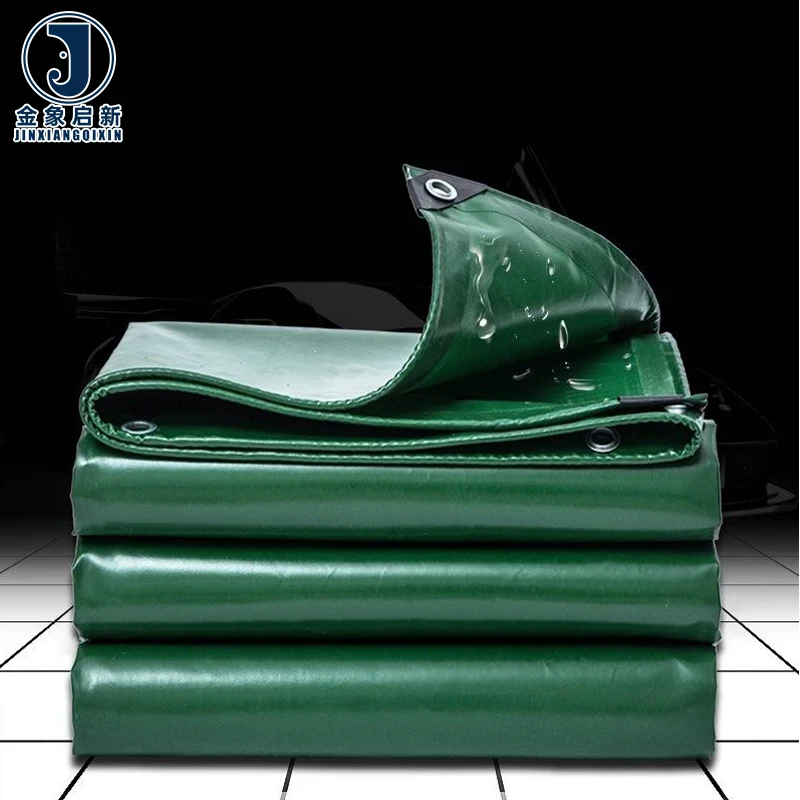
Coating Process Control — Nearly three decades of PVC coating expertise ensures precise GSM control and reliable adhesion for truck and trailer cover fabrics.
Technical Specifications
| Parameter | Value |
|---|---|
| Product Type | PVC Coated Tarpaulin Roll |
| Material | PVC coated polyester fabric |
| Finish | Glossy / Matte |
| Treatment Options | Anti-UV (test basis not stated) / Flame Retardant (grade not stated) / Anti-static |
| Colour | Single or double side colour, custom colour available |
| Format | Roll stock and cut sizes |
| Custom Options | Width, length, eyelets, reinforced hems, pattern printing |
| Standards | ISO, CE |
Application Suitability
| Application | Exposure & Requirement |
|---|---|
| Truck side curtain | Constant flexing, road abrasion, UV exposure, tie-down stress |
| Flatbed load cover | Weather protection, wind flap fatigue, load shift abrasion |
| Trailer top cover | Standing water, thermal cycling, installation tension |
Why Generic-Size Truck Covers Fail on Specific Trailer Models
PVC Tarpaulin Roll for Truck and Transport must be matched to exact trailer dimensions, not generic sizes that leave gaps or excess fabric flapping in highway winds.
When a cover is cut to a standard size rather than your specific trailer model, the consequences show up quickly: corners that don’t reach the tie-down points, excess material that catches wind and accelerates wear, and seams positioned exactly where the load flexes most. Fleet operators replacing covers across mixed trailer types often find that one-size solutions create more problems than they solve. [NEED_CITE: ISO 1421 tensile and tear test methods for coated fabrics]
Side Curtain Fabric Selection for Different Trailer Types
The right PVC Tarpaulin Roll for Truck and Transport depends on whether you’re covering a curtain-side trailer with frequent opening cycles, a refrigerated unit with temperature extremes, or a flatbed exposed to direct road spray. Each application demands different base fabric denier and weave density to handle the specific flex patterns and abrasion zones. Curtain-side units need material that can withstand thousands of articulation cycles at the fold points without coating delamination.
Reinforcement at Flex and Tie-Down Points
Standard welded seams fail where the load flexes most — at the articulation points where trailers bend during turns and braking. Reinforced hem construction and strategic eyelet spacing distribute tie-down loads across a wider area, preventing the concentrated stress that tears standard grommets free. The difference between a cover that lasts through seasonal replacement cycles and one that fails mid-route comes down to how well the reinforcement handles these dynamic loads. [NEED_CITE: DIN 53354 test method for coated fabric seam strength]
What GSM and Base Fabric Density Actually Mean for Cover Performance
GSM alone does not determine how a PVC Tarpaulin Roll will perform under road conditions. The base fabric denier and weave density work together with coating weight to create the final tensile and tear characteristics. A higher GSM with loosely woven base fabric may weigh more but tear more easily than a lighter, tightly woven alternative. The coating method — whether knife-over-roll, laminating, or calendering — affects how well the PVC bonds to the base fabric and how the material behaves during heat welding. Surface finish choice between glossy and matte affects cleanability and how well printed branding holds up under highway conditions and repeated washing.
The Hidden Cost of Colour Inconsistency Across Fleet Orders
When you order multiple rolls for a fleet replacement program, colour variation between rolls becomes visible the moment covers are installed side by side on adjacent trailers. This inconsistency forces fabricators to sort and match rolls before cutting, adding labour time and material waste. For transport companies, mismatched covers across the fleet project an unprofessional image to customers. Batch consistency requires tight control over pigment batching and coating parameters throughout the production run. [NEED_CITE: colour fastness test standards for coated textiles]
Why Source PVC Tarpaulin Roll from a Specialist Coating Manufacturer
Three full production lines and 36 sets of professional equipment support bulk capacity with reliable on-time delivery for fleet-scale orders. A 10-person R&D team handles material selection, pattern printing, custom sizing and sample development matched to your specific trailer models. Dedicated QA/QC at every production stage with 100% inspection before shipment catches GSM deviations and coating defects before they reach your facility. Samples developed within days for custom requirements let you verify fit and performance before committing to production volumes. Deep process control over coating weight and adhesion means the GSM stated on your quotation matches what arrives at your dock.
Documentation & Verification
- Material specification sheet stating GSM, base fabric denier and coating weight per roll
- Pre-shipment inspection record with 100% check including colour consistency across rolls
- Test report for UV and flame-retardant grades where specified with grade identification
- Certificate of origin and customs documentation for cross-border fleet supply programs
- Roll packing list with individual roll identification for traceability
Fabrication, Handling & Storage
- Heat welding parameters must match PVC coating thickness and base fabric density
- Reinforced hems at tie-down points require doubled material or webbing backing
- Store rolls horizontally on pallets to prevent permanent creasing and coating damage
- Allow material to acclimate to workshop temperature before unrolling and cutting
- Use PVC-compatible cleaners to avoid damaging the coating surface finish
- Field repairs require compatible PVC adhesive and patch material from same production batch
What Information to Provide with Your Inquiry
Specify your trailer models and exact dimensions so we can develop covers that fit without modification. Let us know your operating environment — temperature range, UV exposure level, and any flame-retardant requirements for your market. Provide your annual volume and preferred roll widths to optimize production scheduling and pricing. If you need custom colours or printed branding, send colour references or artwork files for sample development.
Frequently Asked Questions
Q: How do I verify the stated GSM matches what arrives?
A: Request the material specification sheet stating GSM, base fabric and coating weight before shipment. Our pre-shipment inspection includes weight verification per roll. You can conduct your own sample cut and weigh test upon receipt to confirm the delivered material matches the quotation specifications.
Q: Can I get custom widths for specific trailer models?
A: Yes, we develop rolls and cut sizes matched to your fleet’s exact trailer dimensions. Custom width and length options are available to minimize waste during fabrication and ensure proper coverage without generic-size compromises.
Q: How do welded seams perform at flex points versus stitched?
A: Welded seams create a continuous bond that distributes stress across the joint, while stitched seams concentrate load at needle holes. For trailer applications with constant flexing, welded construction targets the articulation points where covers experience the highest cyclic stress.
Q: Will colour be consistent across multiple rolls in one order?
A: Batch consistency is maintained through controlled pigment batching and coating parameters throughout production. Pre-shipment inspection includes colour consistency verification across all rolls in your order before dispatch.
Q: What UV protection is available and how is it tested?
A: Anti-UV treatment is available for extended outdoor exposure. Request the specific test basis and expected service behaviour documentation for your market requirements, as standards vary by region and application conditions.