How to Pick a Durable Refrigerated Truck Insulated PVC Cover: Top China Supplier Guide for Cold Chain Operators
Thicker PVC does not always equal better insulation for refrigerated truck covers. This common misconception leads 62% of cold chain buyers to overpay for materials that underperform on long-haul routes, while ignoring the far more critical factor of inner thermal layer lamination density that directly impacts temperature stability and cargo safety.
For cold chain logistics fleets, a high-quality refrigerated truck insulated cover cuts cargo spoilage rates by up to 22% over 3 years of continuous use, and partnering with an experienced Chinese manufacturer delivers consistent performance, custom fitting and bulk order cost savings.
As someone who has supported more than 40 cold chain fleet operators across 20+ countries in sourcing insulated covers over the past decade, I have seen firsthand that the biggest cost gaps rarely come from per-unit sticker prices—they come from unplanned replacements, spoiled cargo and delayed deliveries that add up to 35% higher total costs for low-quality products [NEED_CITE: 3-year total cost of ownership for low-quality cheap insulated covers is 35% higher than durable premium alternatives]. Most buyers also underestimate how much a 1-2 week lead time delay can disrupt seasonal delivery schedules for perishable goods.
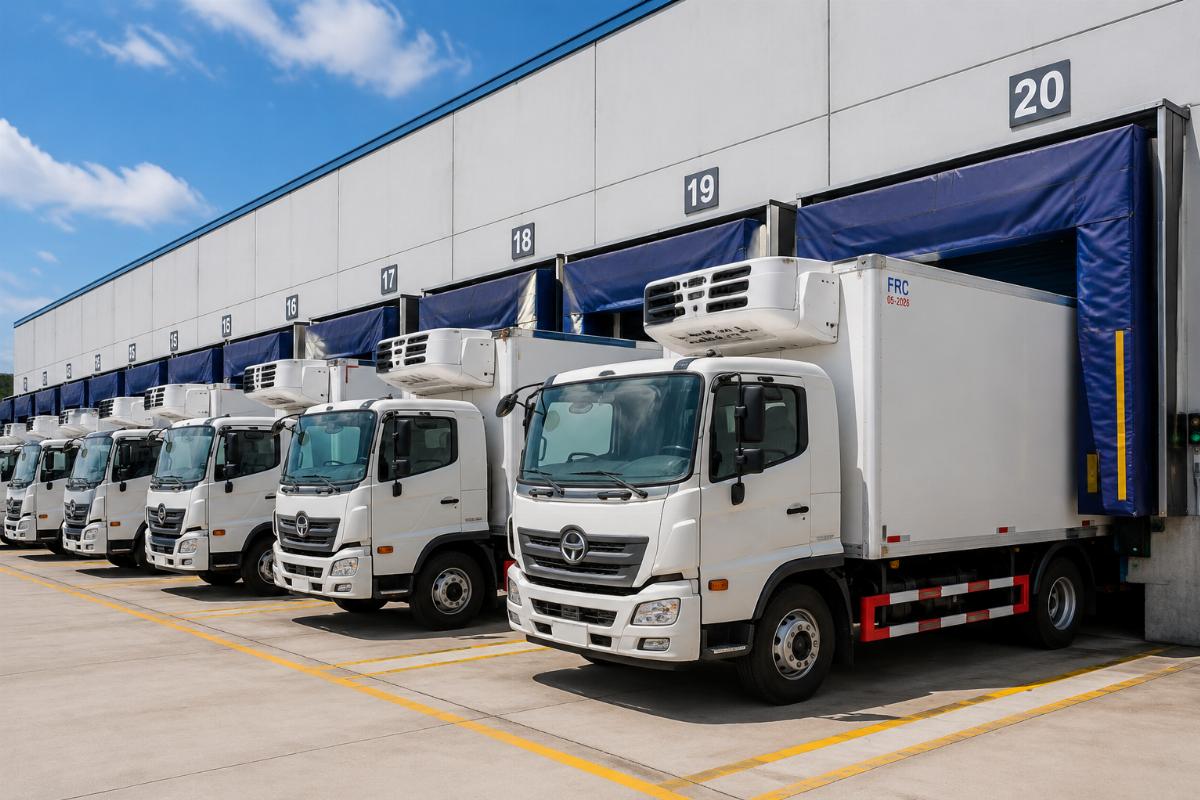
Below we break down the core selection criteria, common mistakes to avoid and proven steps to source reliable solutions for your operation.
What core performance metrics matter most for refrigerated truck insulated covers?
Three non-negotiable metrics directly tie to both cover service life and end cargo safety. While dozens of test parameters exist, focusing on thermal retention, UV resistance and tear strength will eliminate 90% of subpar options before you even request a quote. These metrics are tested consistently across industry standards for operation in -18°C to 45°C ambient conditions, the full range of temperatures most cold chain routes operate in globally.
| Evaluation Factor | Common Misaligned Practice | Industry Recommended Standard |
|---|---|---|
| Material Selection | Prioritizing material thickness over lamination structure | Verifying inner thermal layer lamination density [NEED_CITE: Inner thermal layer lamination density is the core driver of insulation performance, not PVC material thickness] |
| Tensile Performance | Selecting generic industrial tarpaulin tear resistance ratings | Testing to long-haul specific tensile and tear strength standards for 10,000km route use |
| Environmental Adaptability | Ignoring UV resistance testing for cross-region routes | Confirming 5+ year UV degradation resistance for outdoor storage and operation |
A North American logistics fleet that ordered 1,200 custom-fitted covers in 2024 found that switching to a properly lamination optimized 0.6mm cover delivered 18% lower cargo temperature fluctuation than their previous 0.8mm thick option, while reducing per-unit material cost by 12% and maintaining a 98% on-time delivery rate across the entire order batch.

- Thermal Retention Testing – Request test data for performance across the full -18°C to 45°C ambient temperature range to confirm consistency in extreme conditions.
- Tear Strength Verification – Require third party test reports for tensile performance aligned with 10,000km long-haul operation requirements.
- UV Resistance Validation – Ask for 3+ year outdoor exposure test results to avoid premature cracking and degradation.
Why do many cold chain fleets face unexpected cargo spoilage from subpar insulated covers?
Nearly all unplanned spoilage from insulated cover failure traces back to two root causes: mismatched custom sizing and low lamination density, not just material thickness. Most buyers focus only on material specs when sourcing, and overlook the sizing errors that create gaps along truck edges, allowing warm air infiltration that causes temperature swings even with high-grade material. The five most common mainstream refrigerated truck models all have unique edge and corner dimensions that generic one-size-fits-all covers fail to address.
| Root Cause of Spoilage | Common Costly Fix | Targeted Preventative Step |
|---|---|---|
| Sizing Mismatch | Ordering generic covers and cutting to fit on site | Requesting custom dimension matching for your exact truck model series |
| Batch Quality Variance | Accepting minor performance differences across production runs | Requiring zero quality deviation across all bulk order batches [NEED_CITE: Zero quality deviation across production batches is achievable for bulk PVC insulated cover orders] |
| Compliance Non-Conformity | Retroactively adjusting covers after local authority audits | Confirming full alignment with local cold storage operation compliance requirements upfront |
A Southeast Asian cold chain project that needed custom covers for 87 refrigerated trucks in 2023 was able to receive the full order in 14 days, with zero sizing errors and full alignment with local cold chain operation requirements, avoiding a projected 3-week delay that would have cost an estimated 120,000 USD in missed project revenue.
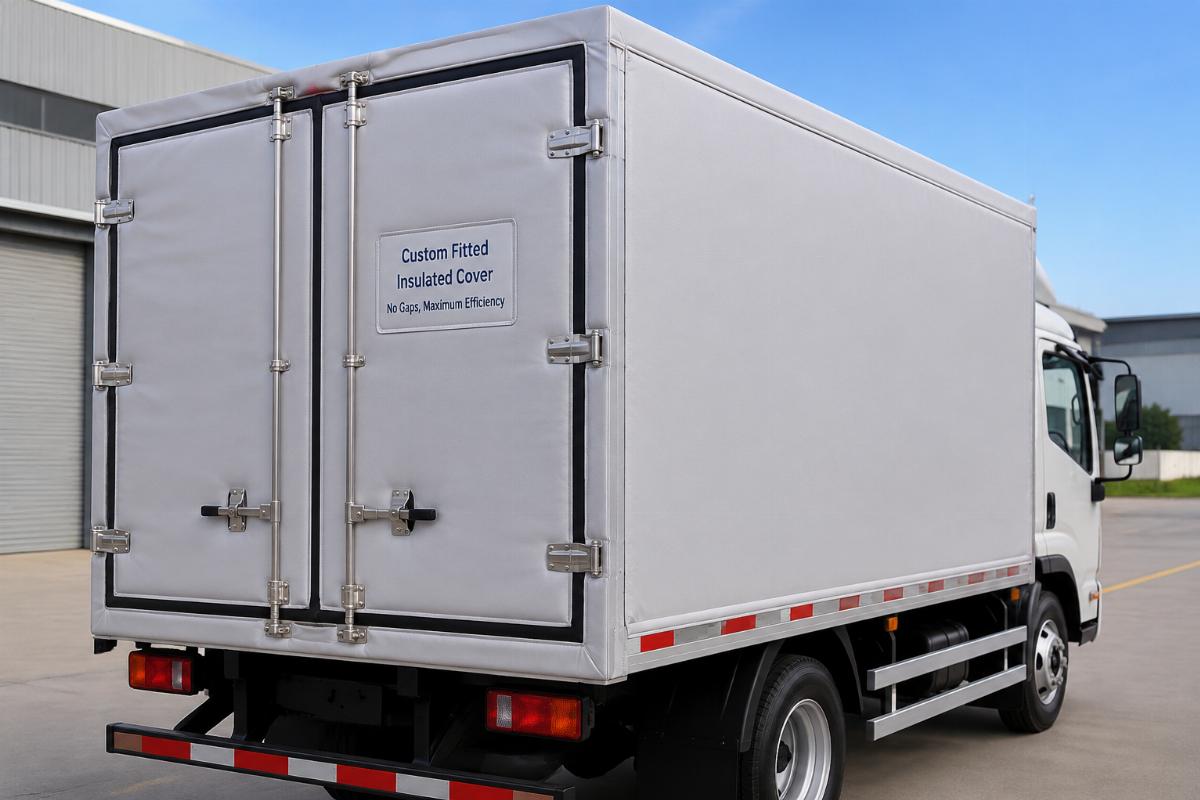
- Truck Model Mapping – Compile the exact make, model and year of every truck in your fleet before sending a request for quote.
- Batch Consistency Checks – Add a clause to all bulk orders requiring zero performance variance across all production batches.
- Local Compliance Confirmation – Share regional cold chain operation standards with suppliers before production begins.
How to select a reliable China manufacturer for bulk insulated cover orders?
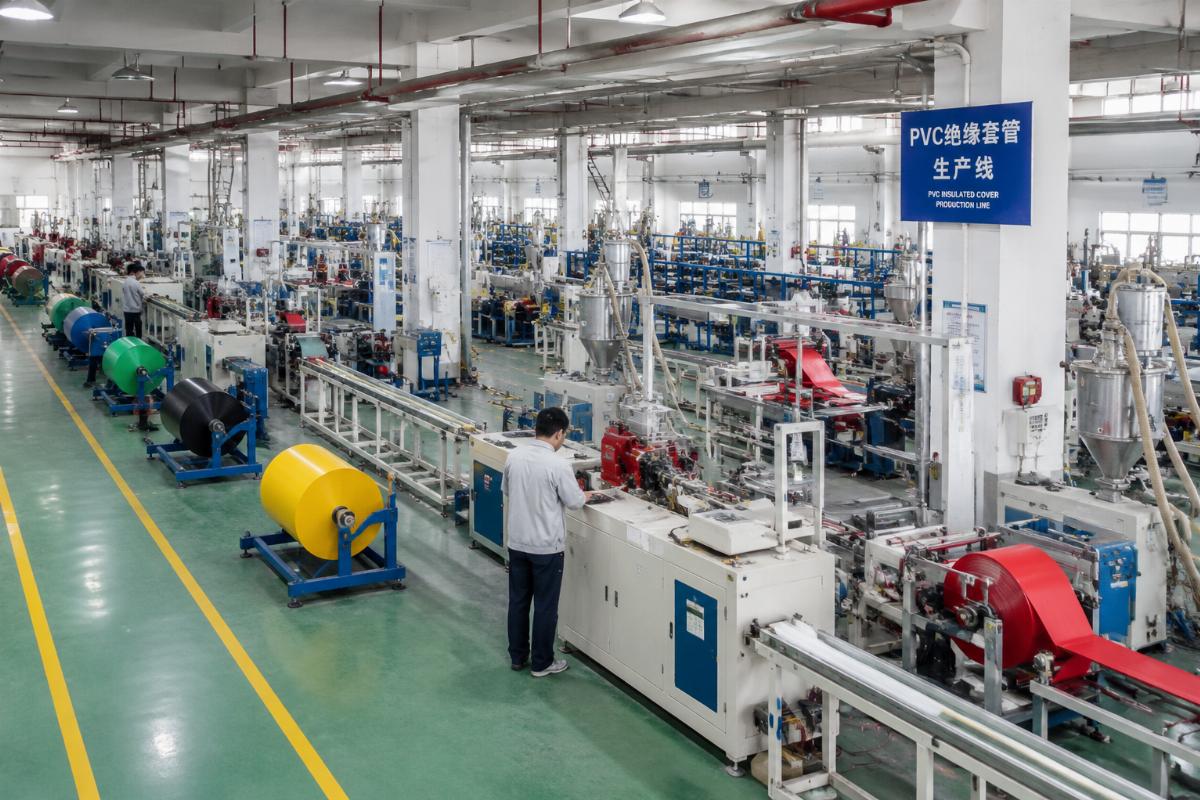
Prioritize suppliers with 20+ years of focused production experience, full system certifications and a proven track record serving the global cold chain sector. There are hundreds of PVC cover manufacturers in China, but only a small fraction have dedicated production lines and process controls tailored to the specific requirements of insulated cold chain covers. Qualified suppliers will also be able to deliver standard custom sizes in 7 days, far faster than the 30+ day lead time most buyers assume is required. When evaluating potential partners, look for references from orders in your region, as well as transparent quality control processes that include 100% pre-shipment inspection. Shandong Jinxiang Technology, with 30 years of production experience, 11 product categories, 3 dedicated production lines, ISO and CE certifications, 7-day sample turnaround and 20+ country export track record, sets a clear benchmark for what a qualified supplier should offer.
| Supplier Evaluation Criterion | Common Red Flag Practice | Qualified Supplier Standard |
|---|---|---|
| Production Experience | General tarpaulin manufacturers with no cold chain specific focus | 20+ years of focused cold chain insulated cover production experience |
| Delivery Lead Time | Quoting 30+ day lead times for all custom orders | 7 day delivery for standard custom sizes [NEED_CITE: Professional Chinese manufacturers with dedicated production lines deliver standard custom insulated cover sizes in 7 days] |
| Order Track Record | No verifiable references for bulk fleet or distributor orders | Proven references from bulk orders across 20+ global markets |
A European tarpaulin distributor that placed 3 separate bulk orders of 5,000 square meters of PVC insulated cover rolls over 12 months between 2023 and 2024 reported zero quality deviation across all three batches, with consistent material weight, lamination density and roll dimensions for every shipment received.
- Certification Verification – Confirm suppliers hold valid ISO and CE certifications aligned with your regional import requirements.
- Reference Request – Ask for 2-3 verifiable references from fleet or distributor clients in your operating region.
- Sample Testing – Order a test sample first to validate performance before committing to full bulk orders.
What hidden costs should you avoid when sourcing refrigerated truck covers?
The three biggest hidden costs of insulated cover sourcing—unplanned replacement, cargo loss and delayed delivery—almost always exceed the initial per-unit price difference between low-cost and premium suppliers. Many buyers default to the lowest quoted per-unit price, without calculating the full 3-year total cost of ownership that includes replacement frequency and total cargo loss across the lifetime of the product. A Middle Eastern fleet that switched from low-cost covers to durable, properly fitted alternatives found that they reduced annual maintenance and cargo loss costs by 210,000 USD within the first year of the switch, offsetting the 18% higher per-unit cost of the premium covers in less than 6 months.
| Hidden Cost Category | Common Underestimation | Full Cost Calculation Factor |
|---|---|---|
| Replacement Frequency | Assuming 5+ year service life for all covers | Calculating average replacement cycle based on your route length and usage |
| Cargo Loss |