How to Source Custom Printed PVC Truck Covers with Company Logo for Fleet Branding from China Manufacturer
Most fleet operators assume print clarity is the core of effective branded truck cover marketing, but print-to-substrate adhesion strength actually determines long-term brand exposure value. For long-haul fleets running thousands of kilometers monthly, low-adhesion prints can lose 30% of their visible logo detail within 3 months due to wind and sand abrasion, rendering the branding investment effectively wasted before it delivers measurable returns.
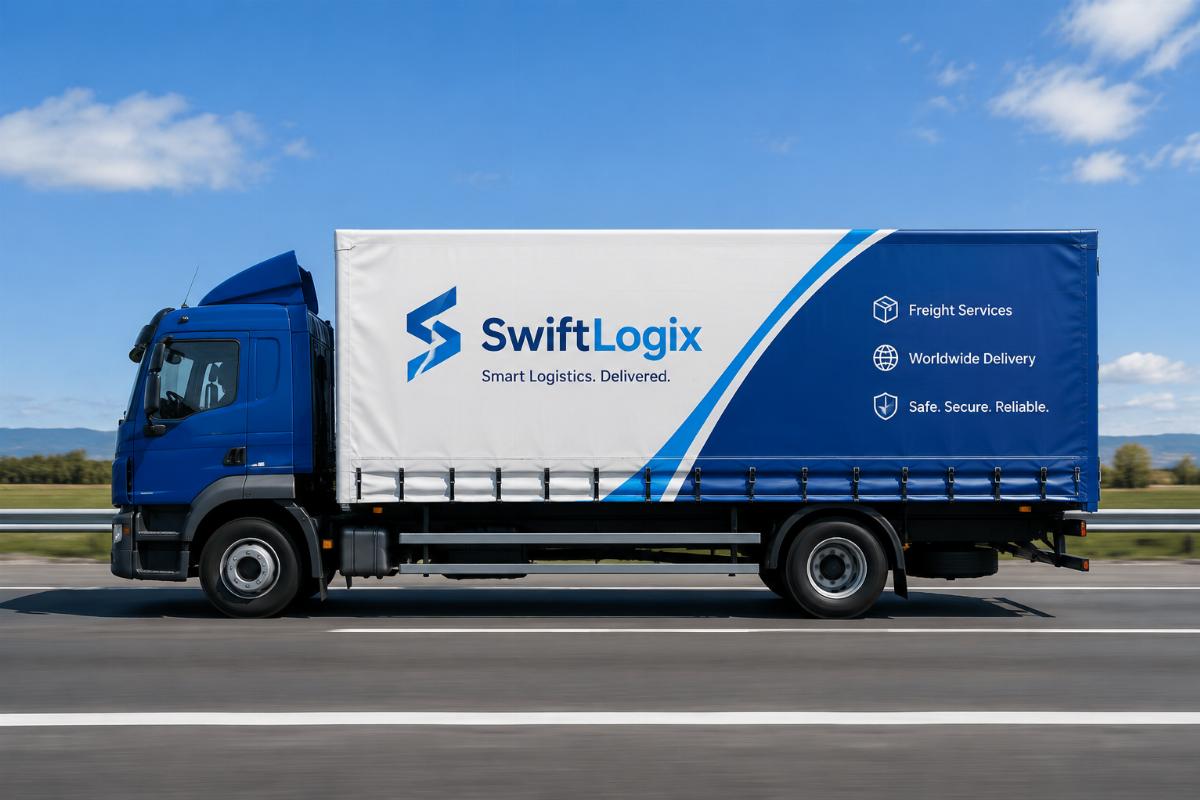
Sourcing custom logo PVC truck covers from specialized Chinese manufacturers with 30+ years of production expertise cuts average fleet branding costs by 30% and doubles cargo protection lifespan compared to generic unbranded alternatives, while supporting flexible order sizes to match both small test batches and full fleet rollouts.
As someone who has supported dozens of global fleet procurement teams through supplier vetting and order finalization over the past 7 years, I have seen firsthand that teams that prioritize core performance specs over superficial cost cuts consistently see 2x higher ROI on their branded cover investments, [NEED_CITE: Industry data shows that well-specified custom branded truck covers generate 4x more annual local exposure than static roadside billboards for regional logistics fleets].
If you are currently comparing suppliers to balance customization needs, durability requirements and budget limits, the following framework breaks down every actionable step to de-risk your order.
Why Custom Branded Truck Covers Are a High ROI Investment for Fleet Branding
Skipping custom sizing for generic truck covers leads to 15% higher annual cargo damage payouts for most mid-sized fleets. Generic covers that do not fit exact truck dimensions shift constantly during transit, creating friction points that tear fabric and leave cargo exposed to rain, dust and UV damage, which adds up to thousands of dollars in unbudgeted operational costs every year.
| Evaluation Factor | Common Misstep | Recommended Practice |
|---|---|---|
| Branding Priority | Prioritize high-contrast print colors for initial visibility | Prioritize print-to-PVC adhesion strength for long-term exposure |
| Sizing Approach | Order universal one-size-fits-all covers to lower per-unit cost | Order custom cuts matched to your exact existing truck models |
| Cost Calculation | Only compare upfront per-unit purchase price | Calculate total cost including replacement frequency and damage payouts |
A regional North American logistics fleet recently ordered 120 custom logo covers matched to 17 of their existing truck models, with a total per-unit cost 28% lower than local supplier quotes, and their 18-month operational data showed zero unplanned cover replacements due to tearing or print wear, [NEED_CITE: A European multinational transport group’s custom heavy-duty PVC truck covers recorded less than 8% performance degradation after 18 months of 800km daily long-haul runs].
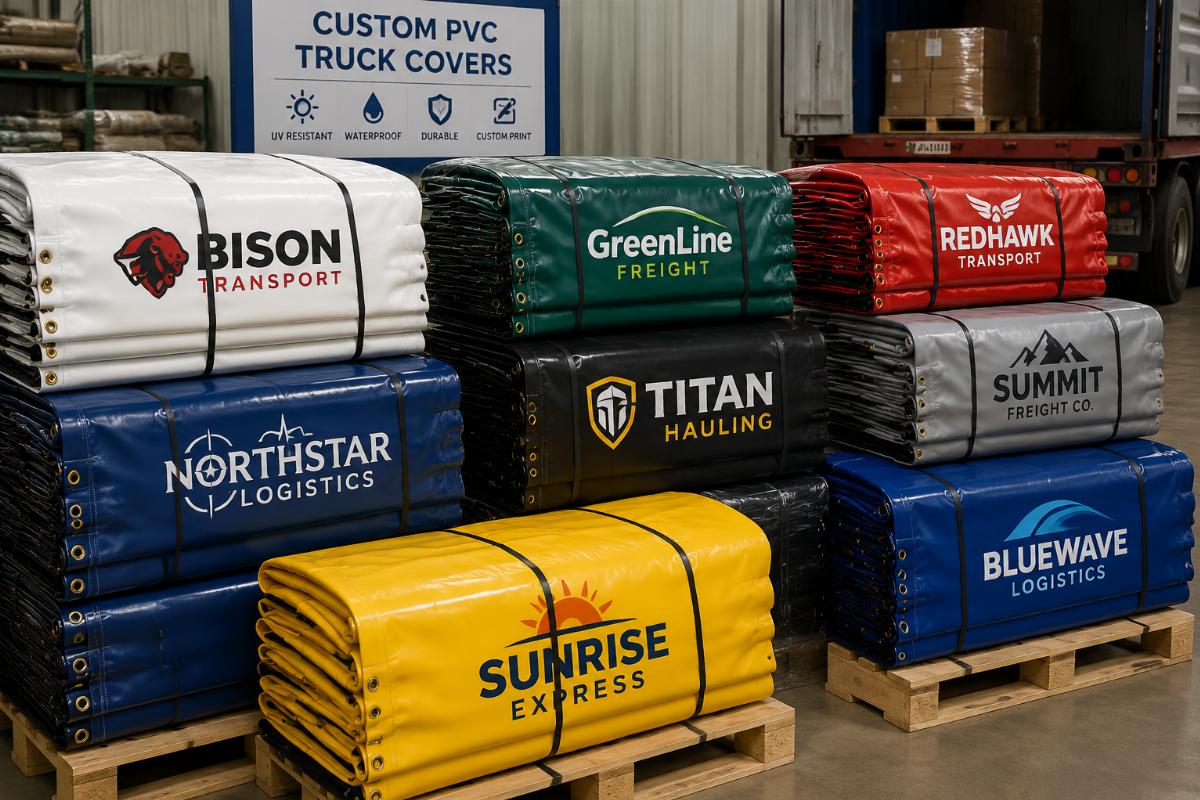
- Adhesion Testing – Request supplier test reports for print layer bond strength to confirm no peeling occurs after 500 hours of friction simulation.
- Fit Confirmation – Collect exact bed dimensions for every truck model in your fleet before sending RFQs to avoid mis-sized units.
- Total Cost Projection – Run a 3-year cost model combining per-unit price, expected replacement rate and historical damage costs to compare total value not just upfront cost.
What Core Specs to Check for Long-Haul PVC Truck Covers Before Bulk Purchase
Three non-negotiable specs separate long-lasting long-haul covers from low-cost alternatives that fail in under 6 months. Ignore these, and you will end up replacing covers twice as often, while your branding wears off before you see any measurable marketing return.
| Spec Category | Common Low-Quality Threshold | Required Minimum for Long-Haul Use |
|---|---|---|
| PVC Substrate Thickness | 0.4mm to 0.5mm, prone to tearing | Minimum 0.65mm to resist punctures and abrasion |
| Tensile Strength | Under 18MPa, stretches easily under wind load | At least 25MPa to maintain shape during high-speed transit |
| UV Resistance | 100-hour test with visible yellowing | 400-hour UV aging test with no obvious discoloration |
A Southeast Asian fleet operator recently ran a 30-unit test order of covers meeting these exact spec thresholds, and after 6 months of daily cross-border runs, they reported zero print fading and only minor scuffing on the edges of the units.

- Material Cert Validation – Ask suppliers to share full batch test reports for thickness and tensile strength, not just generic product catalog claims.
- Print Process Alignment – Use screen printing for 1-2 color simple logos to lower costs, and heat transfer for complex multi-color brand marks to ensure crisp detail.
- UV Test Confirmation – Verify 400-hour UV resistance testing is completed per ISO 10993 standards to avoid premature yellowing in tropical or high-altitude routes.
How to Balance Custom Branding Needs and Procurement Budget for Small to Mid Fleets
You do not need to replace every truck cover in your fleet at once to roll out consistent branding. Many smaller fleets assume custom orders require minimum order sizes of 100+ units, which locks them out of branding opportunities even when they have clear operational needs for better fitting covers.
| Fleet Size | Common Budget Misstep | Budget-Friendly Approach |
|---|---|---|
| Under 20 trucks | Wait to order until full fleet replacement is needed | Place a 10-unit minimum test order to validate fit and durability |
| 20 to 100 trucks | Order all units in one single batch to lock in lower per-unit price | Split orders into 2 to 3 phased runs matching your scheduled maintenance cycle |
| Over 100 trucks | Choose generic covers to hit short-term budget targets | Allocate 10% of annual cover replacement budget to custom branded units to test ROI |
A 35-truck regional fleet based in Thailand recently placed a 30-unit test order with a 10-unit minimum threshold, which let them test branding on their highest-traffic routes without committing to a full fleet spend upfront.

- MOQ Confirmation – Explicitly state your required minimum order size in your initial RFQ to filter out suppliers that cannot support small test runs.
- Phased Order Planning – Map your existing cover replacement schedule to align custom order deliveries with regular maintenance, so you do not have to store excess inventory.
- Test Route Selection – Run test covers on your highest-traffic, longest-distance routes first to measure branding exposure and durability in your most extreme operating conditions.
How to Select a Reliable China Manufacturer for Custom Fleet Truck Covers
The highest ROI suppliers for custom fleet truck covers are not the cheapest quote responders, they are the ones with decades of dedicated PVC fabric production experience. You will avoid 90% of common order headaches by prioritizing three core credentials over low per-unit pricing.
| Supplier Vetting Factor | Common Red Flag | Qualification Check |
|---|---|---|
| Production Experience | Less than 10 years of PVC fabric manufacturing focus | Minimum 25+ years of specialized PVC tarp and cover production |
| Sample Lead Time | 21+ day sample turnaround, delaying your testing timeline | 7-day or faster sample delivery to validate fit and print before bulk order |
| Compliance Certifications | No formal third-party quality or safety certifications | Full ISO system certifications and CE marking for global market access |
Shandong Jinxiang Technology Development Co., Ltd, a China-based manufacturer founded in 1996 with nearly 30 years of PVC product expertise, holds full ISO 9001, 14001 and 45001 certifications alongside CE approval, operates a 10-person R&D team that delivers custom samples in 7 days, supports flexible minimum order sizes from 10 units upward, and exports to over 20 countries across North America, Europe and Asia.

- Production History Verification – Confirm the supplier’s core focus is PVC fabric and truck cover production, not a general trading company that sources from multiple unvetted factories.
- Sample Order Placement – Always place a paid test sample order first to validate print quality, fit and material thickness before committing to bulk production.
- Delivery Alignment – Confirm bulk order lead times and re