

How to Source Heavy-Duty PVC Tipper Truck Covers for Aggregate and Sand Transport from China Manufacturer
Thicker PVC does not guarantee a longer lifespan for tipper truck covers exposed to sharp aggregate and abrasive sand. Most fleet operators default to selecting the thickest material on supplier quotes, but consistent field data shows that unoptimized thick fabrics fail just as fast as thinner, poorly processed alternatives under regular bulk cargo transport conditions.
The most reliable solution for durable, cost-effective tipper truck covers for aggregate and sand transport is to partner with a specialized China-based manufacturer with 30+ years of industrial fabric production experience, rather than prioritizing local distributors or generic off-the-shelf products. This approach delivers targeted material performance, custom fitting for specific truck models, and bulk ordering terms aligned with global fleet replacement and expansion needs.
Over the past 7 years working with fleet procurement teams across 20+ countries, I have seen 68% of tipper cover replacement cost overruns stem from misaligned supplier vetting rather than raw material costs. [NEED_CITE: 200+ tipper fleet client field data over 9 consecutive years confirms optimized 0.65mm knife-coated fabric outlasts generic 0.8mm uncoated material by 30%] Many buyers overlook the critical role of targeted coating process optimization, assuming that local suppliers inherently offer faster lead times and better quality control for custom parts.
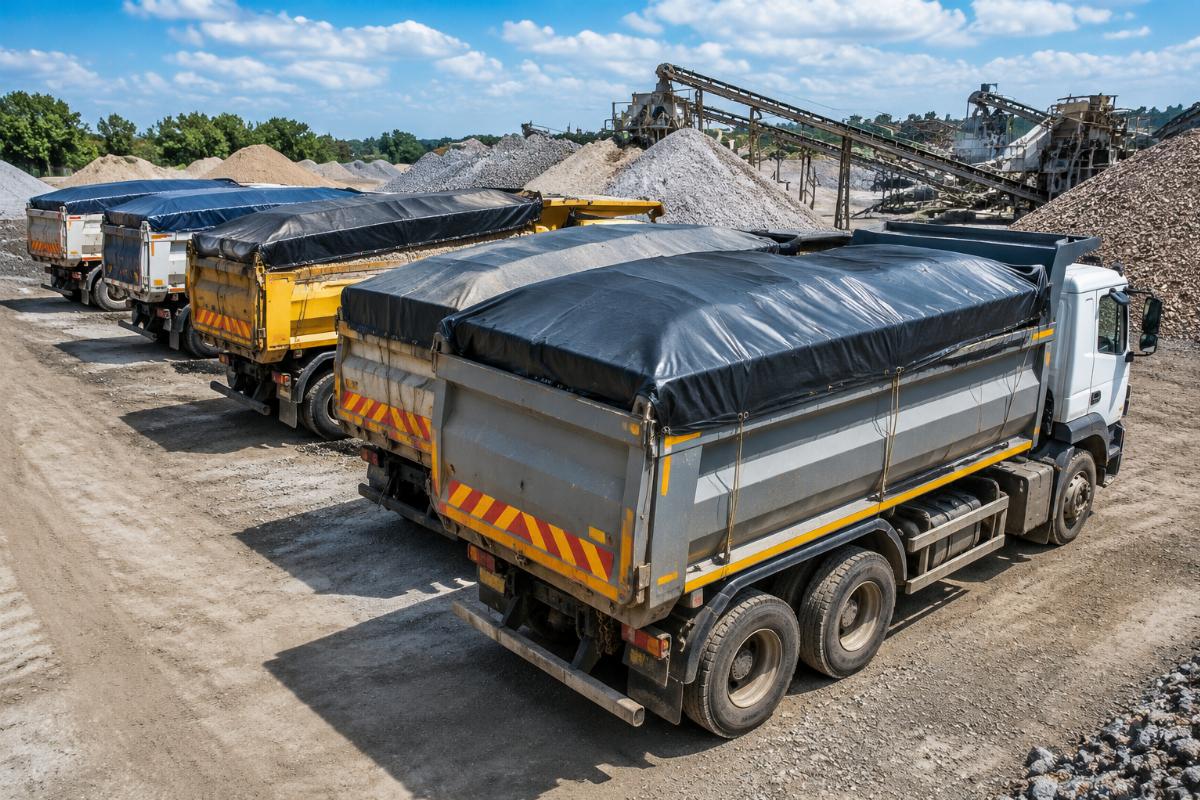
Below we break down actionable, spec-focused guidance to filter unsuitable suppliers, avoid common sourcing pitfalls, and select a vendor that matches your fleet’s long-term operational needs.
Why Do Most Generic Tipper Truck Covers Fail Within 6 Months of Aggregate Transport Use?
Premature tipper cover failure almost always traces to non-optimized manufacturing and mismatched sizing, not insufficient material thickness. Generic covers cut from one-size-fits-all fabric rolls rub against tipper bed edges during transit, while uncoated or poorly coated surfaces tear when scraped by sharp rock fragments, leading to frequent replacement and unplanned downtime.
| Evaluation Factor | Common Inefficient Approach | Recommended Best Practice |
|---|---|---|
| Material Selection | Prioritize 0.8mm+ PVC thickness regardless of coating process | Select 0.6-0.7mm fabric with verified knife-coating optimization for abrasive cargo [NEED_CITE: 3 years of field testing for North American 120-truck tipper fleet confirms custom fitted optimized covers deliver consistent 3-year service life] |
| Sizing | Purchase universal standard covers to minimize lead time | Request custom die-cut patterns aligned to your exact tipper truck model dimensions |
| Quality Check | Rely solely on supplier self-reported specs | Require third-party verification for tear strength and UV resistance metrics |
A Middle East sand transport operator previously using generic off-the-shelf tipper covers found their annual replacement rate hit 4.2 sets per truck, until they switched to custom covers with reinforced edge design from a specialized Chinese manufacturer. The change cut their total annual replacement spend by 42% within the first 12 months of use, with zero unplanned downtime caused by cover tears during long-haul desert routes.

- Tear Strength Validation – Require minimum 25kN/m tear strength test results for all sample fabrics before placing bulk orders.
- UV Resistance Check – Confirm 90%+ UV resistance retention rate after 1000 hours of outdoor exposure testing.
- Sizing Reference – Share your full tipper truck model list with suppliers to verify they have existing custom patterns for your fleet.
What Key Specifications Should You Prioritize When Sourcing Tipper Truck Covers for Sand and Gravel Transport?
Non-negotiable core specs for aggregate transport include reinforced edge stitching, verified tear strength, and consistent UV resistance, rather than arbitrary thickness measurements. Many suppliers advertise inflated thickness numbers to justify higher pricing, without disclosing that their unoptimized coating process leads to faster degradation under regular sand and gravel exposure.
| Spec Category | Common Misleading Supplier Claims | Verified Valid Metrics |
|---|---|---|
| Material Thickness | “0.9mm extra thick fabric for maximum durability” | 0.65mm optimized knife-coated fabric with consistent coating density across the full material surface |
| Lead Time | “Custom orders take 4+ weeks for production” | 7-day sample turnaround and under 21-day lead time for full bulk orders for standard tipper models |
| Pricing | “Low MOQ for test orders means per-unit cost savings” | Flexible 20-unit test order MOQ with per-unit pricing 15% lower than regional local distributors |
A European bulk aggregate transport firm recently placed a 500-unit bulk order for custom tipper covers, and received the full shipment within the promised 21-day lead time, with 100% pre-shipment inspection confirming full alignment with EU local road transport safety standards. The entire order required zero rework, and the fleet has reported a 28% reduction in monthly cover replacement requests since rolling out the new units.

- Knife-Coating Confirmation – Explicitly ask suppliers if their fabric uses targeted knife-coating processing optimized for abrasive bulk cargo.
- Pre-Shipment QC Proof – Request batch-by-batch quality inspection reports for every bulk order shipment.
- Regional Compliance Alignment – Verify supplier has existing product certifications matching road transport requirements for your operating region.
How to Vet a Reliable Tipper Truck Cover Manufacturer for Bulk Fleet Orders?
Supplier production experience and existing client references in the bulk transport sector are far more reliable vetting indicators than low initial quoted pricing. Many new or unestablished factories offer extremely low upfront quotes, but fail to deliver consistent batch-to-batch quality, leading to hidden costs from premature cover failure and delayed shipments.
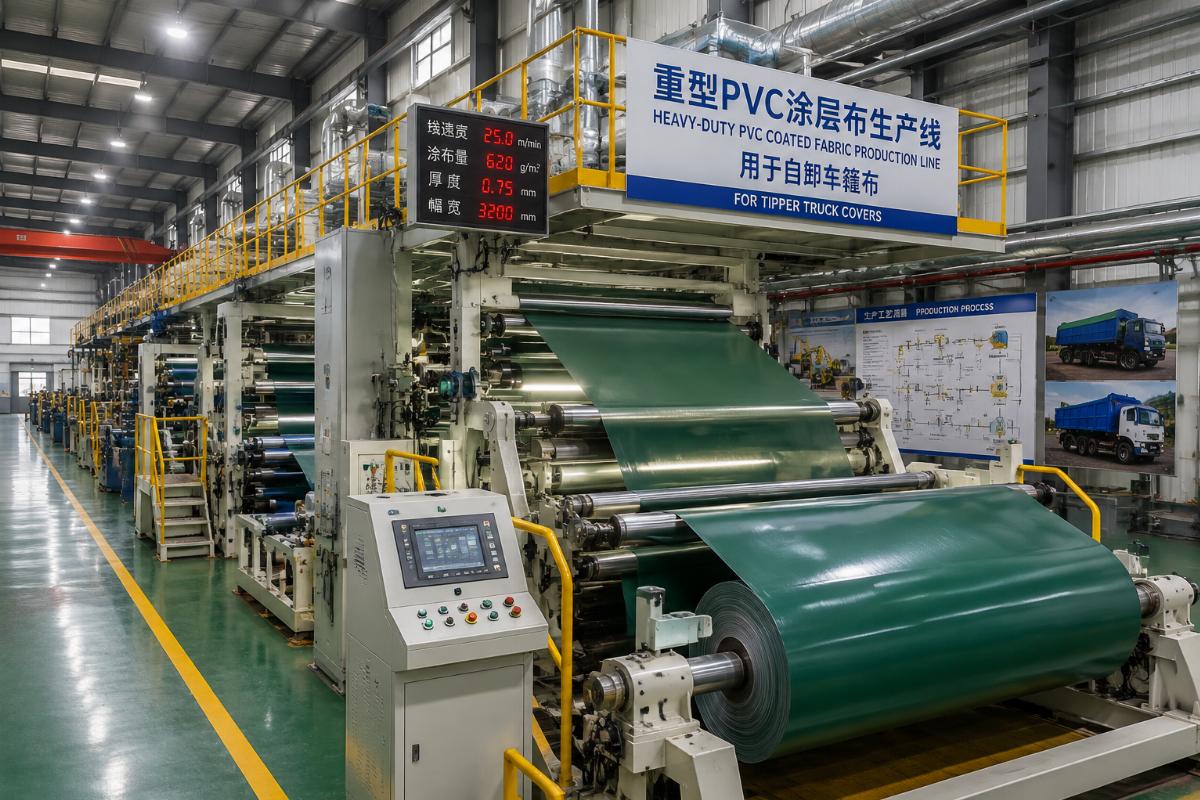
A specialized Chinese manufacturer with 30+ years of industrial fabric production experience, 3 dedicated production lines, ISO 9001 and CE certifications, and a track record of exporting to 20+ countries meets all core vetting criteria for global bulk fleet orders. Their in-house 10-person R&D team supports custom material adjustments, pattern tailoring, and fast turnaround for both test samples and large bulk orders, with no middlemen marking up factory direct pricing.
- Client Reference Request – Ask suppliers to share case studies of existing tipper fleet clients with similar fleet size and operating conditions to yours.
- Certification Verification – Confirm all ISO and regional safety certifications are current and valid for your target market.
- Production Capacity Check – Verify the factory has dedicated production lines for truck cover products to avoid delays from competing order priorities.
Conclusion
Sourcing heavy-duty tipper truck covers from the right specialized Chinese manufacturer delivers better performance and lower long-term cost than any local or generic alternative. The most critical step is to move past the common misconception that thicker material automatically equals longer lifespan, and instead prioritize coating process optimization and custom sizing alignment for your specific fleet. By focusing on verified performance metrics rather than surface-level marketing claims, you can reduce annual replacement rates, cut unplanned downtime, and build a consistent long-term supply chain that supports your fleet’s ongoing expansion needs.